

Operation Process and Working Principle of Pneumatic Conveying for Dry Ash Materials
HeadPowder, a leading engineering company based in Shandong, China, specializes in the design, manufacturing, and installation of advanced pneumatic conveying systems tailored for dry ash materials. These systems are essential for efficient material handling in various industrial applications, ensuring reliable and safe transportation of bulk dry materials.
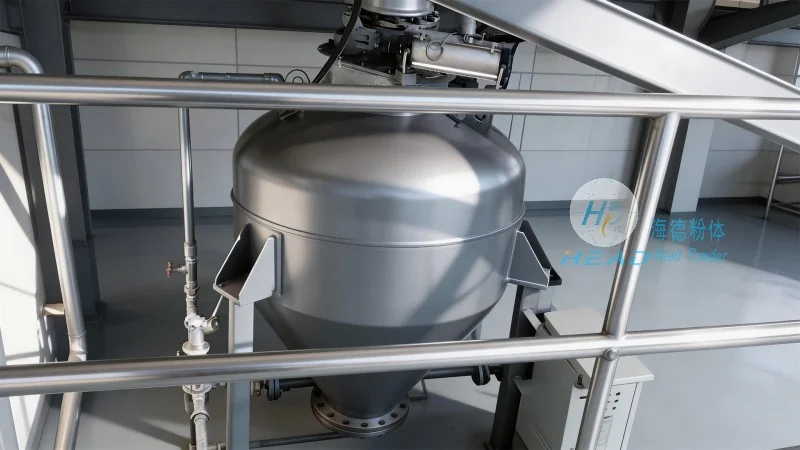
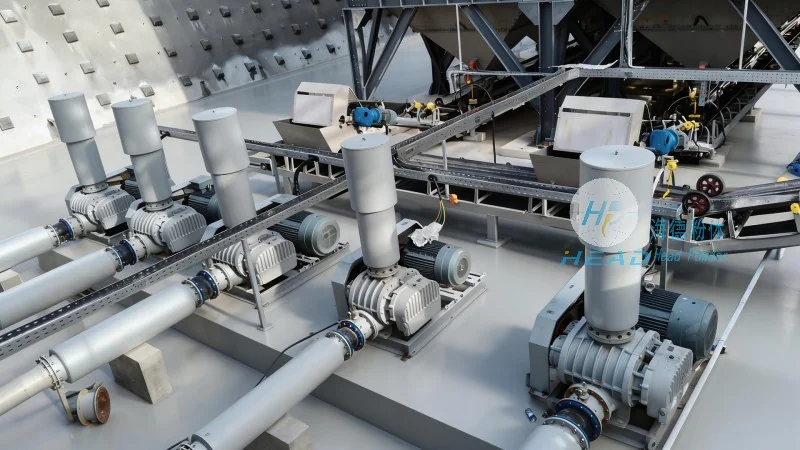
Operation Process of Pneumatic Conveying for Dry Ash Materials
The operation of a pneumatic conveying system for dry ash materials involves several key steps. First, the dry ash is fed into the system through a hopper or feeder. Then, the material is introduced into a pipeline where a high-velocity air stream is generated by a blower or fan. This air stream carries the dry ash particles through the pipeline to the destination point, such as a storage silo or processing unit. The system typically includes components like a rotary valve, a filter, and a pressure regulator to ensure smooth and efficient operation. The entire process is controlled by a programmable logic controller (PLC) that monitors and adjusts the air pressure, flow rate, and material feed rate to maintain optimal performance.
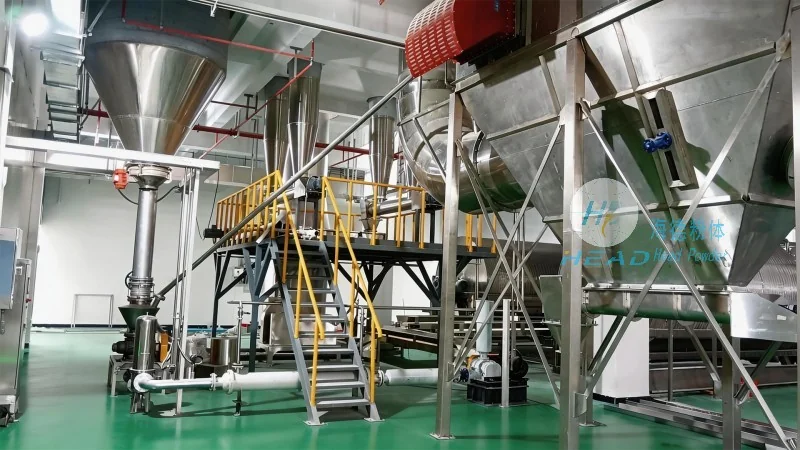
Working Principle of Pneumatic Conveying for Dry Ash Materials
The working principle of pneumatic conveying for dry ash materials is based on the use of air as the conveying medium. The system utilizes a positive pressure or negative pressure (or a combination of both) to move the dry ash particles. In positive pressure systems, the air is blown into the pipeline, creating a pressure higher than the ambient air, which pushes the material forward. In negative pressure systems, the air is drawn out of the pipeline, creating a vacuum that pulls the material. The choice between positive and negative pressure depends on the specific application, material characteristics, and system layout. The key components include a blower, a pipeline network, a receiver, and a control system. The blower provides the necessary air pressure or vacuum, while the pipeline transports the material. The receiver collects the dry ash at the end of the pipeline, and the control system ensures the system operates within safe and efficient parameters.
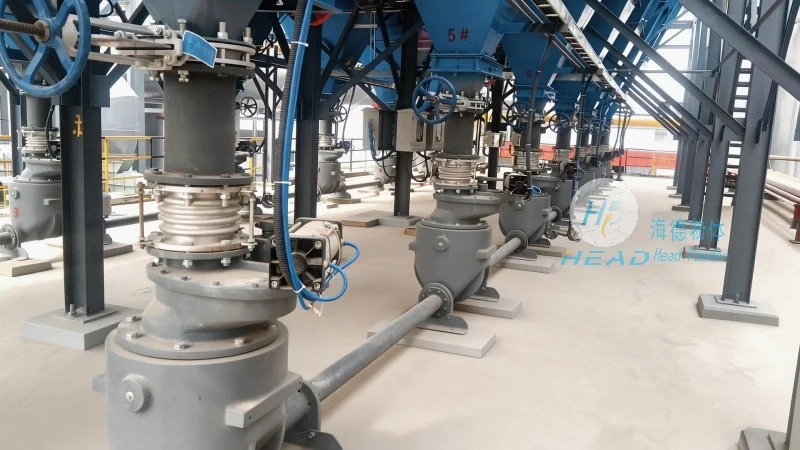
About HeadPowder Engineering Co., Ltd.
HeadPowder Engineering Co., Ltd. is a professional manufacturer and supplier of pneumatic conveying systems for dry ash materials. With a strong presence in Shandong, China, the company has built a reputation for delivering high-quality, reliable, and cost-effective solutions to clients worldwide. Our team of experienced engineers and technicians works closely with clients to understand their specific material handling needs and design customized systems that meet their requirements. We use advanced technology and rigorous quality control processes to ensure that our products meet international standards and provide long-term performance and durability.