

Operation Process and Working Principle of PP Material Pneumatic Conveying
PP material, or polypropylene, is a widely used thermoplastic polymer in various industrial applications. Pneumatic conveying systems offer an efficient method for transporting PP material from one location to another, ensuring smooth and reliable material handling. This article explores the operation process and working principle of PP material pneumatic conveying, highlighting key components and the overall workflow.
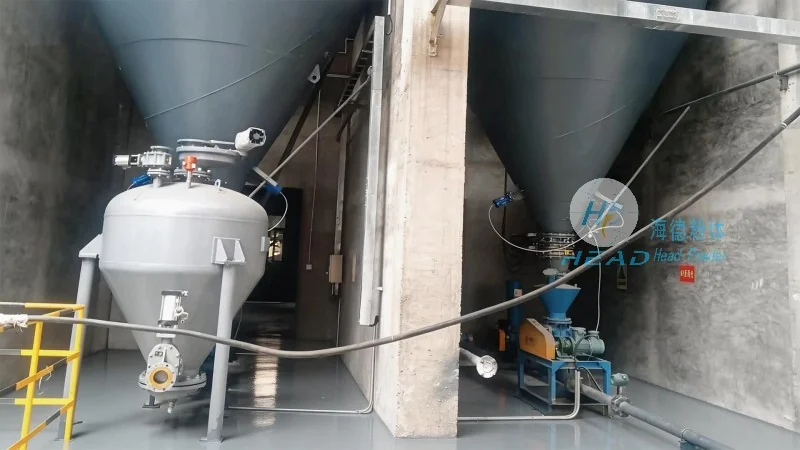
Overview of Pneumatic Conveying Systems for PP Material
Pneumatic conveying systems utilize air or gas to transport bulk materials like PP powder or granules through a pipeline network. These systems are particularly advantageous for PP material due to their ability to handle fine particles and prevent contamination. The system typically consists of a hopper, a conveyor line, a control unit, and a dust collection system. Each component plays a crucial role in the efficient operation of the conveying process.
Working Principle of PP Material Pneumatic Conveying
The working principle of PP material pneumatic conveying involves creating a pressure differential between the inlet and outlet of the conveying line. By introducing compressed air into the system, the material is lifted and propelled through the pipeline. The air flow generates sufficient velocity to overcome the gravitational force and friction within the system, ensuring the material moves smoothly. The pressure and air volume are carefully controlled to maintain optimal conveying efficiency and prevent material degradation.
Key Components and Their Functions in PP Material Pneumatic Conveying
Several critical components are integral to the operation of PP material pneumatic conveying systems. The hopper serves as the storage and feeding unit, where PP material is loaded and fed into the conveyor line. The conveyor line, often made of stainless steel or other corrosion-resistant materials, is designed to withstand the abrasive nature of PP particles. The control unit manages the air pressure, flow rate, and material feed rate, ensuring precise operation. The dust collection system, including filters and cyclones, captures any airborne particles, maintaining a clean and safe working environment.
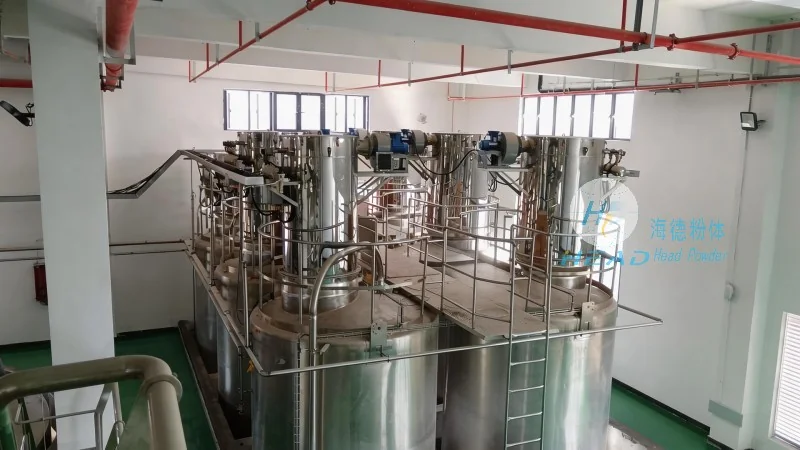
Operation Process of PP Material Pneumatic Conveying
The operation process of PP material pneumatic conveying begins with loading the PP material into the hopper. The material is then fed into the conveyor line through a feeder mechanism, which regulates the flow rate. Compressed air is introduced at the inlet of the conveyor line, creating a pressure differential that lifts the material. The material travels through the pipeline, often with bends and changes in direction, and is discharged at the destination point. The system continuously monitors pressure and flow parameters to adjust air volume and material feed as needed, ensuring consistent performance.
Advantages of Pneumatic Conveying for PP Material Handling
Pneumatic conveying systems offer several advantages for PP material handling. They provide a closed system, minimizing dust and contamination, which is essential for maintaining product quality. The system is also flexible, allowing for changes in material flow direction and destination. Additionally, pneumatic conveying can handle fine PP particles that may be difficult to transport using traditional methods, such as belt conveyors. The efficiency and reliability of these systems make them a preferred choice for many industrial applications.
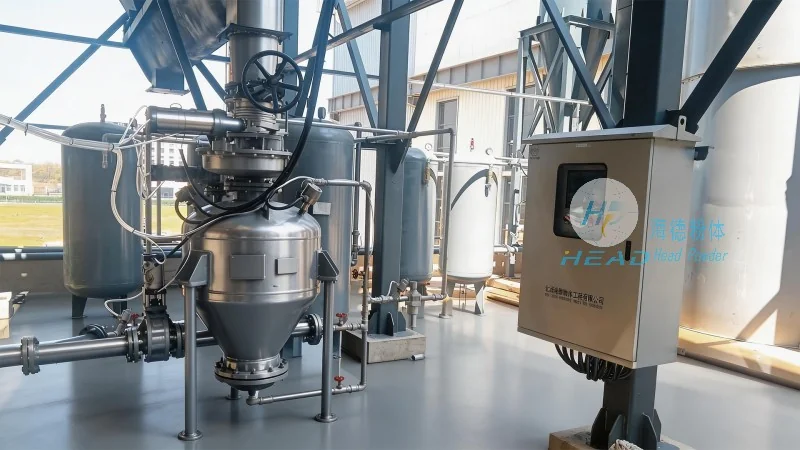
Applications of PP Material Pneumatic Conveying
PP material pneumatic conveying is widely used in various industries, including plastics manufacturing, food processing, and pharmaceuticals. In plastics manufacturing, the system is used to transport PP granules from storage to processing equipment, ensuring a continuous supply of material. In food processing, the system handles PP-based packaging materials, maintaining hygiene and preventing contamination. The versatility of pneumatic conveying makes it suitable for a range of applications where efficient and clean material transport is required.
Maintenance and Best Practices for PP Material Pneumatic Conveying Systems
To ensure the longevity and efficiency of PP material pneumatic conveying systems, regular maintenance is essential. This includes cleaning the hopper and conveyor line to prevent material buildup, inspecting the air compressor and filters for wear and tear, and checking the control unit for proper operation. Best practices also involve monitoring the system's performance parameters, such as pressure and flow, to identify any issues early. Proper maintenance helps to minimize downtime and maximize the lifespan of the equipment.
About Shandong HeadPowder Engineering Co., Ltd.
Shandong HeadPowder Engineering Co., Ltd., commonly known as headpowder, is a leading provider of pneumatic conveying solutions for various industrial materials, including PP. With a focus on innovation and quality, the company designs and manufactures customized pneumatic conveying systems tailored to the specific needs of its clients. Headpowder's expertise in material handling and system design ensures that its products meet the highest standards of efficiency and reliability. The company's headquarters is located in Shandong, China, where it serves clients globally with its advanced technology and customer-centric approach.