

Operation Process and Working Principle of Bulk Bag Unloading Material Pneumatic Conveying
Bulk bag unloading and pneumatic conveying systems are critical components in modern material handling and processing industries. These systems are designed to efficiently transfer bulk materials from large flexible containers, such as ton bags or super sacks, into processing equipment, storage silos, or other destinations. The process involves several key steps that work in tandem to ensure smooth, reliable material transfer while maintaining safety and operational efficiency.
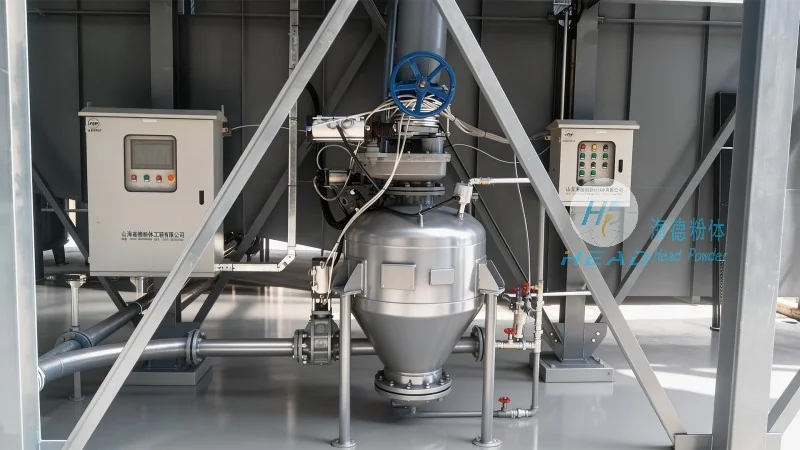
Key Components and Their Roles
The effectiveness of a bulk bag unloading system depends on the integration of multiple components, each with a specific function. At the core of the system is the bulk bag itself, typically made of durable fabric, which holds the material. The unloading process begins with the bag being positioned over a receiving hopper or container. A discharge spout or valve is then opened to allow the material to flow out. Simultaneously, a pneumatic conveying system, which may use positive or negative pressure, is activated to draw the material from the bag and transport it to the target location.
Operation Process: Step-by-Step Breakdown
The operation of a bulk bag unloading pneumatic conveying system can be broken down into distinct phases. First, the bulk bag is securely placed on a discharge frame or stand, ensuring it is stable and properly aligned. Next, the discharge valve is opened, allowing the material to start flowing out of the bag. At the same time, the conveying system is initiated. In a positive pressure system, air is blown into the bag to push the material out, while in a negative pressure system, air is drawn from the bag to pull the material through the conveying line. The material travels through the pipeline, often with the assistance of cyclones or filters to separate any dust or fine particles, and is then deposited into the receiving vessel.
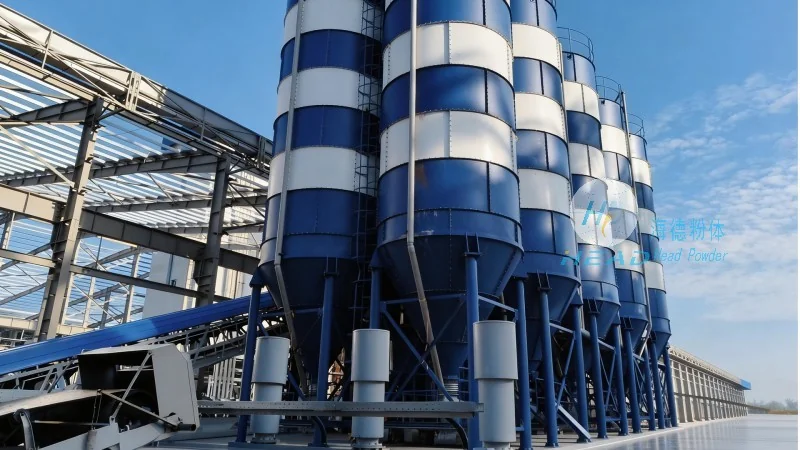
Working Principle: How Pneumatic Conveying Works
The working principle of pneumatic conveying relies on the movement of air to transport solid materials. In positive pressure systems, high-pressure air is introduced into the conveying line, creating a stream that propels the material forward. The air velocity must be sufficient to keep the material suspended and prevent it from settling or clogging the line. In negative pressure systems, a vacuum is created at the receiving end, which pulls the material through the line. The choice between positive and negative pressure depends on factors such as material characteristics, system layout, and operational requirements.
Advantages of Bulk Bag Unloading Pneumatic Conveying
Implementing a bulk bag unloading pneumatic conveying system offers several advantages over traditional methods like manual unloading or mechanical conveying. These systems enhance safety by reducing the need for manual handling of heavy bags and potentially hazardous materials. They also improve efficiency by automating the unloading process, reducing labor costs and minimizing downtime. Additionally, pneumatic conveying can handle a wide range of materials, from fine powders to bulk solids, with minimal product degradation. The enclosed system helps maintain material integrity and prevents contamination, which is crucial for industries like pharmaceuticals, food processing, and chemical manufacturing.
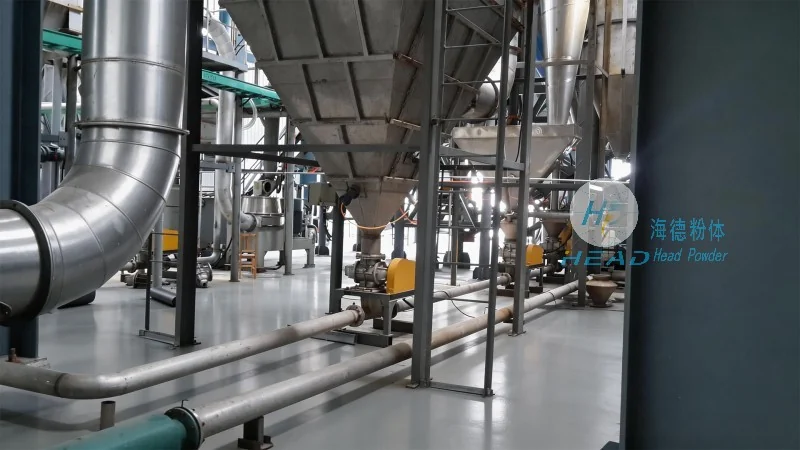
Applications in Various Industries
Bulk bag unloading pneumatic conveying systems are widely used across multiple industries due to their versatility and efficiency. In the chemical industry, they are used to handle raw materials and finished products, ensuring safe and reliable transfer. The food and beverage industry benefits from these systems as they maintain sanitary conditions and prevent cross-contamination. In the pharmaceutical sector, the enclosed and controlled nature of the process is essential for meeting regulatory standards. Other applications include the handling of agricultural products, minerals, and construction materials, where large volumes of bulk materials need to be transferred efficiently.
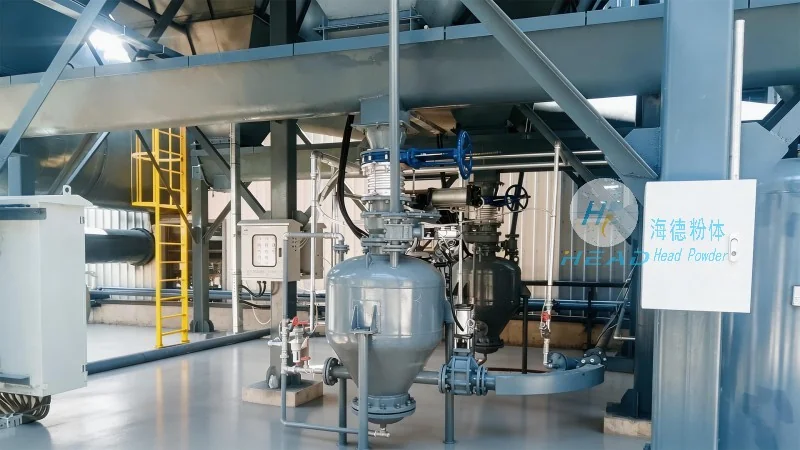
Customization and Integration with Existing Systems
Shandong HeadPowder Engineering Co., Ltd. specializes in designing and manufacturing customized bulk bag unloading and pneumatic conveying systems tailored to specific customer needs. The company, known as headpowder, offers solutions that integrate seamlessly with existing processing lines, ensuring minimal disruption to operations. Customization options include different bag sizes, material handling capacities, and conveying distances. The systems can be equipped with advanced controls, such as PLCs, to optimize performance and provide real-time monitoring. This level of customization ensures that the system meets the unique requirements of each application, whether it's for a small-scale operation or a large industrial facility.
Maintenance and Operational Considerations
Proper maintenance is essential to ensure the long-term reliability and efficiency of bulk bag unloading pneumatic conveying systems. Regular inspection of components like discharge valves, filters, and conveying lines is necessary to prevent clogs and ensure smooth operation. Cleaning procedures should be followed to remove any residual material and prevent buildup. The system should also be checked for air leaks, as even small leaks can affect performance and energy efficiency. By adhering to a regular maintenance schedule, users can extend the lifespan of the equipment and reduce the risk of unexpected downtime.