

Operation Process and Working Principle of Automatic Tonne Bag Feeding Material Pneumatic Conveying
Shandong HeadPowder Engineering Co., Ltd., commonly known as headpowder, is a professional manufacturer specializing in the design, development, and production of pneumatic conveying systems. The company is headquartered in Shandong, China, and has established a strong reputation in the industry for its innovative solutions tailored to the needs of various material handling applications.
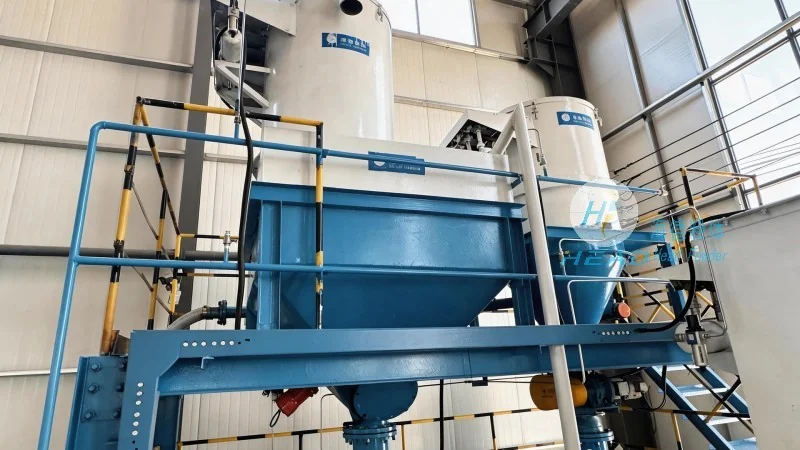
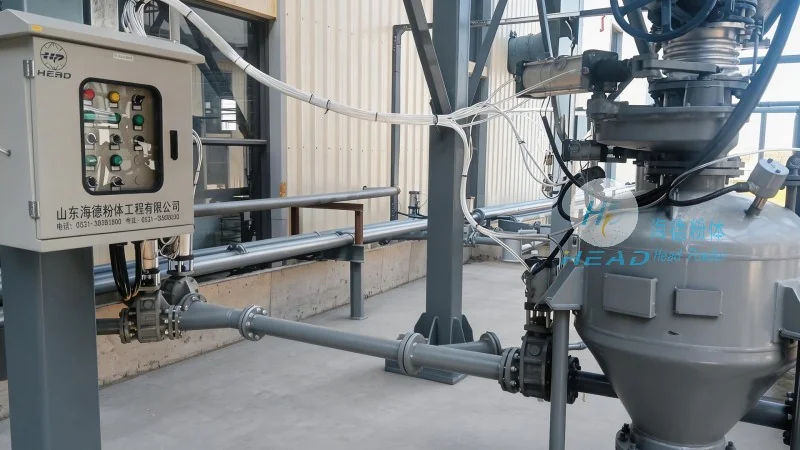
Introduction to Automatic Tonne Bag Feeding Pneumatic Conveying Systems
Automatic tonne bag feeding material pneumatic conveying systems represent a sophisticated approach to handling bulk materials efficiently and safely. These systems are engineered to automate the process of transferring materials from bulk bags (tonne bags) into processing equipment, eliminating the need for manual handling and reducing the risk of dust exposure and material contamination. The core of such systems lies in their ability to integrate seamlessly with existing production lines, enhancing overall operational efficiency and product quality.
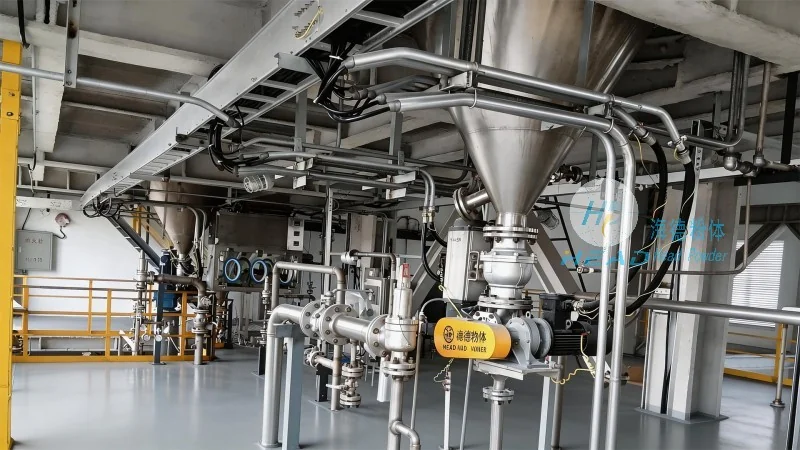
Operation Process of the Pneumatic Conveying System
The operation of an automatic tonne bag feeding pneumatic conveying system typically involves several key steps. First, the bulk bag is securely placed on a dedicated feeding platform or hopper, which is designed to accommodate the bag's dimensions and weight. The platform may include a support frame and a discharge spout or valve that connects to the conveying pipeline. Next, the system's control panel is activated, initiating the feeding sequence. The control system sends a signal to the vacuum pump or air compressor, which then generates the necessary pressure or vacuum to start material transfer. As the pressure or vacuum is applied, the material inside the bag is drawn into the hopper through the discharge spout. The material then falls into the hopper, where it is further conveyed through the pipeline to the processing equipment. The system may include a bag emptying sensor, which detects when the bag is fully emptied and triggers an alarm or signal to the operator. This sensor helps in managing inventory and ensuring that the system only operates with full bags, optimizing material usage and reducing waste. The entire process is automated, with the PLC or control system managing the timing and flow rate to match the requirements of the downstream process. This automation minimizes human intervention, reduces the risk of accidents, and ensures consistent material delivery, which is crucial for maintaining product quality and production efficiency.
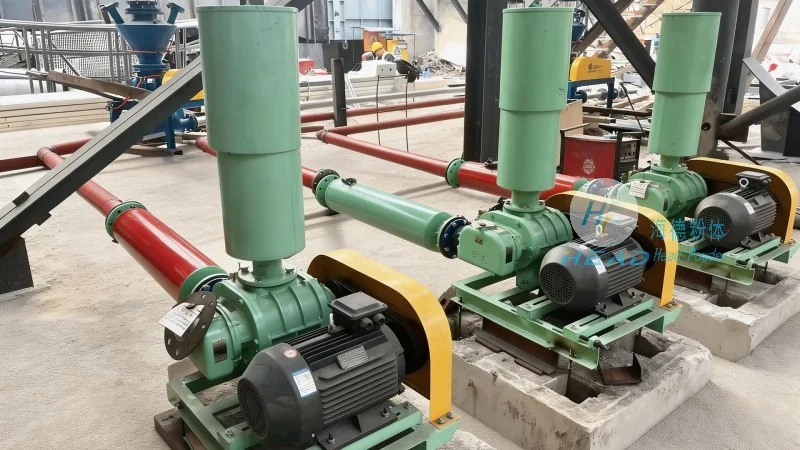
Working Principle of the Pneumatic Conveying System
The working principle of a pneumatic conveying system is based on the fundamental physics of fluid dynamics and particle transport. In a pressure system, the conveying line is pressurized with air, creating a pressure higher than the ambient environment. This pressure differential forces the material particles to move through the pipeline, as the air acts as a carrier medium. The material is typically suspended in the air stream, with the air velocity sufficient to overcome the gravitational and frictional forces acting on the particles. The system's design includes a hopper or feeder that meters the material into the pipeline at a controlled rate, ensuring a stable flow. In a vacuum system, the opposite occurs: a vacuum pump creates a low-pressure zone in the conveying line, drawing material from the source towards the vacuum. The material is again suspended in the air stream, with the vacuum maintaining the flow. The choice between pressure and vacuum systems depends on various factors, including the material's density, moisture content, and abrasiveness, as well as the distance and height of the conveying line. For example, pressure systems are often preferred for short-distance, high-volume conveying, while vacuum systems are suitable for longer distances or when handling fine powders that may be prone to clogging. The system's components, such as the hopper, feeder, and pipeline, are carefully selected to match the material's characteristics and the conveying requirements. The control system plays a critical role in regulating the pressure or vacuum levels, adjusting the air flow rate, and monitoring the material level in the hopper. This real-time monitoring and control ensure that the system operates within optimal parameters, minimizing energy consumption and maximizing material throughput. The working principle thus combines mechanical, pneumatic, and control technologies to achieve efficient and reliable material transport.