

The Operation Process and Working Principle of Perlite Powder Pneumatic Conveying Lines
Shandong HeadPowder Engineering Co., Ltd., commonly known as headpowder, specializes in the design, manufacturing, and installation of advanced pneumatic conveying systems for various powder materials. With a focus on efficiency and reliability, the company has developed a comprehensive solution for perlite powder handling, which is crucial in industries such as construction, insulation, and chemical processing. This article provides an in-depth look at the operation process and working principle of a perlite powder pneumatic conveying line, highlighting the technical aspects and practical applications.
Introduction to Perlite Powder Pneumatic Conveying
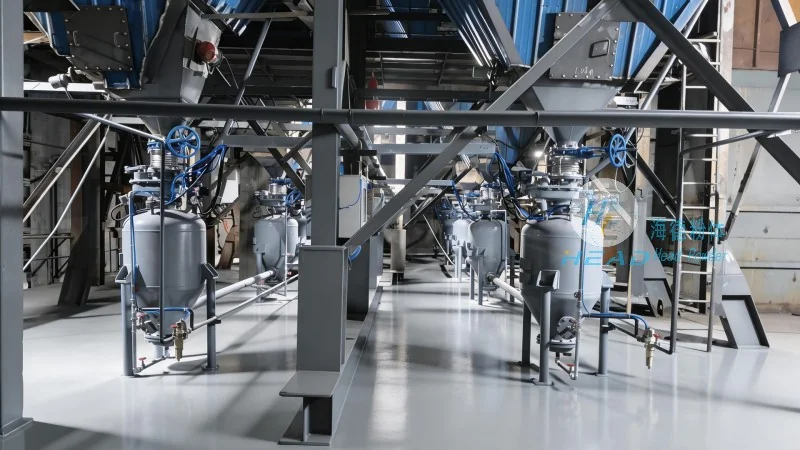
Perlite powder, a lightweight, volcanic glass material, is widely used as an insulating and filtering agent. The efficient transportation of perlite powder from storage to processing equipment is essential for maintaining production continuity and minimizing material loss. Pneumatic conveying systems offer a non-contact, low-cost method for moving powders, making them ideal for perlite powder applications. The system typically consists of a hopper, a blower, a pipeline network, and a receiver, all working in tandem to ensure smooth material transfer.
Key Components of the Pneumatic Conveying Line
The perlite powder pneumatic conveying line is composed of several critical components that work together to achieve effective material transport. The primary components include:
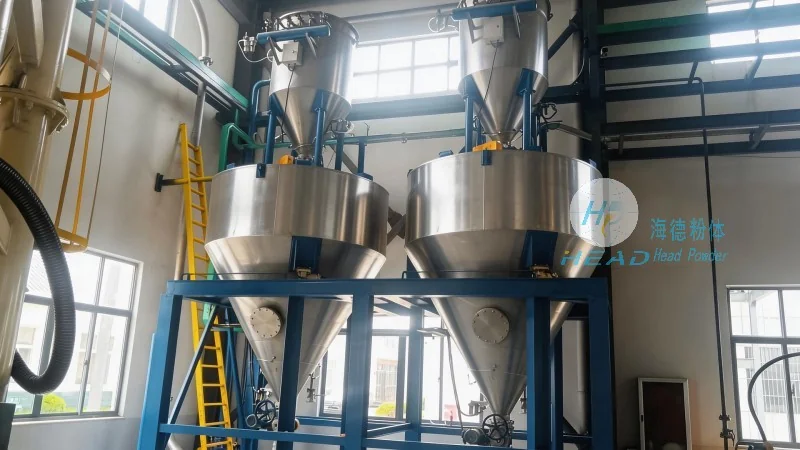
- Material Hopper: A storage vessel where perlite powder is loaded. The hopper is equipped with a discharge valve to control the flow of material into the system.
- Blower or Air Compressor: The power source that generates the air flow necessary for conveying the powder. The blower's capacity and pressure are matched to the system's requirements to ensure sufficient velocity for particle movement.
- Pipeline System: A network of pipes that transports the perlite powder mixed with air. The pipeline is designed with appropriate diameters and bends to minimize pressure drop and prevent material deposition.
- Receiver or Discharge Hopper: The final container where the conveyed perlite powder is deposited. The receiver is equipped with a discharge mechanism to transfer the material to the next processing stage.
The Operation Process of the Pneumatic Conveying Line
The operation of the perlite powder pneumatic conveying line involves a sequential process that ensures consistent and reliable material transfer. The steps are as follows:
- Material Loading: Perlite powder is fed into the material hopper from a storage silo or bagging system. The hopper's level indicator monitors the material quantity to prevent overfilling.
- Air Initiation: The blower is activated, generating a high-velocity air stream. The air flow is directed into the pipeline through a venturi or a straight inlet, creating a vacuum or pressure differential that draws the powder particles into the air stream.
- Powder Conveying: As the air and powder mixture travels through the pipeline, the particles are suspended and transported to the receiver. The velocity of the air must be sufficient to overcome the gravitational force and frictional resistance of the particles.
- Material Deposition: Upon reaching the receiver, the air and powder mixture is separated. The air is discharged through a filter or vent, while the perlite powder is collected in the receiver. The receiver's discharge valve then transfers the material to the subsequent processing equipment.
- System Shutdown: After the material transfer is complete, the blower is turned off, and the system is depressurized. The hopper and receiver are then emptied or prepared for the next batch of material.
Working Principle of the Pneumatic Conveying System
The working principle of the perlite powder pneumatic conveying line is based on the physics of fluid dynamics and particle suspension. The system utilizes the principle of pneumatic transport, where the powder particles are entrained in a high-velocity air stream and carried through the pipeline. The key factors affecting the conveying efficiency include:
- Velocity and Air Flow Rate: The air velocity must be high enough to keep the particles in suspension. Insufficient velocity leads to particle deposition and blockages, while excessive velocity increases energy consumption.
- Particle Size and Density: Perlite powder particles are typically fine and lightweight. The system is designed to handle these characteristics, ensuring that the air flow can effectively suspend the particles without causing excessive wear on components.
- Pipeline Design and Layout: The pipeline's diameter, length, and number of bends impact the pressure drop and conveying capacity. Proper design minimizes energy loss and ensures smooth material flow.
- Separation and Filtration: The receiver and associated filters are crucial for separating the air from the powder. Efficient separation prevents dust contamination and maintains the purity of the conveyed material.
Advantages of Using a Pneumatic Conveying Line for Perlite Powder
Implementing a pneumatic conveying system for perlite powder offers several advantages over traditional methods such as bucket elevators or belt conveyors. These benefits include:
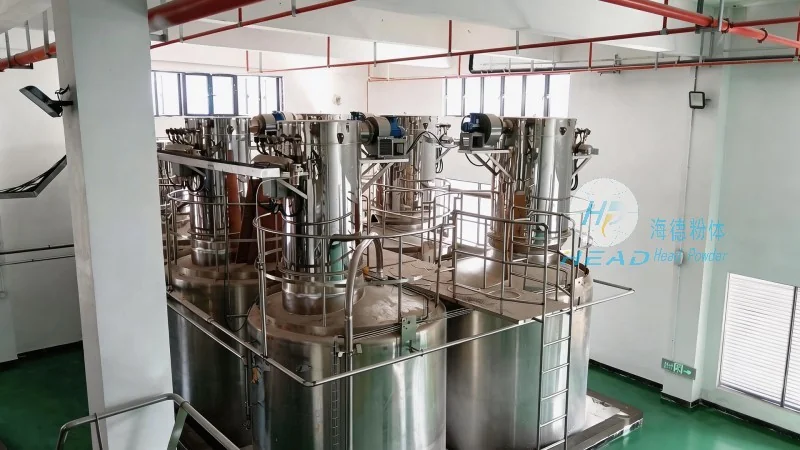
- Non-Contact Material Handling: The system avoids direct contact between the powder and equipment, reducing the risk of contamination and material degradation.
- Reduced Maintenance: Pneumatic conveying systems have fewer moving parts compared to mechanical conveyors, leading to lower maintenance costs and longer equipment lifespan.
- Space Efficiency: The system can be installed in compact spaces, making it suitable for facilities with limited floor area.
- Energy Efficiency: Modern blowers and optimized pipeline designs minimize energy consumption, resulting in lower operational costs.
- Scalability: The system can be easily scaled up or down to accommodate changes in production volume, providing flexibility for growing businesses.
Applications and Industries
The perlite powder pneumatic conveying line is widely used in various industries where perlite is a key raw material. Some common applications include:
- Construction and Insulation: Perlite is used as a lightweight aggregate in concrete and as an insulating material in building applications. The conveying system ensures efficient delivery of perlite to mixing plants and construction sites.
- Chemical Processing: In chemical industries, perlite is used as a filter aid or as a component in the production of specialty chemicals. The system maintains the purity of the material during transport.
- Food and Beverage: Although less common, perlite can be used in food processing as a filtering agent. The pneumatic conveying system ensures hygienic and efficient handling of the material.
Conclusion
Shandong HeadPowder Engineering Co., Ltd. provides comprehensive solutions for perlite powder pneumatic conveying lines, combining advanced technology with practical design. The operation process and working principle of these systems ensure efficient, reliable, and cost-effective material transport. By understanding the key components, operation steps, and advantages of pneumatic conveying, industries can optimize their material handling processes and enhance overall productivity. The company's expertise in designing and implementing such systems makes it a trusted partner for businesses seeking to improve their perlite powder handling capabilities.