

Operation Process and Working Principle of Stone, Coal Powder and Bulk Material Pneumatic Conveying
HeadPowder, a leading engineering company based in Shandong, China, specializes in the design, manufacturing, and installation of advanced pneumatic conveying systems. These systems are crucial for efficiently transporting bulk materials such as stones, coal powders, and other granular substances over long distances or within industrial facilities. The following content provides a detailed overview of the operation process and working principles of these systems, highlighting the technical aspects and practical applications.
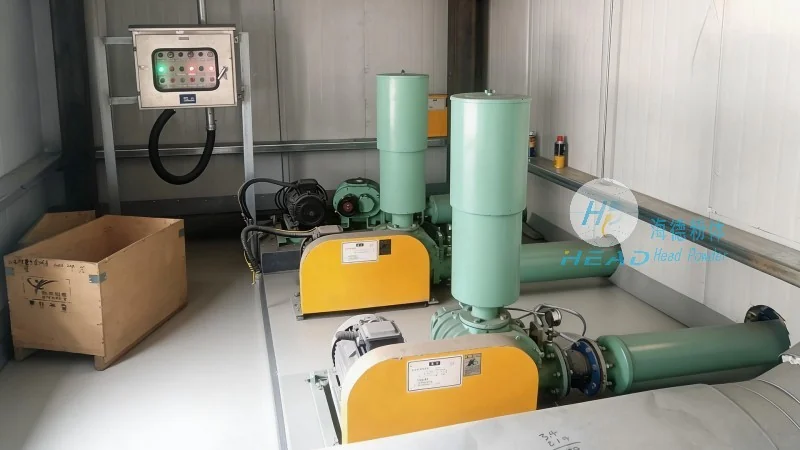
Key Components of Pneumatic Conveying Systems
At the core of a pneumatic conveying line are several essential components that work in tandem to ensure smooth material transport. The primary components include the material hopper or silo, the air compressor or blower, the conveying line (typically made of metal or flexible tubing), and the discharge outlet or receiver. Each component plays a critical role in the overall system performance. The material hopper stores the bulk material and feeds it into the system via a feed valve or rotary airlock. The air compressor generates the necessary pressure or vacuum to move the material through the line. The conveying line itself is designed to withstand the pressure and material flow, with appropriate diameters and bends to minimize resistance. The discharge outlet collects the material at the destination point, completing the transport cycle.
The Operation Process of Pneumatic Conveying Lines
The operation of a pneumatic conveying line typically follows a sequential process that ensures consistent and reliable material transport. The process begins with the loading of the bulk material into the hopper. Once the hopper is filled, the feed valve or rotary airlock opens, allowing the material to enter the conveying line. Simultaneously, the air compressor starts, generating the required airflow. The compressed air then propels the material particles through the line, creating a dense phase or dilute phase flow depending on the system design. The material travels from the hopper to the discharge outlet, with the air carrying the particles along the path. At the discharge point, the material is deposited into the receiver, while the air is either filtered and recirculated or vented to the atmosphere. This cycle repeats continuously, enabling the system to handle large volumes of material over extended periods.
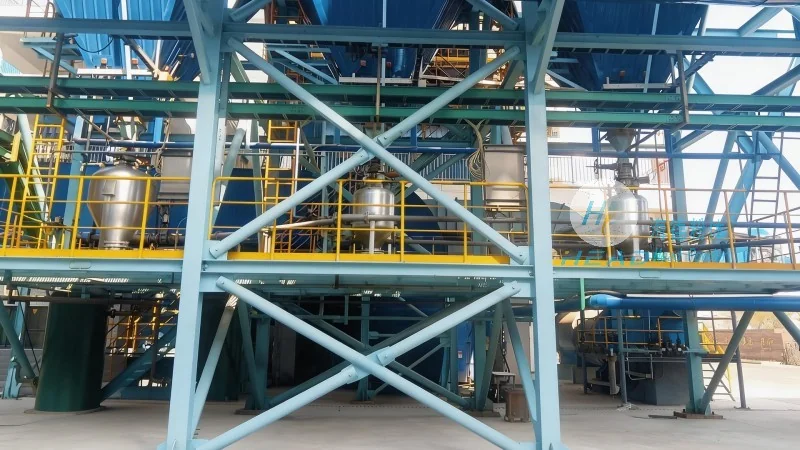
Working Principles of Pneumatic Conveying Systems
The working principle of pneumatic conveying systems is based on the fundamental concept of using air to transport solid materials. There are two main types of pneumatic conveying: pressure and vacuum systems. In pressure systems, the air compressor provides positive pressure to push the material through the line, while in vacuum systems, a vacuum pump creates a negative pressure to draw the material into the line. The choice between these systems depends on factors such as the material characteristics, distance of transport, and system layout. For stone and coal powder applications, pressure systems are often preferred due to their ability to handle abrasive materials and maintain high efficiency over long distances. The system operates by creating a flow of air that entrains the material particles, forming a slurry-like mixture. The air velocity must be sufficient to overcome the gravitational and frictional forces acting on the particles, ensuring stable transport. The design of the conveying line, including the diameter, length, and number of bends, is critical to maintaining the air velocity and preventing material deposition or blockages. Proper maintenance and monitoring of the system components, such as the air compressor and filter, are essential to ensure optimal performance and longevity.
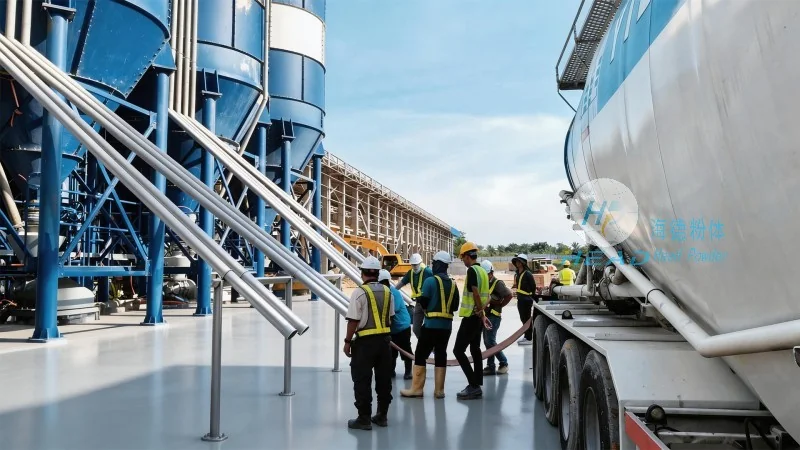
Advantages and Applications of Pneumatic Conveying Lines
Pneumatic conveying lines offer several advantages over traditional mechanical conveying methods, making them ideal for transporting bulk materials in various industrial settings. These advantages include high efficiency in material transport, minimal material degradation due to reduced handling, and the ability to handle abrasive or corrosive materials. The systems are also flexible in terms of layout, allowing for vertical, horizontal, or mixed-direction transport. HeadPowder's pneumatic conveying systems are widely used in industries such as mining, power generation, chemical processing, and food processing. For example, in coal-fired power plants, these systems efficiently transport coal from storage silos to boilers. In mining operations, they move crushed stones and ores from processing facilities to storage areas. The systems are also used in chemical plants to transport powders and granules, ensuring safe and reliable material handling.
Maintenance and Operational Considerations
To ensure the long-term performance and reliability of pneumatic conveying lines, regular maintenance and proper operational practices are essential. The air compressor and blower must be regularly inspected and maintained to ensure consistent airflow and pressure. The filter system should be cleaned or replaced as needed to prevent dust accumulation and maintain air quality. The conveying line and components should be checked for signs of wear, corrosion, or blockages, and repaired or replaced as necessary. Operational considerations include monitoring the system for any signs of inefficiency, such as increased air consumption or material buildup, and addressing these issues promptly. Proper training of operators on the system's operation and maintenance is also crucial to prevent accidents and ensure optimal performance. By following these guidelines, HeadPowder's pneumatic conveying systems can provide reliable and efficient material transport for years.