

Operation Process and Working Principle of Sponge Sand Powder Pneumatic Conveying Line
HeadPowder, a leading engineering company based in Shandong, China, specializes in the design, manufacturing, and installation of advanced pneumatic conveying systems. Among their product portfolio is the sponge sand powder pneumatic conveying line, a sophisticated solution tailored for efficient handling of abrasive and high-density materials like sponge sand. This article delves into the operational process and underlying working principles of such a system, providing a comprehensive understanding for industry professionals and potential clients.
Key Components of the Pneumatic Conveying System
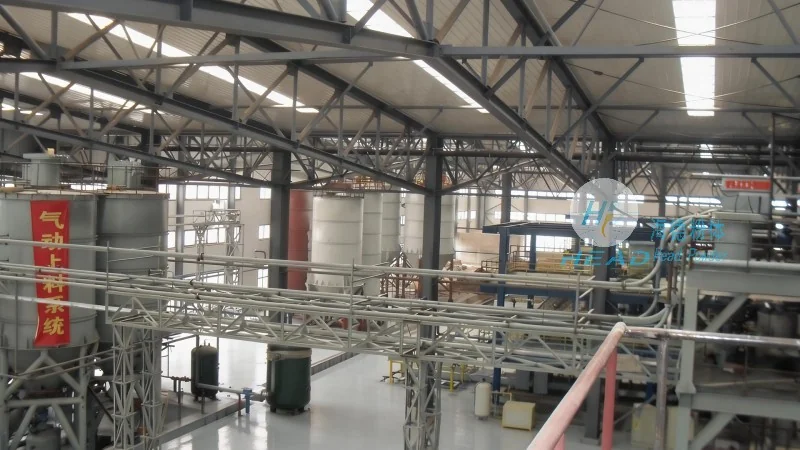
The sponge sand powder pneumatic conveying line comprises several critical components that work in tandem to ensure smooth material transport. These include the material hopper, which serves as the storage and feeding unit; the air compressor, responsible for generating the necessary air pressure to move the material; the pipeline network, which transports the material and air mixture; and the control system, which regulates the flow and pressure to maintain optimal operation. Each component is meticulously designed to handle the unique properties of sponge sand, such as its abrasive nature and high density, ensuring durability and efficiency.
Operation Process of the Pneumatic Conveying Line
The operation of the sponge sand powder pneumatic conveying line begins with material loading into the hopper. The material is then fed into the pipeline through a feeder, which can be a rotary valve or a star feeder, depending on the system design. Simultaneously, the air compressor starts, generating compressed air that is introduced into the pipeline. The air and material mixture travels through the pipeline, with the air pressure maintaining the material in suspension. The conveying process continues until the material reaches the discharge point, where it is collected in a receiving hopper or directly into the processing equipment. The control system continuously monitors parameters like pressure, flow rate, and material level, adjusting the air supply as needed to maintain stable operation and prevent blockages or overloading.
Working Principle of the Pneumatic Conveying System
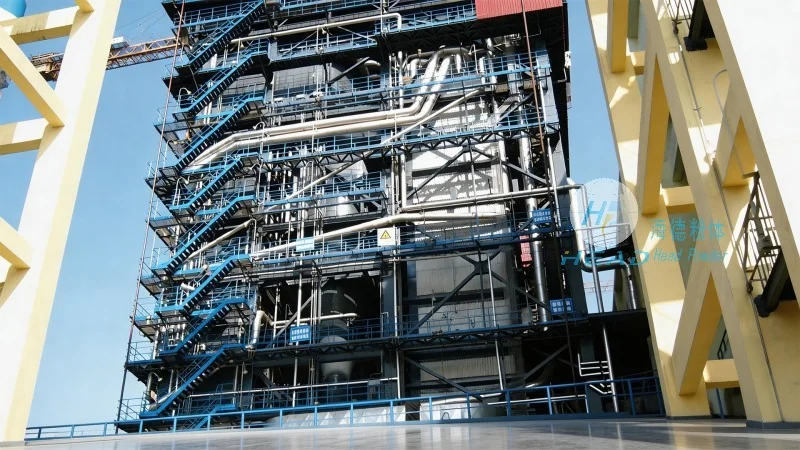
The core working principle of the sponge sand powder pneumatic conveying line is based on the use of air pressure to transport material particles. When compressed air is introduced into the pipeline, it creates a pressure differential that propels the material forward. The material is suspended in the air stream, allowing it to travel through the pipeline without direct contact with the pipe walls. This suspension is achieved by maintaining a sufficient air velocity, which is higher than the settling velocity of the material particles. The system operates in either positive pressure or negative pressure mode, depending on the application. In positive pressure systems, the air and material mixture is forced through the pipeline, while in negative pressure systems, the material is drawn into the pipeline by a vacuum created by the air compressor. The choice of mode depends on factors such as material properties, pipeline length, and the need to prevent dust emissions.
Advantages of Using a Sponge Sand Powder Pneumatic Conveying Line
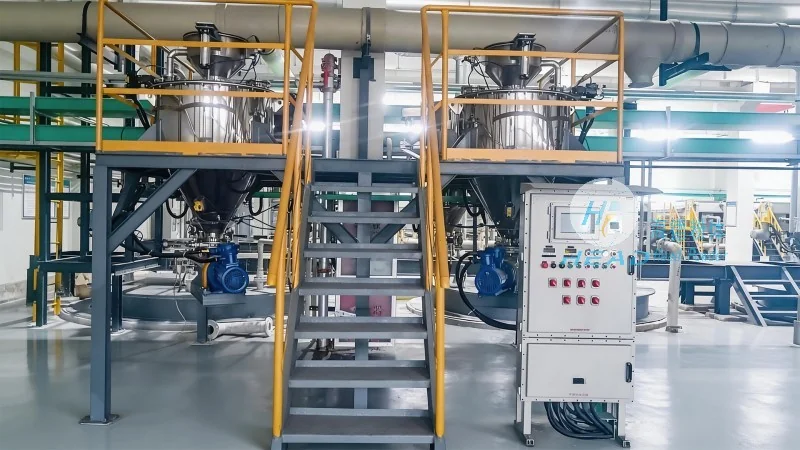
Implementing a pneumatic conveying line for sponge sand offers several advantages over traditional methods like belt conveyors or manual handling. Firstly, it provides a dust-free operation, which is crucial for maintaining a safe and healthy working environment, especially when dealing with abrasive materials. Secondly, the system is highly efficient in terms of space utilization, as it can transport material over long distances without the need for multiple transfer points. Thirdly, the conveying process is continuous and automated, reducing labor costs and improving production throughput. Additionally, the system is flexible and can be easily integrated with existing processing equipment, allowing for seamless material flow from storage to processing. These advantages make the sponge sand powder pneumatic conveying line an ideal solution for industries that require reliable and efficient material handling.
Application Scenarios and Industries
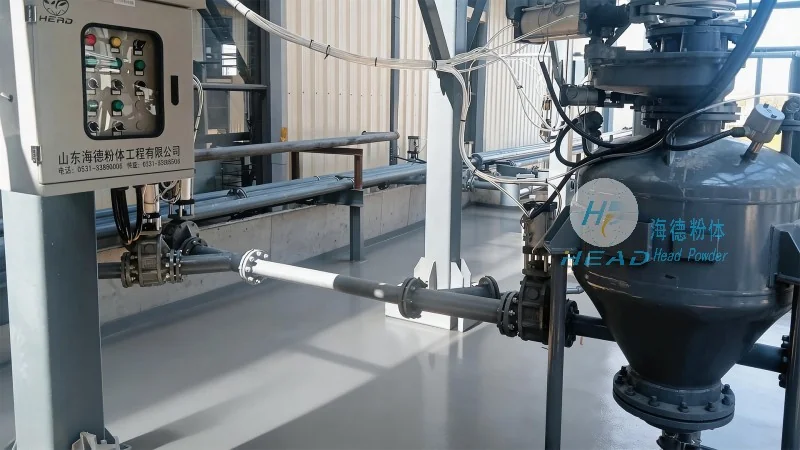
The sponge sand powder pneumatic conveying line is widely used in various industries that rely on sponge sand as a raw material. These include the foundry industry, where sponge sand is used in sand casting processes to produce high-quality metal components. The automotive industry also utilizes sponge sand in the manufacturing of engine blocks and other critical parts. Additionally, the construction industry benefits from the efficient handling of sponge sand in concrete production and other building materials. The system's ability to handle abrasive materials makes it suitable for applications where traditional conveyors may suffer from wear and tear. By providing a reliable and efficient material transport solution, the pneumatic conveying line enhances productivity and reduces operational costs for these industries.
Maintenance and Operational Considerations
To ensure the long-term performance and reliability of the sponge sand powder pneumatic conveying line, regular maintenance is essential. This includes checking the air compressor for proper operation, inspecting the pipeline for any signs of wear or blockages, and cleaning the material hopper and feeder to prevent material buildup. The control system should also be regularly calibrated to maintain accurate monitoring of pressure and flow rates. Additionally, operators should be trained on the proper operation of the system, including how to handle emergencies such as blockages or pressure spikes. By following these maintenance and operational guidelines, the system can operate efficiently for extended periods, minimizing downtime and maximizing productivity. HeadPowder provides comprehensive support and maintenance services to ensure that their clients can fully leverage the benefits of their pneumatic conveying systems.