

Operation Process and Working Principle of Calcium Phosphate Powder Pneumatic Conveying Line
For industrial applications involving the handling of calcium phosphate powders, efficient and reliable material transport is crucial. The pneumatic conveying line, specifically designed for calcium phosphate powder, represents a sophisticated solution that integrates advanced engineering principles to ensure seamless material movement from source to destination. This article delves into the operational process and underlying working principles of such a system, highlighting its key components, operational dynamics, and the technological advancements that enable optimal performance. The system is developed by Shandong HeadPowder Engineering Co., Ltd., a leading provider of engineering solutions for powder handling and material transport, with a focus on delivering high-quality, reliable systems tailored to the needs of various industries.
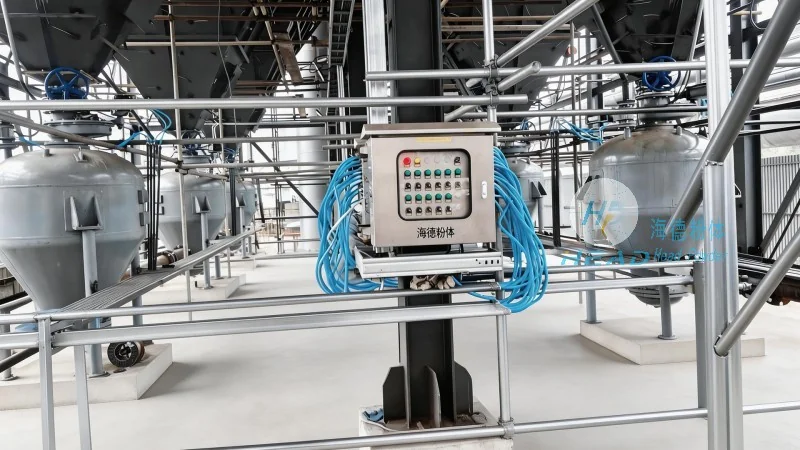
Introduction to Calcium Phosphate Powder Pneumatic Conveying Systems
Calcium phosphate powders are widely used in various industries, including pharmaceuticals, food processing, and chemical manufacturing, due to their essential role in product formulation and quality. However, the handling of these powders presents unique challenges, such as dust generation, material segregation, and the need for hygienic and controlled environments. Pneumatic conveying systems offer a solution by utilizing air as the conveying medium to transport powders through a network of pipes, eliminating the need for mechanical components like belts or buckets that can cause contamination or material degradation.
Key Components of the Pneumatic Conveying Line
The calcium phosphate powder pneumatic conveying line consists of several critical components that work in concert to achieve efficient material transport. These components include the material hopper, which serves as the storage and feeding unit; the air compressor, responsible for generating the necessary air pressure; the conveying line itself, which consists of pipes and fittings that direct the material flow; the control system, which monitors and regulates the operation; and the discharge unit, where the material is collected at the destination. Each component is carefully designed to ensure compatibility with calcium phosphate powders, considering factors like particle size, density, and flow characteristics.
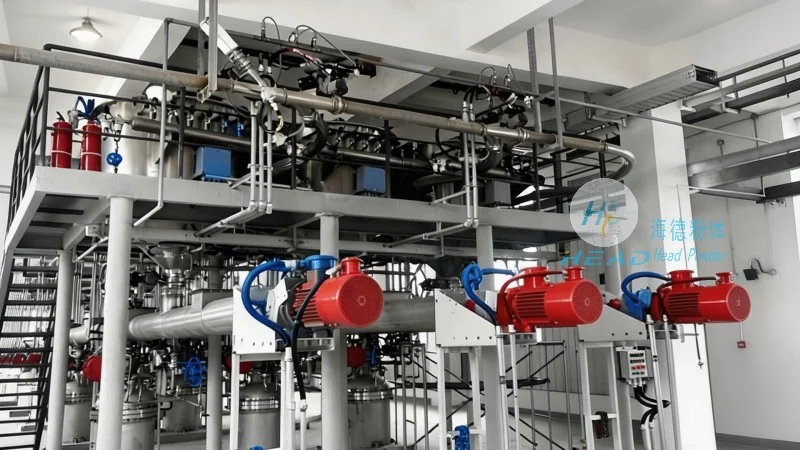
Operation Process of the Pneumatic Conveying Line
The operation of the calcium phosphate powder pneumatic conveying line follows a systematic sequence that ensures consistent and reliable material transport. The process begins with the loading of calcium phosphate powder into the material hopper. The hopper is equipped with a feeding mechanism, such as a rotary valve or a screw feeder, which controls the flow rate of the powder into the conveying line. Simultaneously, the air compressor starts operating, generating a high-pressure air stream that is introduced into the conveying line. The air stream, combined with the powder, forms a dense phase or dilute phase flow, depending on the system design. The material is then propelled through the pipes by the air pressure, moving from the source to the destination. At the discharge point, the air is separated from the powder, and the powder is collected in a receiving container. The control system continuously monitors parameters such as air pressure, flow rate, and material level to maintain optimal operation and prevent system failures.
Working Principle of the Pneumatic Conveying Line
The working principle of the calcium phosphate powder pneumatic conveying line is based on the fundamental concept of fluidization and pneumatic transport. When air is introduced into the conveying line at a sufficient velocity, it creates a fluidized bed of powder, allowing the particles to move freely and be carried by the air stream. The pressure drop along the conveying line is a critical factor, as it determines the energy required to transport the material. The system is designed to maintain a stable pressure drop, ensuring that the air velocity remains within the optimal range for efficient powder transport. The choice between dense phase and dilute phase conveying depends on the application requirements, with dense phase conveying offering advantages such as lower air consumption and reduced material degradation, while dilute phase conveying is more suitable for longer distances or larger volumes.
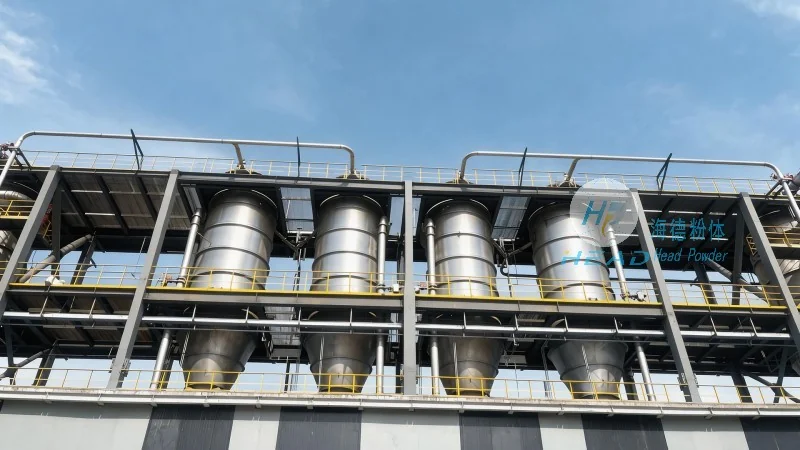
Advantages of Using a Pneumatic Conveying Line for Calcium Phosphate Powders
Implementing a pneumatic conveying line for calcium phosphate powders offers numerous advantages over traditional mechanical conveying methods. One of the primary benefits is the elimination of mechanical components, which reduces the risk of contamination and material degradation. The system is also highly flexible, allowing for easy integration with existing production lines and the ability to transport materials over long distances without the need for intermediate storage. Additionally, pneumatic conveying systems are energy-efficient, as they use air as the conveying medium, which is more cost-effective compared to mechanical systems that require constant maintenance and higher energy consumption. The hygienic design of the system ensures compliance with industry standards, making it suitable for applications where product purity is paramount.
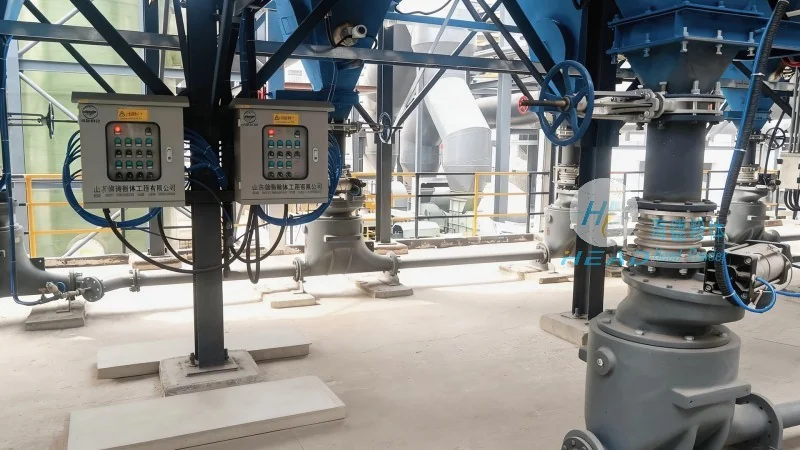
Applications and Industries Utilizing Calcium Phosphate Powder Pneumatic Conveying
The calcium phosphate powder pneumatic conveying line is widely utilized in various industries that rely on calcium phosphate powders as a key ingredient. In the pharmaceutical industry, these systems are used to transport raw materials for the production of calcium phosphate-based drugs and supplements, ensuring that the materials are handled in a sterile and controlled environment. In the food processing industry, the system is employed to transport calcium phosphate powders used as food additives or fortifiers, maintaining the quality and safety of the final products. The chemical manufacturing industry also benefits from these systems when handling calcium phosphate powders used in the production of fertilizers, coatings, and other chemical products. Each application requires specific system configurations to meet the unique demands of the industry, such as varying particle sizes, flow rates, and environmental conditions.
Maintenance and Operational Considerations for the Pneumatic Conveying Line
To ensure the long-term performance and reliability of the calcium phosphate powder pneumatic conveying line, regular maintenance and operational considerations are essential. The system components, such as the air compressor, conveying pipes, and feeding mechanisms, require periodic inspection and maintenance to prevent wear and tear. Filters and separators are critical components that need to be cleaned or replaced regularly to maintain air quality and prevent powder buildup. The control system should be monitored for any anomalies, such as pressure fluctuations or flow rate deviations, which may indicate system issues. Proper training of operators is also important to ensure that the system is operated correctly and efficiently. By following these maintenance and operational guidelines, the system can achieve high uptime and minimal downtime, maximizing its productivity and cost-effectiveness.