

Operation Process and Working Principle of Ton Bag Unloading Powder Pneumatic Conveying
Efficient and reliable material handling is a critical aspect of modern industrial operations, particularly in sectors dealing with bulk powders. Among the various technologies available, pneumatic conveying systems have emerged as a preferred solution for transporting powders from storage containers to processing units. This article provides a detailed overview of the operation process and working principle of ton bag unloading powder pneumatic conveying, highlighting its key components, operational steps, and the underlying mechanisms that enable smooth material transfer.
Introduction to Ton Bag Unloading Powder Pneumatic Conveying
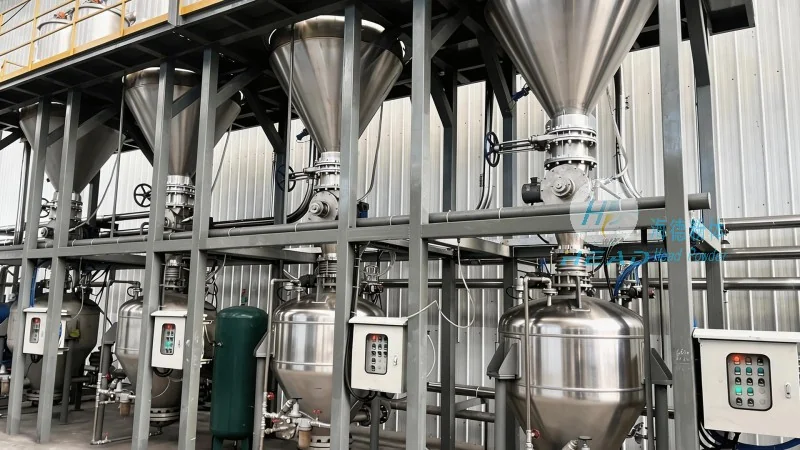
Ton bag unloading powder pneumatic conveying systems are specifically designed to handle the unloading of bulk powders from large storage bags, commonly known as ton bags or big bags. These systems are widely used in industries such as chemicals, food processing, pharmaceuticals, and mining, where the safe and efficient transfer of powders is essential for maintaining production efficiency and product quality. The system integrates several key components, including a bag unloader, a pneumatic conveying line, and a receiver or processing unit, working in tandem to ensure seamless material flow.
Key Components of the Pneumatic Conveying System
The ton bag unloading powder pneumatic conveying system comprises several critical components that work together to facilitate the material transfer process. The primary components include:
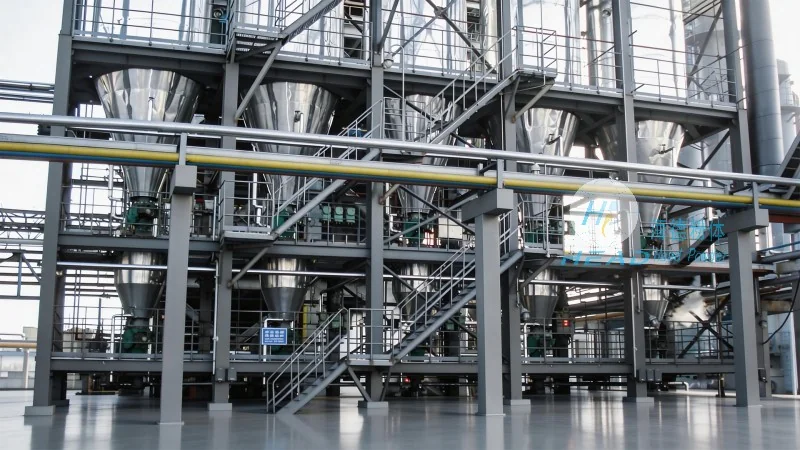
- Bag Unloader: This is the initial component that connects to the ton bag, typically featuring a hopper or a discharge valve that allows the powder to be released from the bag under controlled conditions. The unloader may include mechanisms such as a rotary valve or a gate to regulate the flow of material.
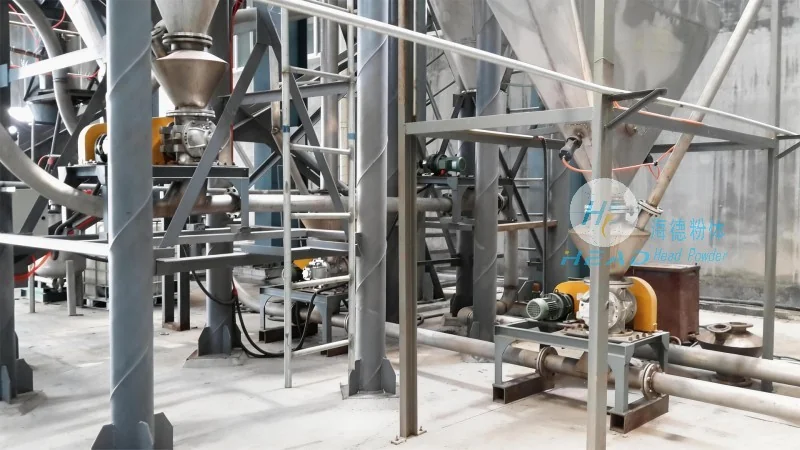
- Pneumatic Conveying Line: This is the core of the system, consisting of a pipeline through which the powder is transported using compressed air. The line may be made of materials like stainless steel or plastic, depending on the nature of the powder and the operating environment. The conveying line is equipped with various accessories, including elbows, tees, and filters, to ensure the smooth and efficient movement of the material.
- Compressor and Air Treatment Unit: The system utilizes a compressor to generate the necessary compressed air, which is then treated to remove moisture and contaminants. This air treatment is crucial to prevent the degradation of the powder and to maintain the integrity of the conveying line.
- Receiver or Processing Unit: The final component where the powder is deposited after being conveyed through the system. This could be a storage silo, a mixing tank, or a processing machine, depending on the downstream application.
Operation Process of Ton Bag Unloading Powder Pneumatic Conveying
The operation of a ton bag unloading powder pneumatic conveying system involves a series of sequential steps that ensure the safe and efficient transfer of powders from the bag to the processing unit. The process typically begins with the positioning of the ton bag onto the bag unloader. The unloader then opens the bag, allowing the powder to flow into the conveying line under the pressure of the compressed air. The compressed air, flowing through the line at a controlled velocity, lifts and transports the powder particles, creating a slurry-like mixture that moves through the pipeline.
As the powder travels through the conveying line, it encounters various components such as elbows and filters, which help to maintain the flow and prevent blockages. The air treatment unit ensures that the air remains clean and dry, preventing any moisture or contaminants from affecting the powder quality. The receiver or processing unit is positioned at the end of the line, where the powder is deposited under gravity or through a discharge valve. The system then cycles through these steps, with the bag unloader closing after the material has been fully transferred.
Working Principle of the Pneumatic Conveying System
The working principle of the ton bag unloading powder pneumatic conveying system is based on the fundamental concept of pneumatic transport, where the powder is suspended and transported by the flow of compressed air. The key principles include:
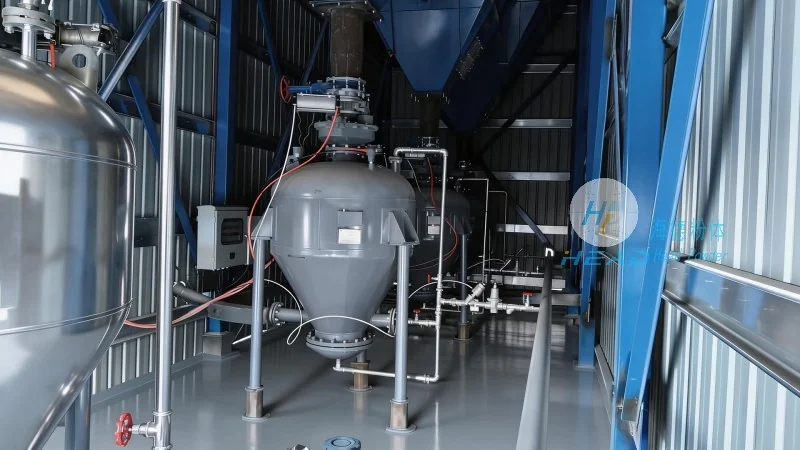
- Fluidization: The compressed air flows through the conveying line at a velocity sufficient to fluidize the powder particles, creating a suspension that behaves like a fluid. This fluidization allows the powder to be moved through the pipeline without the need for mechanical conveyors.
- Pressure Drop and Flow Rate: The pressure drop along the conveying line is a critical factor that determines the flow rate of the powder. The system is designed to maintain an optimal pressure drop to ensure consistent material flow and prevent excessive energy consumption.
- Particle Size and Density: The characteristics of the powder, such as particle size and density, influence the conveying velocity and the required air pressure. Larger or denser particles may require higher air velocities and pressures to ensure efficient transport.
- Air-to-Powder Ratio: The ratio of air to powder is carefully controlled to achieve the desired conveying efficiency. An optimal air-to-powder ratio ensures that the powder is fully suspended and transported without excessive air consumption or particle degradation.
Advantages of Ton Bag Unloading Powder Pneumatic Conveying
Compared to traditional mechanical conveying methods, ton bag unloading powder pneumatic conveying offers several advantages that make it a preferred choice in many industries. These advantages include:
- Reduced Downtime and Maintenance: The system eliminates the need for moving parts in the conveying line, reducing the risk of mechanical failure and minimizing maintenance requirements.
- Improved Material Quality: The enclosed system prevents contamination from external sources and minimizes the exposure of the powder to air, maintaining its quality and preventing caking or agglomeration.
- Space Efficiency: The system can be installed in compact spaces, making it suitable for facilities with limited floor area.
- Flexibility in Application: The system can handle a wide range of powder types and can be easily adapted to different production requirements.
About Shandong HeadPowder Engineering Co., Ltd.
Shandong HeadPowder Engineering Co., Ltd., operating under the brand name headpowder, is a leading provider of advanced material handling solutions, including pneumatic conveying systems. With a strong commitment to innovation and quality, the company specializes in designing and manufacturing customized solutions tailored to the specific needs of its clients. Headpowder's expertise lies in the development of efficient and reliable systems that enhance operational efficiency and product quality in various industrial sectors. The company's headquarters is located in Shandong, China, where it leverages its local resources and expertise to serve a global clientele.