

Operation Process and Working Principle of Dust Powder Pneumatic Conveying
Pneumatic conveying systems are essential in industrial applications for transporting bulk materials like dust and powders over short to medium distances. These systems utilize air as the conveying medium, offering advantages such as flexibility, efficiency, and the ability to handle materials that are difficult to transport by traditional methods. The operation process and working principle of these systems involve several key components and steps that ensure effective material transfer.
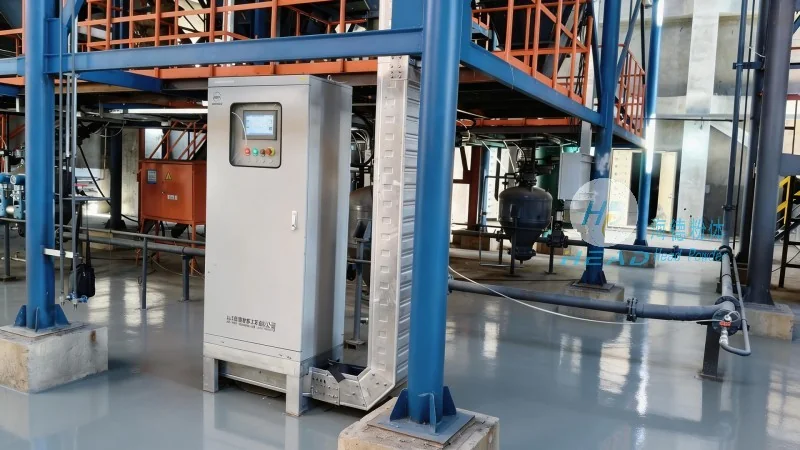
Key Components of Pneumatic Conveying Systems
At the core of a pneumatic conveying system are several critical components that work in tandem to achieve material transport. These include the material hopper or feeder, which stores and feeds the powder or dust into the system; the air supply system, typically a blower or compressor that generates the necessary air pressure; the conveying line, which can be either a positive pressure or negative pressure system; and the receiving hopper or discharge point where the material is deposited. Each component plays a vital role in the overall functionality of the system, ensuring smooth and consistent material movement.
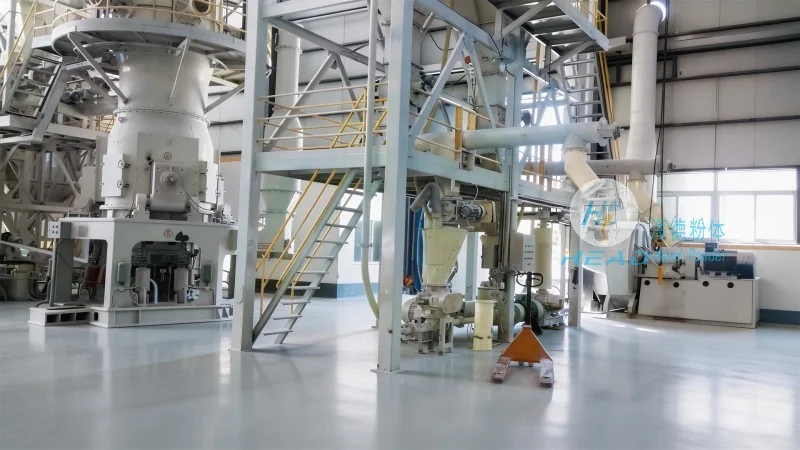
Operation Process of Dust Powder Pneumatic Conveying
The operation process of a dust powder pneumatic conveying system begins with the loading of the material into the hopper. The feeder then regulates the flow of material into the conveying line, ensuring a consistent feed rate. Simultaneously, the air supply system generates the required air pressure, which is then introduced into the conveying line. As the air flows through the line, it entrains the powder particles, creating a slurry-like mixture that is propelled towards the discharge point. The velocity of the air and the design of the conveying line are crucial factors that determine the efficiency of material transport. The system continues to operate until the hopper is empty or the required amount of material has been transferred. During operation, the system maintains a stable pressure and flow rate to prevent blockages or uneven material distribution.
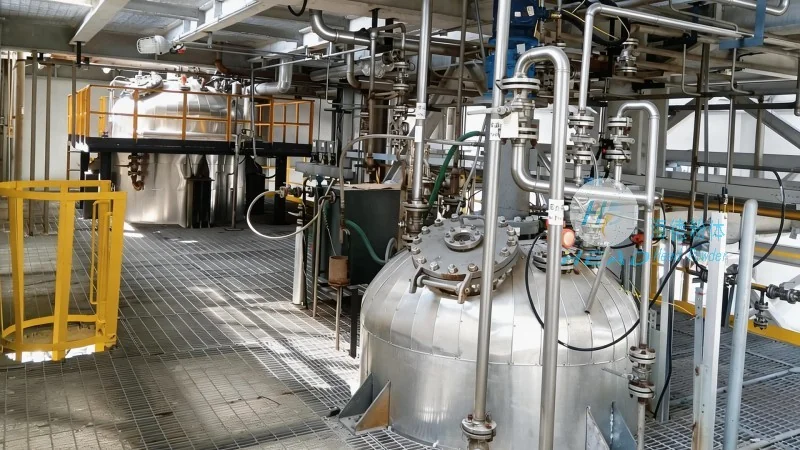
Working Principle of Pneumatic Conveying
The working principle of pneumatic conveying relies on the principles of fluid dynamics and particle motion. In a positive pressure system, the air is forced through the conveying line at a high velocity, creating a pressure differential that propels the material forward. The air flow entrains the particles, and the combination of air velocity and particle size determines the conveying capacity. In a negative pressure system, the air is drawn through the line, creating a vacuum that pulls the material into the system. Both systems utilize the interaction between the air flow and the powder particles to achieve transport. The key to efficient operation is maintaining the correct air-to-material ratio, which ensures that the particles are adequately entrained without excessive air consumption or particle degradation.
Applications and Benefits
Dust powder pneumatic conveying systems are widely used in various industries, including food processing, pharmaceuticals, chemicals, and minerals. The benefits of these systems include reduced labor costs, improved safety by eliminating manual handling of powders, and the ability to transport materials in a closed system, minimizing dust emissions and contamination. The flexibility of pneumatic conveying allows for easy integration into existing production lines and the ability to transport materials over varying distances and heights. Additionally, the system can handle a wide range of materials, from fine powders to larger particles, making it a versatile solution for material handling needs.
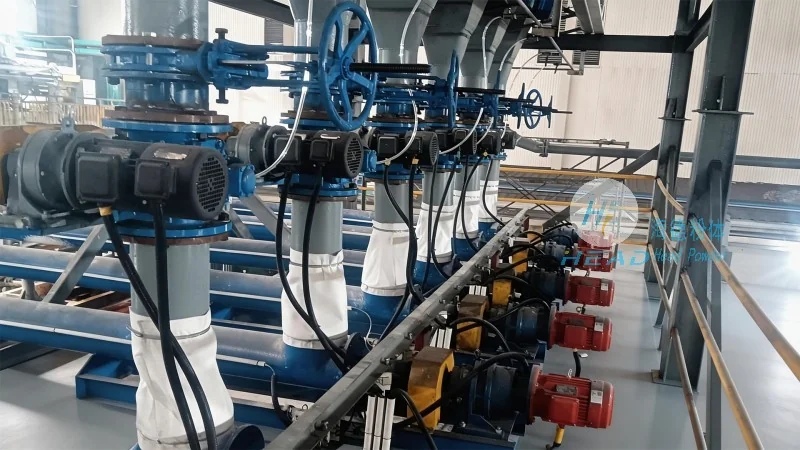
Company Overview: Shandong HeadPowder Engineering Co., Ltd.
Shandong HeadPowder Engineering Co., Ltd., operating under the brand name headpowder, specializes in the design, manufacturing, and installation of pneumatic conveying systems for dust and powder materials. With a focus on providing high-quality and efficient solutions, the company has established itself as a leader in the industry. HeadPowder's expertise lies in understanding the unique requirements of different applications and tailoring systems to meet specific customer needs. The company's commitment to innovation and quality ensures that its products are reliable, durable, and meet the highest industry standards. HeadPowder's facilities are located in Shandong, China, where the company leverages local resources and expertise to deliver superior products and services to its clients worldwide.