

Operation Process and Working Principle of Wheat Material Conveying Lines
Wheat material conveying lines are vital components in the grain processing industry, engineered to efficiently transport wheat and other bulk materials within processing facilities. These systems are designed to accommodate the unique physical properties of wheat, such as size, moisture content, and density, ensuring smooth and reliable operation. The operation process and working principle of such lines involve integrated mechanisms that work in concert to achieve optimal performance and material handling efficiency.
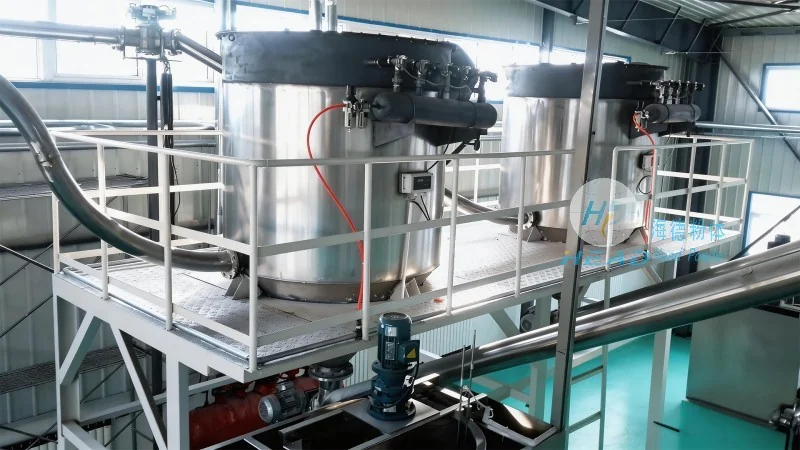
Company Overview: Shandong HeadPowder Engineering Co., Ltd.
HeadPowder, a leading manufacturer specializing in powder and bulk material handling solutions, focuses on the design, manufacturing, and installation of advanced conveying systems. With a strong commitment to quality and innovation, HeadPowder has positioned itself as a trusted partner for businesses in the agricultural and food processing sectors. The company’s headquarters is located in Shandong, China, where it leverages local expertise and resources to deliver high-performance equipment tailored to specific operational requirements.
Key Components of Wheat Material Conveying Lines
The operation of a wheat material conveying line relies on several critical components that collaborate to ensure efficient material transport. The primary components include the conveyor belt or chute, which serves as the main transport medium; the drive system, which provides the necessary power to move the material; and the control system, which regulates the speed and direction of the conveying process. Additional features like feed hoppers, discharge chutes, and safety sensors are integrated to enhance functionality and operational safety.
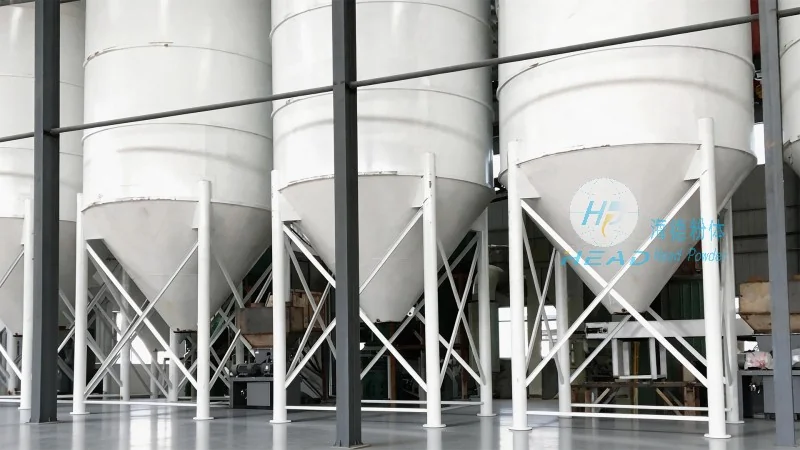
The Operation Process of Wheat Material Conveying Lines
The operation process of a wheat material conveying line typically begins with the loading of wheat into the feed hopper. The feed hopper is engineered to evenly distribute the material onto the conveyor belt, ensuring consistent flow. Once the wheat is on the belt, the drive system activates, moving the material along the designated path. The conveyor may include multiple segments, such as inclines or declines, to adjust the height and direction of the material transport. At the discharge end, the wheat is released into a storage bin or processing unit, completing the cycle. The entire process is monitored by the control system, which adjusts parameters like speed and tension to maintain optimal performance and prevent issues like material jams or belt slippage.
Working Principle of Wheat Material Conveying Lines
The working principle of wheat material conveying lines is based on mechanical transport principles. The conveyor belt, often made of durable materials like rubber or plastic, is driven by a motor through a pulley or gear system. As the belt rotates, it moves the wheat along its surface, leveraging gravity and the belt's tension to maintain a steady flow. The control system plays a crucial role by adjusting the motor speed and tension to accommodate variations in material load and conditions. This dynamic adjustment ensures efficient operation under different scenarios, such as changes in wheat moisture or bulk density. Furthermore, safety features like emergency stop buttons and overload protection are integrated to prevent accidents and equipment damage.
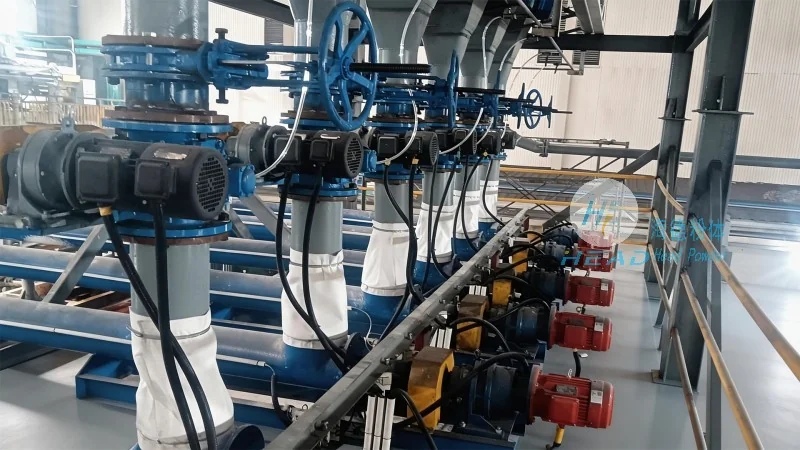
Benefits and Applications of Wheat Material Conveying Lines
Wheat material conveying lines offer numerous benefits, including increased productivity, reduced labor costs, and enhanced safety in material handling operations. These systems are widely used in various applications, such as grain storage facilities, flour mills, and agricultural processing plants. By automating the transport of wheat, businesses can streamline operations, minimize downtime, and improve overall efficiency. The reliability and durability of HeadPowder's conveying systems ensure long-term performance, making them a preferred choice for companies seeking to optimize their material handling processes.
Conclusion
In conclusion, the operation process and working principle of wheat material conveying lines are critical to efficient wheat handling in industrial settings. HeadPowder's expertise in designing and manufacturing advanced conveying systems ensures reliable and effective operation. By understanding the key components, operation process, and working principles, businesses can make informed decisions when selecting and implementing conveying solutions that meet their specific needs. The integration of modern technology and robust engineering in these systems continues to drive improvements in grain processing efficiency and safety.