

Operation Process and Working Principle of Gypsum Powder Material Conveying Line
HeadPowder, a leading engineering company based in Shandong, China, specializes in the design, manufacturing, and installation of advanced material handling systems. Among their core offerings is the gypsum powder material conveying line, a critical component in industrial processes that require efficient and reliable transportation of gypsum and similar powders. This article delves into the operational process and underlying principles of such systems, highlighting their importance in modern industrial applications.
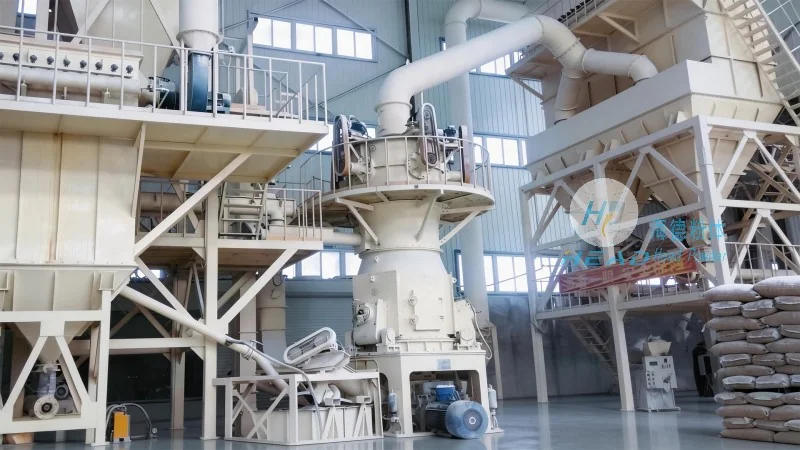
Key Components of the Gypsum Powder Conveying System
The gypsum powder conveying line typically consists of several interconnected components that work in tandem to ensure smooth material flow. The primary elements include a hopper for material storage, a feeder to control the discharge rate, a conveyor (such as a screw or pneumatic conveyor) for transporting the powder, and a control system to regulate the entire process. Each component plays a vital role in maintaining the efficiency and safety of the operation.
Operation Process of the Gypsum Powder Conveying Line
The operation of a gypsum powder conveying line begins with the loading of raw gypsum into the hopper. The hopper is designed to hold a sufficient quantity of material to sustain continuous operation, minimizing downtime caused by frequent refills. Once the material is in the hopper, a feeder mechanism, often a rotary valve or a screw feeder, regulates the flow of gypsum into the conveyor. This controlled discharge ensures that the conveyor operates at a consistent rate, preventing overloading or underloading that could lead to inefficiencies or equipment damage.
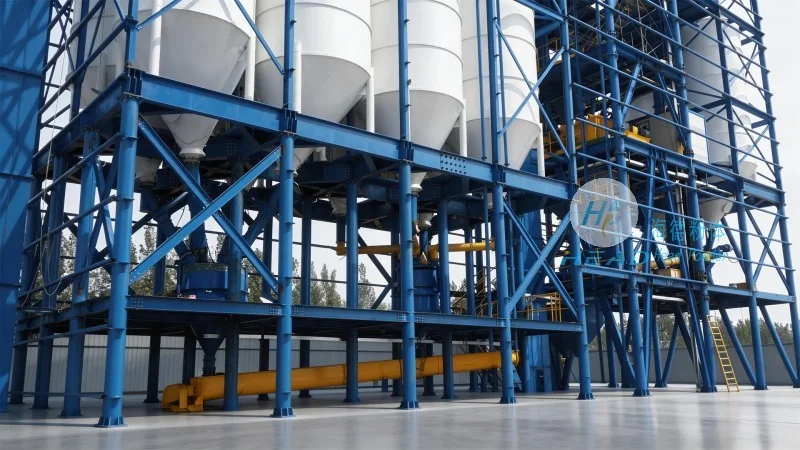
The conveyor itself is the heart of the system, responsible for transporting the gypsum powder from the hopper to the discharge point. Depending on the specific application, the conveyor may be a screw conveyor, a pneumatic conveyor, or a combination of both. Screw conveyors use rotating screws to move the material along a tube, while pneumatic conveyors utilize air pressure to transport the powder through a pipeline. Both methods are effective for gypsum powder, but the choice depends on factors such as the material's moisture content, dust generation, and the required conveying distance.
Working Principle of the Gypsum Powder Conveying System
The working principle of the gypsum powder conveying line is based on the principles of fluid dynamics and mechanical motion. The system operates by converting the potential energy of the stored material in the hopper into kinetic energy that drives the conveyor. The feeder controls the rate at which material is released, ensuring a steady flow that matches the conveyor's capacity. The conveyor then transports the material to the discharge point, where it is collected in a storage bin or directly fed into the next processing stage.
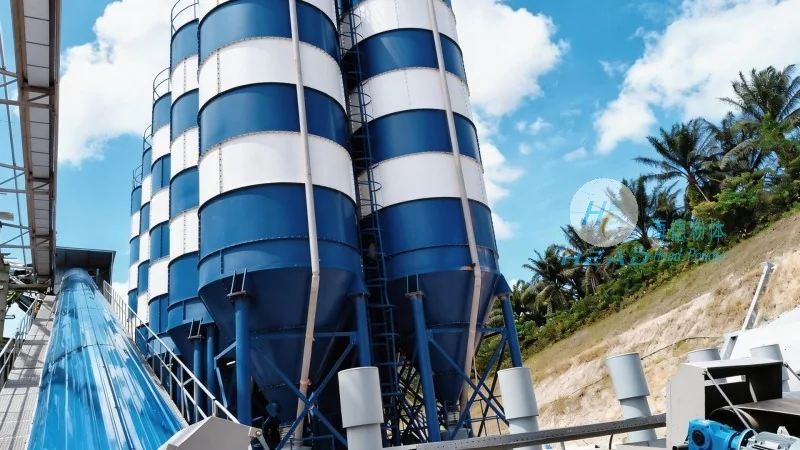
In pneumatic conveying systems, the principle involves creating a pressure differential between the hopper and the discharge point. Air is introduced into the system, and the pressure difference causes the gypsum powder to be drawn into the pipeline and transported to the destination. This method is particularly effective for handling fine powders like gypsum, as it minimizes dust and ensures a clean operation. The control system monitors parameters such as pressure, flow rate, and temperature, adjusting the operation in real-time to maintain optimal performance.
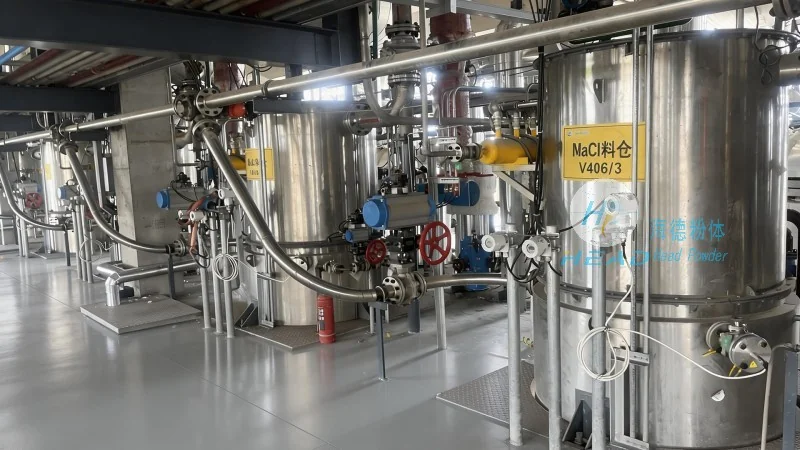
Advantages of Gypsum Powder Conveying Lines
Implementing a gypsum powder conveying line offers several advantages for industrial operations. Firstly, it enhances operational efficiency by automating the material handling process, reducing the need for manual labor and minimizing the risk of human error. The system ensures consistent material flow, which is crucial for maintaining production quality and reducing waste. Secondly, it improves safety by containing dust and preventing material spillage, which can be hazardous in industrial environments. Additionally, the system is designed for durability and low maintenance, reducing long-term operational costs.
Applications and Industries
Gypsum powder conveying lines are widely used in various industries that rely on gypsum as a raw material. These include the construction industry, where gypsum is used to produce drywall and plaster products, and the pharmaceutical industry, where gypsum is used in the production of certain medications. Other applications include the manufacturing of gypsum board, cement, and other building materials. The versatility of the system makes it suitable for different scales of production, from small-scale operations to large industrial plants.