

Operation Process and Working Principle of Silicone Powder Material Conveying Line
In the manufacturing and processing of silicone powder, efficient material handling is a critical factor that directly impacts production efficiency, product quality, and operational safety. A silicone powder material conveying line is a specialized system designed to transport bulk silicone powder from storage to processing or packaging stages. This system integrates various components to ensure smooth, controlled, and reliable material transfer. Understanding the operation process and working principles of such a line is essential for optimizing industrial processes and maintaining high standards in silicone powder handling.
Key Components and Their Functions
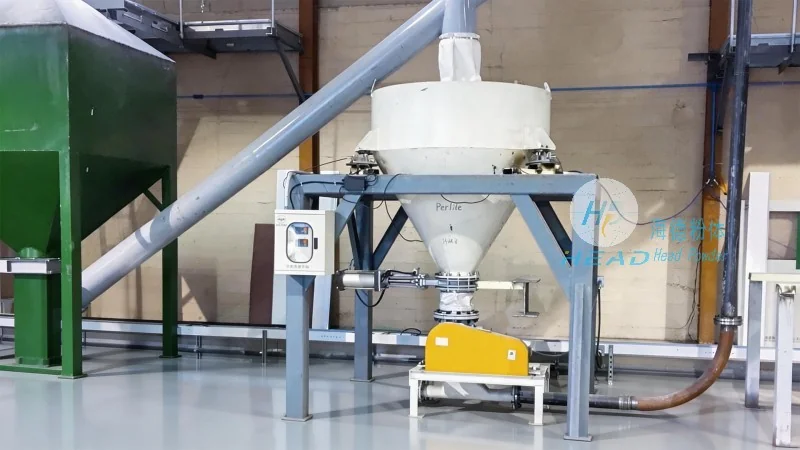
The operation of a silicone powder conveying line relies on several key components, each playing a vital role in the overall system. The primary components include a storage hopper or silo, a feeder mechanism, a conveying system (either pneumatic or mechanical), a dust collection system, and a discharge unit. The storage hopper serves as the initial container for the silicone powder, providing a large capacity to store bulk material. The feeder, typically a rotary valve or a screw feeder, regulates the flow of powder from the hopper into the conveying line, ensuring a consistent and controlled feed rate. The conveying system, which can be pneumatic (using compressed air) or mechanical (such as a screw or belt conveyor), transports the powder through the pipeline. The dust collection system is integrated to capture fine powder particles and maintain air quality, preventing dust contamination in the workplace. Finally, the discharge unit receives the powder from the conveyor and delivers it to the next stage of processing or packaging.
Step-by-Step Operation Process
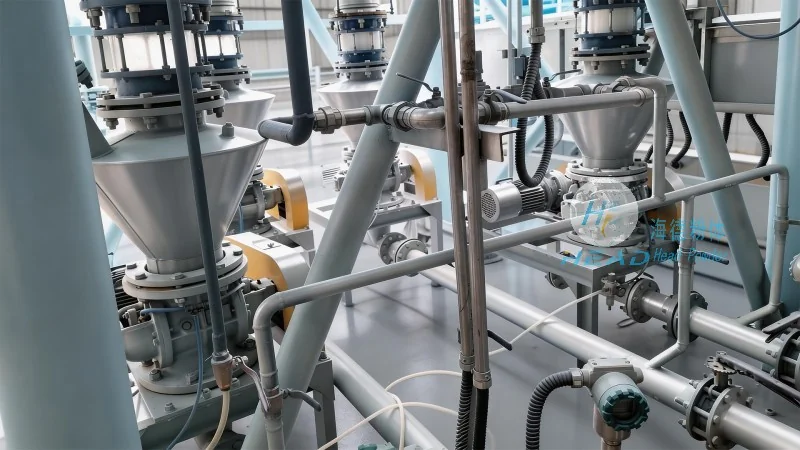
The operation of a silicone powder conveying line follows a systematic sequence of steps. The process begins with the powder being released from the storage hopper into the feeder. The feeder mechanism controls the flow rate, ensuring that the powder is fed into the conveyor at a steady pace. Next, the conveying system activates, using compressed air or mechanical force to move the powder through the pipeline. In pneumatic systems, the compressed air creates a flow that suspends the powder particles, transporting them to the discharge point. The speed and pressure of the conveying medium are carefully managed to maintain the powder's integrity and prevent clogging or blockages. During transport, the dust collection system continuously filters the air, capturing any fine particles and returning clean air to the environment. Upon reaching the discharge point, the powder is deposited into a receiving container or directly into the processing equipment. This entire process is automated, reducing the need for manual handling and minimizing the risk of contamination or material loss.

Working Principles of the Conveying Mechanism
The working principle of a silicone powder conveying line is based on the physics of powder transport. For pneumatic conveying systems, the core principle is the use of compressed air to create a flow that propels the powder particles through the pipeline. The air velocity must be maintained above the minimum velocity required to keep the powder suspended, which is known as the "fluidization velocity." This ensures that the powder remains in a suspended state, preventing it from settling or forming clumps. Mechanical conveying systems, such as screw conveyors or belt conveyors, rely on mechanical motion to move the powder. The screw or belt rotates, pushing the powder forward through the conveyor. These systems are often used for bulkier or more abrasive materials but are also suitable for silicone powder under specific conditions. The choice between pneumatic and mechanical conveying depends on factors like the powder's properties (e.g., particle size, moisture content), the required capacity, and the system's layout. For fine silicone powders, pneumatic conveying is often preferred due to its ability to handle delicate particles without causing damage.
Benefits of Implementing a Conveying Line
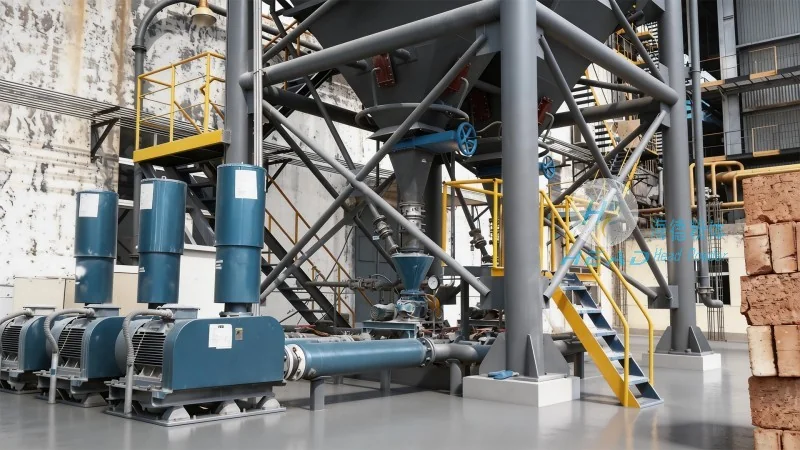
Adopting a dedicated silicone powder conveying line offers numerous benefits for industrial operations. First, it significantly improves operational efficiency by automating the material handling process. This reduces manual labor, minimizes human error, and allows for consistent flow rates, leading to more uniform processing and better product consistency. Second, the system enhances product quality by minimizing exposure to moisture, contaminants, and air. Silicone powders are sensitive to environmental factors, and proper containment prevents degradation or changes in properties. Third, the enclosed system reduces dust generation, improving workplace safety and compliance with environmental regulations. Additionally, the conveying line can be integrated with other processing equipment, creating a seamless production line that streamlines operations. For companies like Shandong HeadPowder Engineering Co., Ltd., these advantages are crucial in maintaining competitiveness and meeting the high standards of silicone powder processing.