

Operation Process and Working Principle of Zinc Calcine Material Conveying Line
Understanding the operation process and working principle of a zinc calcine material conveying line is crucial for optimizing material handling efficiency in industrial applications. This article provides a detailed overview of the key components, operational steps, and technical aspects involved in such systems, presented by Shandong HeadPowder Engineering Co., Ltd., a leading provider of specialized material handling solutions.
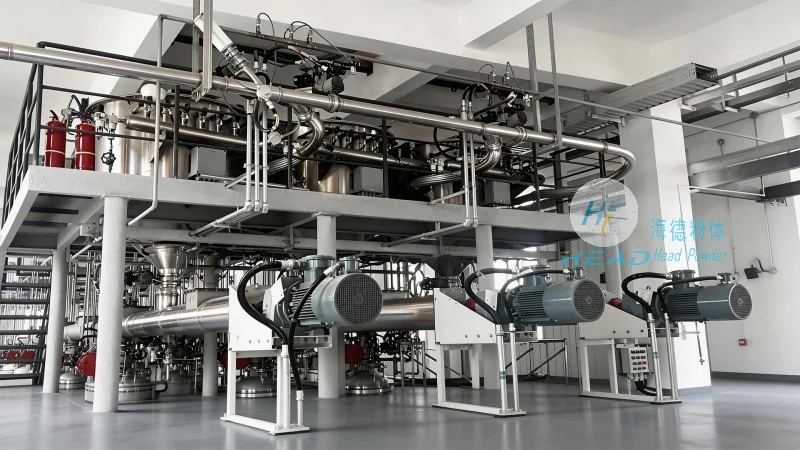
Introduction to Zinc Calcine Material Conveying Lines
Zinc calcine, a byproduct from the zinc smelting process, requires efficient transportation from processing units to subsequent treatment or storage facilities. The conveying line is designed to handle the bulk material with minimal loss, ensuring consistent flow and safety in industrial operations. Shandong HeadPowder Engineering Co., Ltd. specializes in developing customized conveying systems tailored to the specific characteristics of zinc calcine, including its particle size, moisture content, and handling requirements.
Key Components of the Conveying System
The zinc calcine material conveying line typically consists of several critical components that work in tandem to ensure smooth material transport. These include feed hoppers, conveyor belts or buckets, drive mechanisms, tensioning systems, and control panels. Each component plays a vital role in maintaining the integrity of the material and the efficiency of the conveying process.
Feed hoppers are used to collect and store the zinc calcine before it is fed into the conveyor system. They are designed to handle bulk material and provide a controlled feed rate to the conveyor. The conveyor itself, which can be a belt conveyor or a bucket elevator, is responsible for transporting the material horizontally or vertically. Drive mechanisms, such as electric motors and gearboxes, provide the necessary power to move the conveyor, while tensioning systems ensure the belt or buckets maintain proper tension to prevent slippage or damage. Control panels allow operators to monitor and adjust the system parameters, ensuring optimal performance.
Operation Process of the Conveying Line
The operation of a zinc calcine material conveying line involves a series of sequential steps that ensure the material is transported safely and efficiently. The process begins with the material being loaded into the feed hopper. From there, the material is discharged into the conveyor, which then transports it to the desired destination. The conveyor system is designed to handle the material's characteristics, such as its density and flowability, to maintain a consistent flow rate. The system may include multiple sections, such as horizontal and vertical conveyors, to cover the required distance and elevation changes.
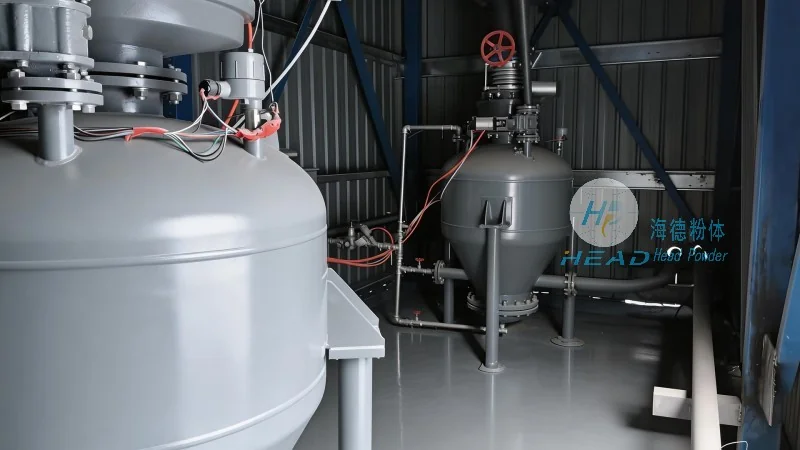
During operation, the feed rate is controlled to prevent overloading or underloading of the conveyor. The tensioning system is adjusted to maintain proper belt or bucket tension, which is critical for preventing material spillage and ensuring smooth movement. The control panel allows operators to monitor the system's performance, including conveyor speed, material level, and any potential issues. In case of an emergency, the system is equipped with safety features, such as emergency stop buttons, to ensure the safety of personnel and equipment.
Working Principle of the Conveying System
The working principle of a zinc calcine material conveying line is based on the mechanical transfer of material using conveyor belts or buckets. The conveyor system uses a continuous loop of material carriers (belts or buckets) that are driven by a motor. As the motor rotates, the carriers move the material from the feed point to the discharge point. The speed of the conveyor is controlled to maintain the desired flow rate, and the tensioning system ensures the carriers remain taut and functional.
For vertical conveying, bucket elevators are commonly used, which lift the material in buckets attached to a chain or belt. The buckets are filled at the bottom and emptied at the top, allowing the material to be transported vertically with minimal spillage. Horizontal conveyors, on the other hand, use belts that move the material along a horizontal path, often with idlers to support the belt and maintain tension. The design of the conveyor system is tailored to the specific requirements of zinc calcine, including its particle size and flow characteristics, to ensure efficient and reliable operation.
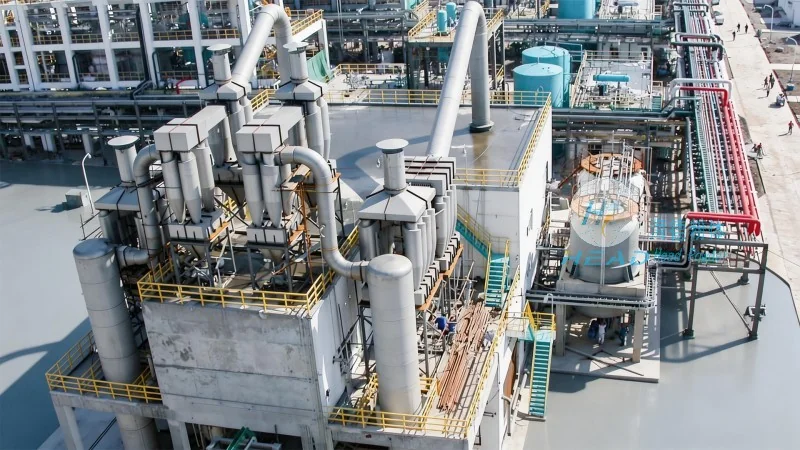
Benefits of Using a Zinc Calcine Material Conveying Line
Implementing a zinc calcine material conveying line offers several benefits for industrial operations. Firstly, it improves material handling efficiency by reducing the time and labor required to transport bulk material. The automated system minimizes human intervention, leading to increased productivity and reduced operational costs. Secondly, the system ensures consistent material flow, which is essential for maintaining the quality of the final product. The controlled feed rate and tensioning systems prevent material degradation or loss, ensuring the material reaches its destination in optimal condition.
Thirdly, the conveying line enhances safety in industrial operations. By automating the material transport process, the risk of accidents caused by manual handling is significantly reduced. The system is equipped with safety features, such as emergency stop buttons and overload protection, to prevent equipment damage and protect personnel. Additionally, the enclosed design of the conveyor system minimizes dust and particulate emissions, contributing to a cleaner and safer working environment.
Customization and Maintenance
Shandong HeadPowder Engineering Co., Ltd. offers customized conveying solutions tailored to the specific needs of zinc calcine material handling. The company considers factors such as the material's characteristics, the required conveying distance, and the operational environment when designing the system. This ensures that the conveying line is optimized for the specific application, maximizing efficiency and minimizing maintenance requirements.
Maintenance of the zinc calcine material conveying line is crucial for ensuring long-term reliability. Regular inspections and maintenance of the components, such as the conveyor belt, drive mechanisms, and tensioning systems, are essential to prevent breakdowns and extend the system's lifespan. The company provides maintenance services and spare parts to support its clients, ensuring that the conveying line operates at peak performance.