

Operation Process and Working Principle of Glass Particle Material Conveying Line
Shandong HeadPowder Engineering Co., Ltd. specializes in the design, manufacturing, and installation of advanced material handling systems, including the glass particle material conveying line. This system is engineered to efficiently transport glass particles from storage to processing areas with precision and reliability. The following sections detail the operational process and underlying principles that ensure optimal performance.
Key Components of the Conveying System
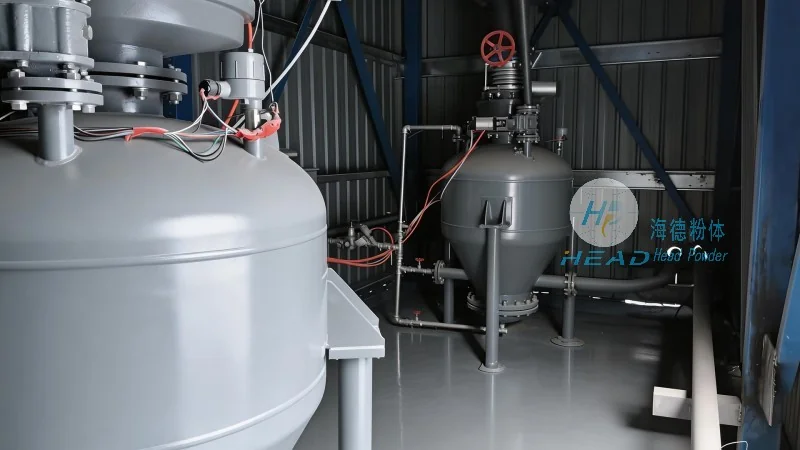
The glass particle material conveying line typically consists of several core components that work in tandem to facilitate smooth material movement. These include feed hoppers, conveyor belts or chains, drive mechanisms, control panels, and discharge chutes. Each component is carefully selected and integrated to handle the unique characteristics of glass particles, such as their lightweight, abrasive nature, and potential for static charge accumulation. The feed hopper is designed to evenly distribute the glass particles into the conveyor system, preventing blockages and ensuring consistent flow. The conveyor mechanism, whether belt-driven or chain-driven, is engineered to maintain the appropriate tension and speed to avoid material spillage or degradation. The drive system, often powered by electric motors, provides the necessary force to move the particles through the line. The control panel allows operators to monitor and adjust parameters like speed, pressure, and flow rate, ensuring the system operates within optimal conditions. Finally, the discharge chute directs the glass particles to the next processing stage, maintaining a continuous and controlled output.
Operation Process: Step-by-Step Workflow
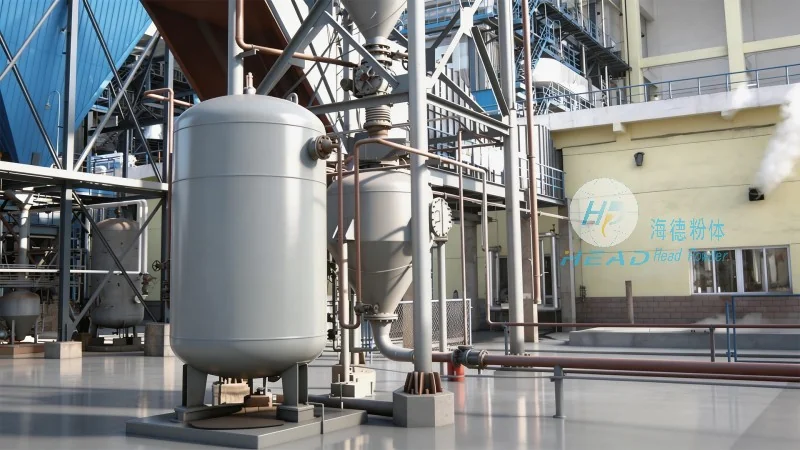
The operation of the glass particle material conveying line follows a systematic workflow that ensures efficient material handling. The process begins with the loading of glass particles into the feed hopper. The hopper’s design, often equipped with a vibrating mechanism, helps to break up any agglomerates and promote uniform feeding. Once the particles are properly distributed, they are transferred to the conveyor belt or chain. The conveyor system moves the particles forward at a controlled speed, which is adjustable based on the particle size and desired throughput. As the particles travel along the conveyor, they may pass through additional components such as screening or sorting devices, which can be integrated into the line to enhance material quality. The discharge chute then collects the processed particles and directs them to the next stage of production, such as grinding or packaging. Throughout the process, sensors and monitoring systems track key parameters like flow rate, temperature, and particle size distribution, providing real-time feedback to operators. This allows for immediate adjustments to maintain consistent performance and prevent downtime.
Working Principle: Mechanical and Control Systems
The working principle of the glass particle material conveying line is rooted in mechanical engineering and control technology. The system relies on the principles of gravity and mechanical force to move the particles. The feed hopper uses gravity to feed the particles into the conveyor, while the conveyor mechanism applies a continuous force to transport them forward. The drive system, powered by electric motors, converts electrical energy into mechanical energy, enabling the conveyor to operate at the required speed. The control panel integrates sensors and actuators to regulate the system’s operation. For example, flow sensors detect the rate of particle movement, and the control system adjusts the conveyor speed to maintain a steady flow. Additionally, the system may incorporate features like variable frequency drives (VFDs) to optimize energy consumption and reduce wear on components. The use of closed-loop control ensures that the system adapts to changes in material characteristics or operational conditions, maintaining consistent performance. This combination of mechanical and electronic components ensures that the glass particle material conveying line operates efficiently and reliably, minimizing downtime and maximizing productivity.
Advantages and Applications
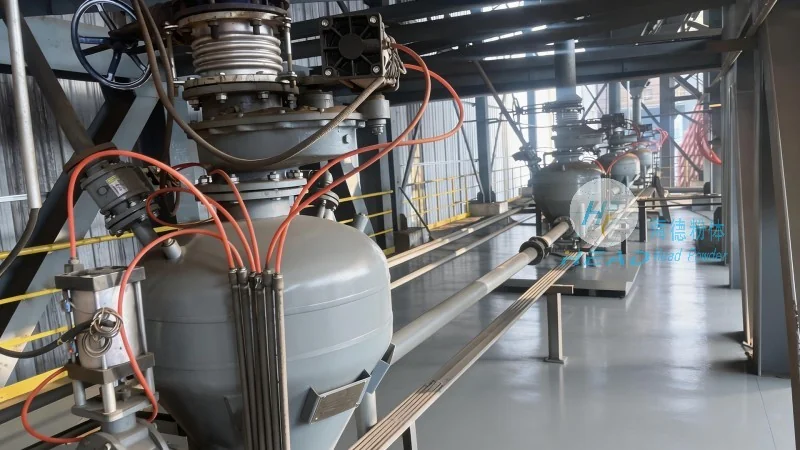
The glass particle material conveying line offers several advantages that make it suitable for various industrial applications. Its design allows for the handling of glass particles with different sizes and shapes, from fine powders to larger fragments. The system’s ability to maintain a consistent flow rate ensures that downstream processes, such as grinding or packaging, receive a steady supply of material, reducing bottlenecks and improving overall production efficiency. The integration of control systems provides operators with real-time monitoring and adjustment capabilities, enhancing process control and reducing the risk of material waste. Additionally, the system’s compact design and modular construction make it easy to install and integrate into existing production lines. It is commonly used in glass manufacturing facilities, where it transports raw glass particles to furnaces or processing equipment. The system’s durability and resistance to abrasion also make it suitable for high-volume production environments, where it can operate continuously for extended periods without significant maintenance.