

Operation Process and Working Principle of Carbon Black and Coal Powder Material Conveying Lines
Carbon black and coal powder are essential raw materials in various industrial applications, such as rubber, plastics, and coatings. Efficient and reliable material conveying systems are crucial for maintaining production efficiency and ensuring product quality. This article provides a detailed overview of the operation process and working principle of carbon black and coal powder material conveying lines, highlighting the key components, operational procedures, and technical considerations involved. The expertise of Shandong HeadPowder Engineering Co., Ltd. (headpowder) is instrumental in designing and implementing such systems, ensuring optimal performance and safety for industrial applications.
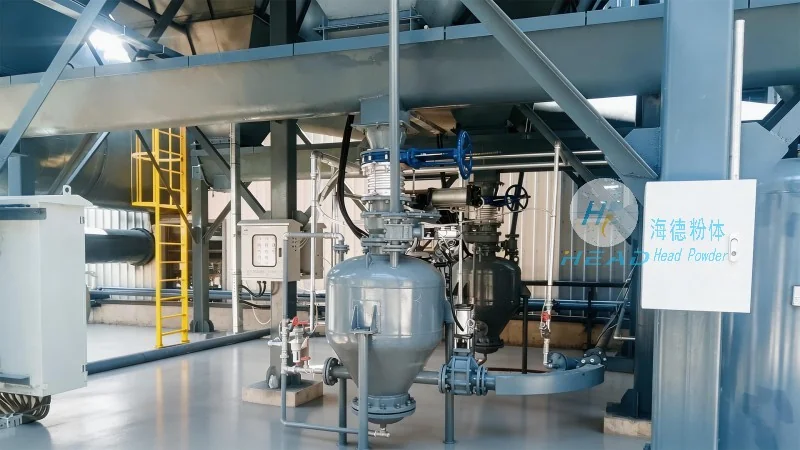
Key Components of the Conveying System
The carbon black and coal powder material conveying line typically consists of several core components that work in tandem to transport the material from the source to the destination. These components include feed hoppers, conveyor belts or screw conveyors, dust collection systems, control panels, and discharge mechanisms. Each component plays a vital role in ensuring the smooth and safe operation of the system.
Working Principle of the Conveying Process
The operation of the carbon black and coal powder material conveying line begins with the material being fed into the feed hopper. The hopper is designed to store and regulate the flow of the material, preventing overloading and ensuring a consistent feed rate. From the hopper, the material is transferred to the conveyor system, which can be either a belt conveyor or a screw conveyor, depending on the specific application and material characteristics.
For carbon black and coal powder, which are fine and dusty materials, a belt conveyor is often preferred due to its ability to handle high volumes and minimize material degradation. The conveyor belt is typically made of a durable material, such as rubber or polyurethane, to resist abrasion and prevent material buildup. The screw conveyor, on the other hand, is suitable for materials that are more cohesive or require a more controlled discharge rate.
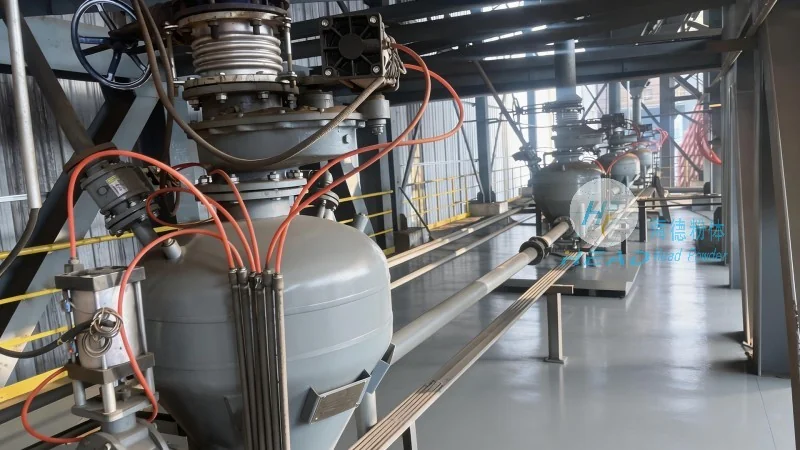
Control and Monitoring Systems
Modern carbon black and coal powder material conveying lines are equipped with advanced control and monitoring systems to ensure optimal performance. These systems include sensors for level detection, flow measurement, and temperature monitoring. The control panel allows operators to adjust the conveyor speed, feed rate, and other parameters in real-time, ensuring that the system operates within safe and efficient limits.
Dust collection systems are also an integral part of the conveying line, as carbon black and coal powder are known to generate significant dust during handling. These systems typically use bag filters or cartridge filters to capture and remove airborne particles, preventing dust contamination and ensuring a safe working environment.
Operational Procedures and Safety Measures
The operation of the carbon black and coal powder material conveying line follows a standardized procedure to ensure consistency and safety. The process begins with the preparation of the system, which includes checking the conveyor belt tension, ensuring the dust collection system is operational, and verifying the control panel settings. Once the system is ready, the material is fed into the hopper, and the conveyor is started at a low speed to allow the material to settle and the system to stabilize.
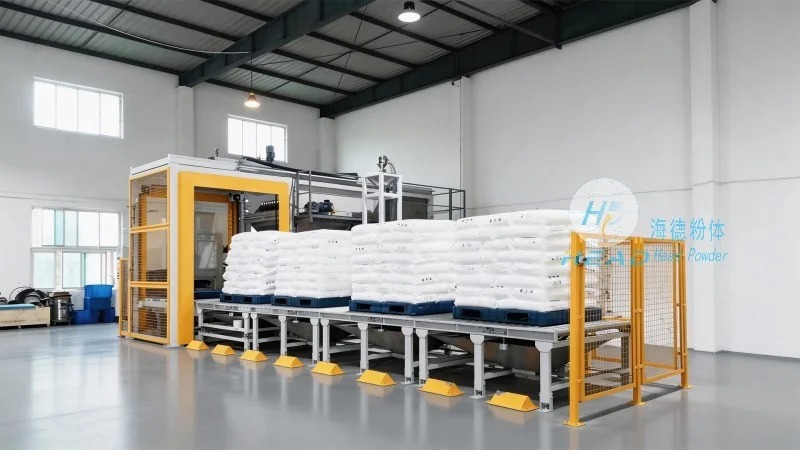
During operation, operators monitor the system for any signs of abnormal behavior, such as excessive vibration, unusual noise, or material blockages. If any issues are detected, the conveyor is stopped immediately, and the problem is addressed before resuming operation. Regular maintenance is also essential to prevent equipment failure and ensure the longevity of the system. This includes cleaning the conveyor belt, replacing worn parts, and inspecting the dust collection system.
Technical Considerations and Performance Optimization
Several technical considerations are important for optimizing the performance of carbon black and coal powder material conveying lines. One key factor is the material's properties, such as its particle size, moisture content, and flowability. These properties affect the choice of conveyor type and the design of the hopper and discharge mechanisms. For example, fine carbon black particles may require a more gentle handling system to prevent agglomeration and material degradation.
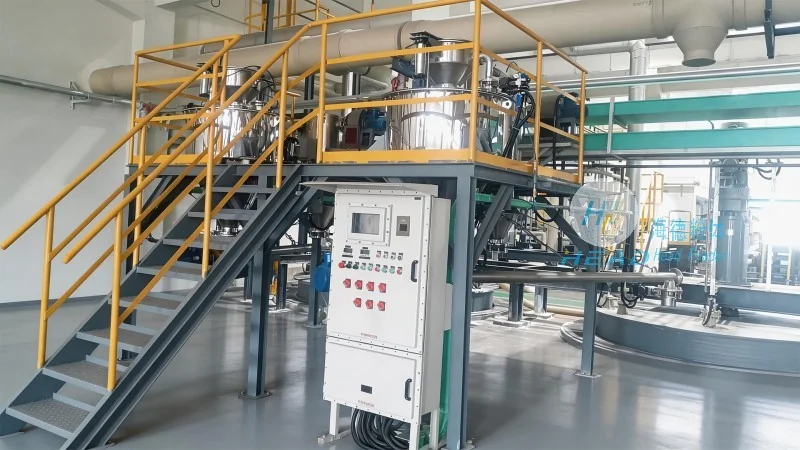
Another important consideration is the system's capacity and throughput. The conveyor speed and feed rate are adjusted based on the required production rate and the material's flow characteristics. Proper sizing of the conveyor belt or screw diameter is crucial to ensure that the system can handle the expected volume without overloading or causing material spillage.
Energy efficiency is also a key consideration in modern material handling systems. The use of variable frequency drives (VFDs) allows for adjustable conveyor speeds, reducing energy consumption during low-demand periods. Additionally, the design of the system to minimize material friction and air resistance can improve overall efficiency and reduce operational costs.
Conclusion
Carbon black and coal powder material conveying lines are critical components in many industrial processes, enabling the efficient and safe transport of these essential raw materials. By understanding the operation process and working principle of these systems, as well as the key components and technical considerations involved, manufacturers can optimize their material handling operations and ensure consistent product quality. The expertise of Shandong HeadPowder Engineering Co., Ltd. (headpowder) plays a vital role in designing and implementing these systems, providing reliable solutions for the material conveying needs of various industries.