

Operation Process and Working Principle of Synthetic Fiber Material Conveying Lines
For industries dealing with synthetic fibers, efficient material handling is crucial to maintaining production efficiency and product quality. Synthetic fiber material conveying lines, as advanced solutions provided by Shandong HeadPowder Engineering Co., Ltd. (headpowder), integrate sophisticated technology to streamline the transport of these lightweight and often abrasive materials. This article will delve into the operation process and working principles of such systems, highlighting how they enhance operational performance and reliability.
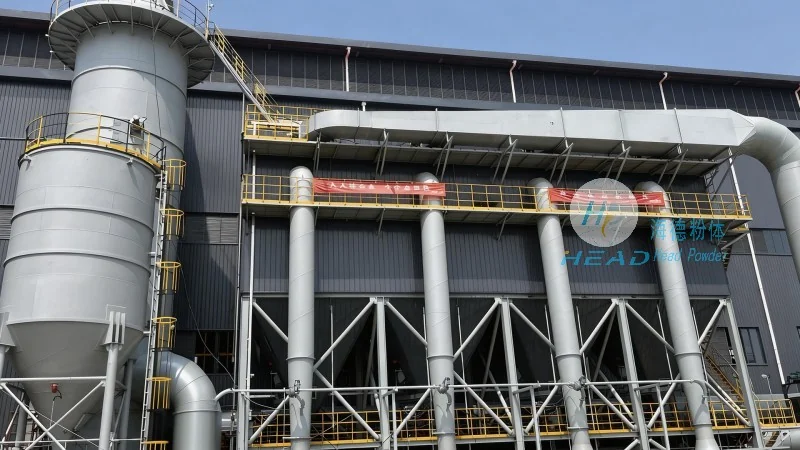
Overview of Synthetic Fiber Material Conveying Lines
Synthetic fiber material conveying lines are specialized systems designed to transport raw or processed synthetic fibers from one processing stage to another within a manufacturing facility. These lines are engineered to handle materials like polyester, nylon, acrylic, and other synthetic polymers, which can present unique challenges due to their lightweight nature, tendency to generate static electricity, and potential for entanglement or dust generation. The systems are typically customized to meet the specific requirements of each client, ensuring optimal performance in diverse industrial applications.
The Core Components and Their Functions
At the heart of a synthetic fiber material conveying line are several key components that work in tandem to ensure smooth operation. These include feed hoppers, which collect and store the raw fibers; conveyor mechanisms such as belt conveyors, screw conveyors, or pneumatic conveying systems; and control units that regulate the flow and speed of material transport. Each component plays a critical role in maintaining the integrity of the fibers and preventing damage or degradation during transit.
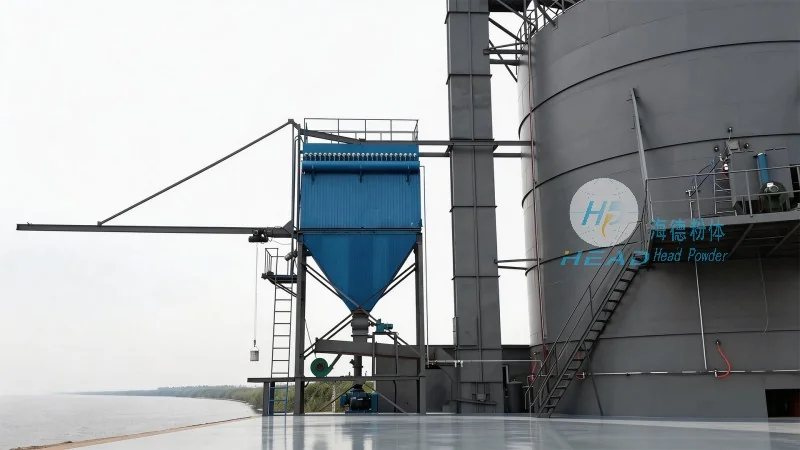
Operation Process: Step-by-Step Workflow
The operation of a synthetic fiber material conveying line follows a systematic workflow that ensures consistent and reliable material movement. The process typically begins with the loading of raw synthetic fibers into the feed hopper. From there, the material is transferred to the primary conveyor system, which may involve a combination of mechanical and pneumatic components to move the fibers through the line. As the fibers travel, they may pass through additional processing stages, such as cleaning, sorting, or blending, before reaching the discharge point. The entire process is monitored by advanced control systems that adjust parameters like speed and pressure to maintain optimal performance.
Working Principle: How the System Operates
The working principle of synthetic fiber material conveying lines is based on the efficient transfer of material using mechanical or pneumatic forces. Mechanical conveyors, like belt or screw systems, rely on physical contact and friction to move fibers, while pneumatic systems utilize air pressure to create a flow of material through pipes. Both methods are designed to minimize material degradation and maintain the quality of the synthetic fibers. The control systems in these lines use sensors and feedback mechanisms to adjust the conveying rate, ensuring that the material moves at a consistent speed and volume. This integration of technology allows for precise control over the entire conveying process, reducing downtime and improving overall productivity.
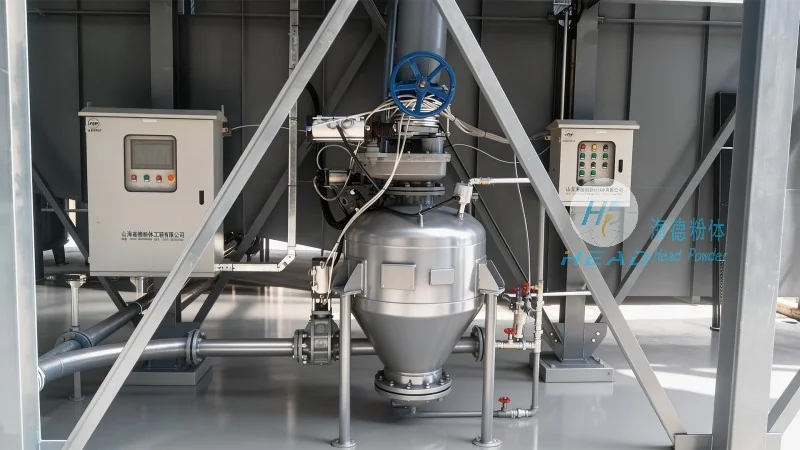
Benefits and Advantages for Industrial Applications
Implementing synthetic fiber material conveying lines offers numerous benefits for industrial operations. These systems enhance production efficiency by reducing manual handling and minimizing the risk of material loss or contamination. They also improve product quality by maintaining the integrity of the fibers throughout the transport process. Additionally, the advanced control systems provide real-time monitoring and data analysis, enabling operators to identify and address issues promptly. For companies like Shandong HeadPowder Engineering Co., Ltd., these systems are tailored to meet the specific needs of each client, ensuring that the benefits are maximized and operational costs are minimized.
Conclusion: Enhancing Efficiency in Synthetic Fiber Manufacturing
Synthetic fiber material conveying lines, as developed by Shandong HeadPowder Engineering Co., Ltd., represent a sophisticated solution for efficient material handling in the synthetic fiber industry. By understanding the operation process and working principles of these systems, manufacturers can optimize their production lines, improve product quality, and enhance overall operational efficiency. The integration of advanced technology and customized design ensures that these conveying lines meet the unique challenges of synthetic fiber processing, providing reliable and effective solutions for modern industrial applications.