

Operation Process and Working Principle of Polyethylene Powder Material Conveying Line
For industries dealing with polyethylene powder, efficient material handling is crucial to maintain production efficiency and ensure product quality. The polyethylene powder conveying line, as a specialized system designed for transporting polyethylene powder, plays a vital role in various production processes. This article will delve into the operation process and working principle of such a conveying line, providing a comprehensive understanding of its functionality and application.
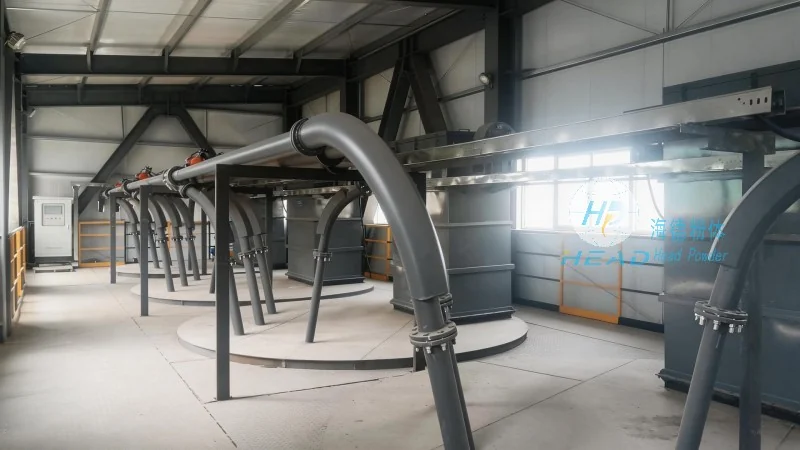
Overview of Polyethylene Powder Conveying Line
The polyethylene powder conveying line, designed and manufactured by Shandong HeadPowder Engineering Co., Ltd., is a specialized system engineered to transport polyethylene powder from storage or processing areas to the next stage of production. It typically consists of components like hoppers, feeders, conveyors, and control systems. The design of this line is tailored to handle the unique properties of polyethylene powder, such as its fine particle size and potential for static electricity, ensuring safe and efficient material transfer.
Key Components of the Conveying System
Several key components work together to ensure the smooth operation of the polyethylene powder conveying line. The first component is the hopper, which serves as the storage and feeding unit. It is designed with a sloped bottom to facilitate the flow of powder into the feeder. The feeder, often a rotary or vibratory type, controls the flow rate of the polyethylene powder, preventing overloading and ensuring a consistent feed to the conveyor. The conveyor itself, commonly a screw or pneumatic conveyor, transports the powder through the system. Additionally, a control system monitors and regulates the operation, adjusting parameters like speed and pressure to maintain optimal performance.
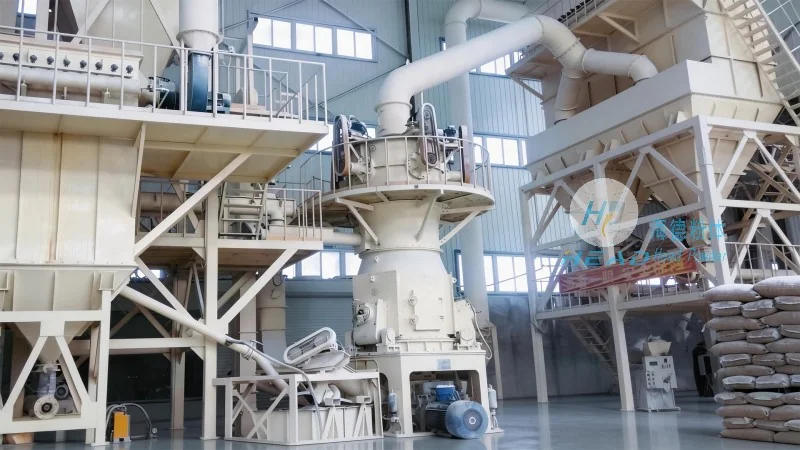
Operation Process of the Conveying Line
The operation process of the polyethylene powder conveying line begins with the loading of polyethylene powder into the hopper. The powder is then fed into the conveyor system through the feeder. The conveyor transports the powder to the desired destination, such as a processing machine or storage silo. Throughout the process, the control system continuously monitors the flow rate, pressure, and other parameters to ensure the system operates within safe and efficient limits. If any issues arise, such as blockages or variations in flow, the control system triggers alerts or automatic adjustments to maintain the integrity of the operation.
Working Principle of the Conveying Line
The working principle of the polyethylene powder conveying line is based on the principles of material flow and mechanical transport. The hopper provides a stable supply of polyethylene powder, while the feeder regulates the flow to match the conveyor's capacity. The conveyor then uses mechanical or pneumatic forces to move the powder through the system. For example, a screw conveyor uses rotating screws to push the powder forward, while a pneumatic conveyor uses compressed air to create a flow of powder through a pipe. The control system ensures that all components operate in harmony, maintaining the balance between input and output to prevent material accumulation or depletion.
Technical Considerations and Safety Measures
When operating a polyethylene powder conveying line, several technical considerations and safety measures are essential. One of the primary concerns is the prevention of static electricity, as polyethylene powder can generate static charges during handling. To mitigate this, anti-static materials and grounding systems are used in the hopper and conveyor components. Additionally, the system must be designed to handle the dust and potential clogging issues associated with polyethylene powder. Regular maintenance, including cleaning and inspection of the hopper and conveyor, is crucial to prevent blockages and ensure long-term reliability. The control system also includes safety features like emergency stop buttons and overload protection to safeguard operators and equipment.
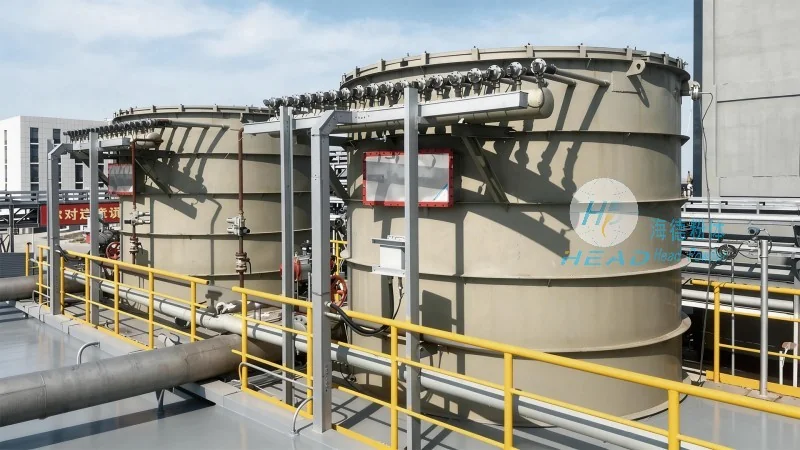
Application and Benefits
The polyethylene powder conveying line is widely used in industries such as plastics manufacturing, chemical processing, and food processing. Its ability to handle fine powders efficiently and safely makes it an essential component in production lines. The benefits of using such a system include improved production efficiency, reduced labor costs, and enhanced product quality. By ensuring a consistent and controlled flow of polyethylene powder, the conveying line helps maintain the uniformity of the final product, reducing defects and waste. Furthermore, the system's design allows for easy integration into existing production facilities, making it a versatile solution for various industrial applications.
Conclusion
In conclusion, the polyethylene powder conveying line is a sophisticated system that plays a critical role in the efficient handling of polyethylene powder. Its operation process, which involves the coordinated work of hoppers, feeders, conveyors, and control systems, ensures the safe and reliable transport of material. The working principle, based on mechanical and pneumatic forces, allows for precise control over the flow rate and direction of the powder. With proper design and maintenance, this system provides significant benefits to industries dealing with polyethylene powder, including improved efficiency, reduced costs, and enhanced product quality. As a key component in modern production lines, the polyethylene powder conveying line continues to be an essential technology for maintaining high standards in material handling.