

Operation Process and Working Principle of Wet Ammonium Nitrate Material Conveying Line
This section introduces the significance of efficient conveying systems for wet ammonium nitrate, a critical material in various industrial applications. The focus is on the operational efficiency and technical design of conveying lines, which are essential for handling this material safely and effectively. The article will explore the components, processes, and principles that underpin such systems, providing a comprehensive overview for professionals in the field.
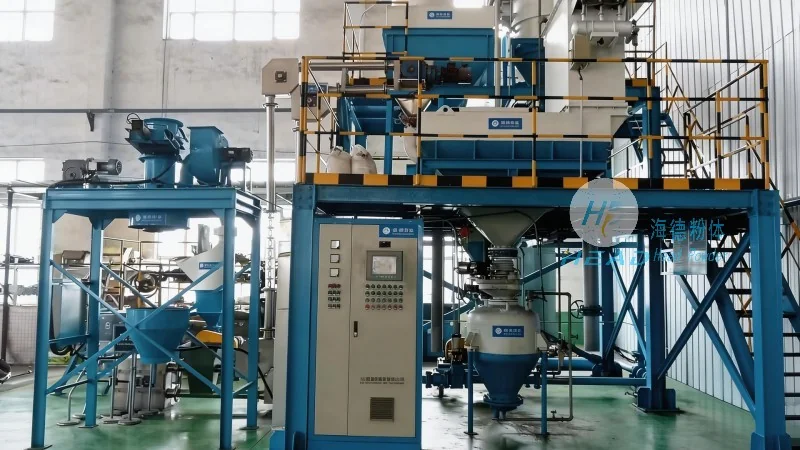
Company Overview: Shandong HeadPowder Engineering Co., Ltd.
As a leading engineering firm based in Shandong, China, Shandong HeadPowder Engineering Co., Ltd. specializes in the design, manufacturing, and implementation of advanced material handling solutions. With a strong commitment to innovation and quality, the company has established itself as a trusted partner in the chemical and industrial sectors. HeadPowder's expertise lies in developing customized conveying systems tailored to the unique requirements of wet ammonium nitrate, ensuring optimal performance and safety.
Key Components and System Architecture
The wet ammonium nitrate conveying line typically consists of several critical components that work in harmony to transport the material. These include feed hoppers, conveyor belts or screw conveyors, control systems, and safety mechanisms. The system architecture is designed to handle the specific properties of wet ammonium nitrate, such as its moisture content and potential for caking, ensuring smooth and continuous operation. Each component is strategically integrated to maximize efficiency and minimize downtime.
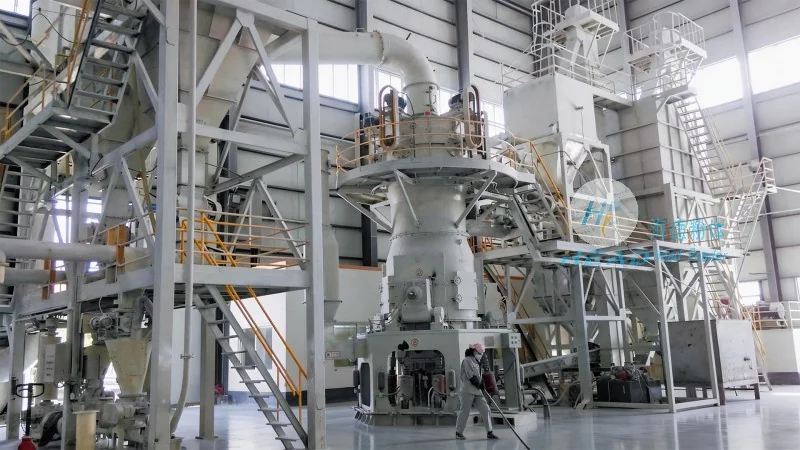
Operation Process: Step-by-Step Execution
The operation of the wet ammonium nitrate conveying line follows a systematic process that ensures consistent and reliable material transport. The process begins with the material being loaded into the feed hopper, where it is evenly distributed before entering the conveyor system. The conveyor then transports the material through the line, with the control system monitoring parameters like speed, pressure, and moisture levels. At key points, the material may be processed or transferred to other equipment, such as storage tanks or processing units. The entire operation is automated, with real-time monitoring and adjustments to maintain optimal performance.
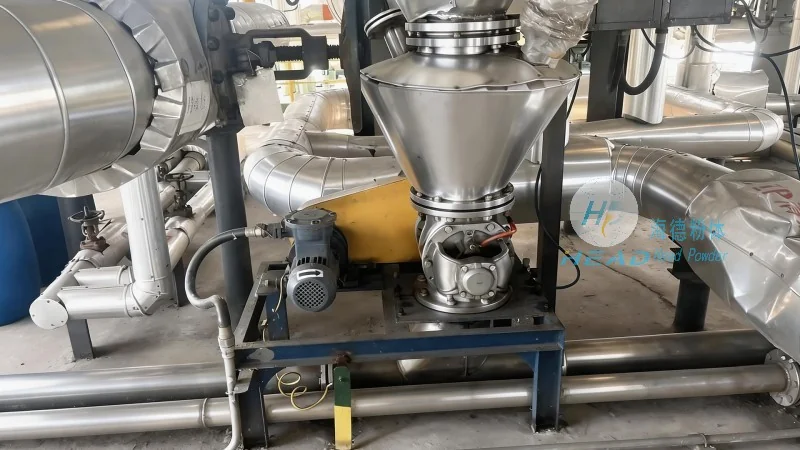
Working Principle: Technical Foundations
The working principle of the wet ammonium nitrate conveying line is based on mechanical and hydraulic systems that facilitate the movement of the material. The conveyor system uses either belt or screw mechanisms to move the material along the designated path. The control system regulates the speed and direction of the conveyor, ensuring that the material is transported at the appropriate rate. Safety features, such as emergency stops and overload protection, are integrated into the system to prevent accidents and ensure the well-being of operators. The design of the system takes into account the material's physical properties, such as its density and flow characteristics, to optimize the conveying process.
Application and Industry Relevance
Wet ammonium nitrate is widely used in the agricultural and chemical industries, making efficient conveying systems crucial for its handling. The conveying line developed by Shandong HeadPowder Engineering Co., Ltd. is designed to meet the demands of these industries, providing a reliable solution for material transport. The system's adaptability allows it to be integrated into existing production lines or used as a standalone unit, enhancing operational efficiency and reducing costs. By leveraging advanced engineering and design, HeadPowder's conveying line ensures that wet ammonium nitrate is handled safely and effectively, supporting the needs of various industrial applications.