

Operation Process and Working Principle of Gray Tank Truck Material Conveying Lines
Gray tank truck material conveying lines are integral to modern industrial material handling, facilitating the efficient transport of bulk materials between storage, processing, and distribution points. These systems are widely utilized in sectors such as mining, construction, and chemical processing, where the movement of large volumes of materials is critical to operational efficiency. The design and operation of these lines are tailored to handle diverse material types, including powders, granules, and liquids, ensuring safe and reliable transport. Understanding the operation process and working principle is essential for optimizing system performance, minimizing downtime, and enhancing overall productivity in material handling operations.
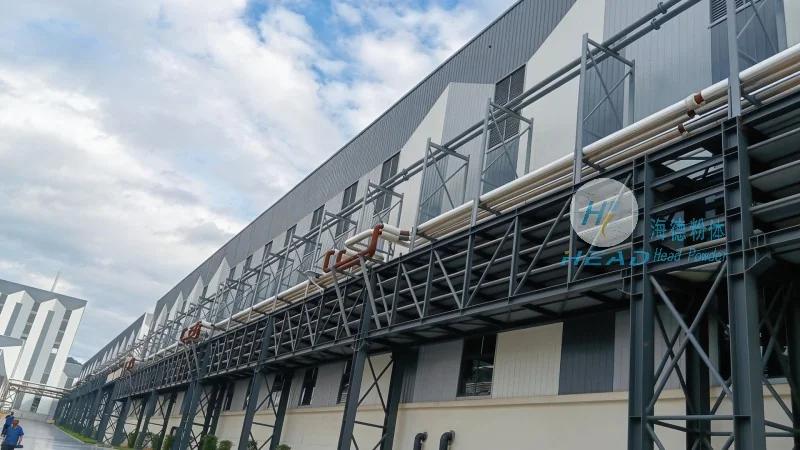
About Shandong HeadPowder Engineering Co., Ltd.
Shandong HeadPowder Engineering Co., Ltd., operating under the brand name HeadPowder, is a leading enterprise specializing in the research, development, and manufacturing of advanced material handling solutions. With a strong commitment to innovation and quality, HeadPowder has established itself as a trusted partner in the industry, providing customized systems that meet the unique requirements of clients. The company’s headquarters is situated in Shandong, China, where it maintains a state-of-the-art facility equipped with cutting-edge technology and a dedicated team of engineers and technicians. HeadPowder’s expertise lies in designing and installing gray tank truck material conveying lines that are robust, efficient, and compliant with industry standards.
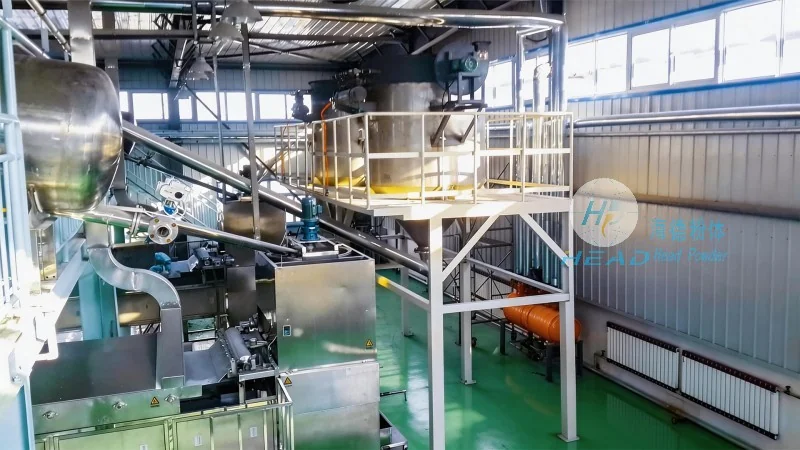
Key Components and Their Functions
The gray tank truck material conveying line comprises several key components, each playing a vital role in the overall system. The primary component is the gray tank truck itself, which serves as the container for bulk materials. These trucks are typically equipped with a hopper or discharge valve that allows for controlled material release. The truck is connected to the conveyor system via a loading or unloading mechanism, which may include a chute or a flexible hose. The conveyor system, which can be a belt conveyor, screw conveyor, or pneumatic conveyor, is responsible for transporting the material from the truck to the next processing stage. Control systems, including sensors and motors, monitor and regulate the flow rate, speed, and pressure to ensure smooth operation. Each component must be properly integrated and maintained to guarantee the line’s reliability and performance.
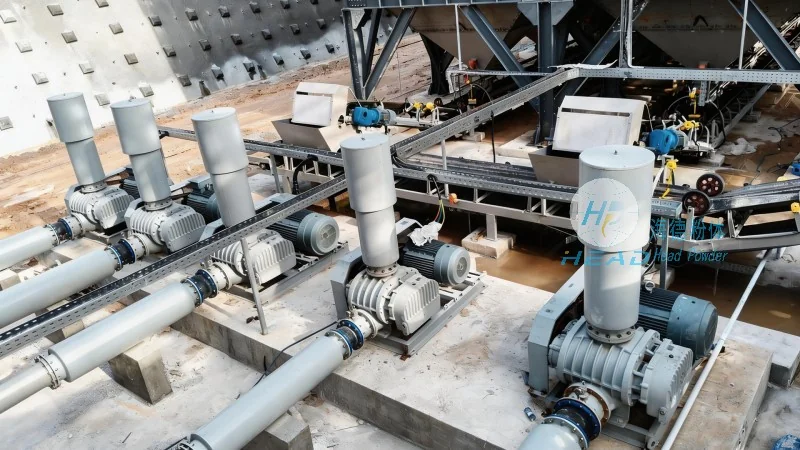
Step-by-Step Operation Process
The operation of a gray tank truck material conveying line begins with the arrival of the truck at the designated loading or unloading site. The truck is then positioned to align with the conveyor system, ensuring a secure and stable connection. This step is critical to prevent material spillage and equipment damage. Once the truck is properly positioned, the loading or unloading mechanism is activated. For loading operations, material is transferred from the truck into the conveyor; for unloading, material is discharged from the truck into the conveyor. The conveyor then transports the material to the processing or storage area. The process involves precise control of the truck’s position, the conveyor’s speed, and the material flow rate to maintain efficiency and safety. Each step is monitored by the control system, which adjusts parameters as needed to optimize performance.
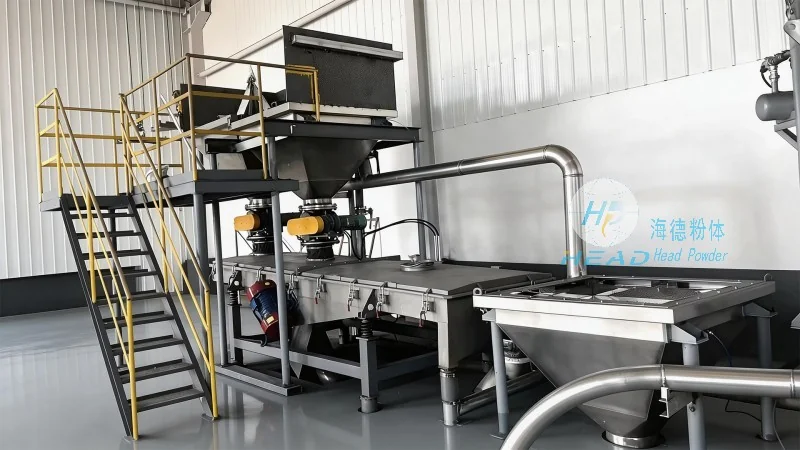
Working Principle: Mechanical and Pneumatic Systems
The working principle of gray tank truck material conveying lines varies depending on the type of conveyor system used. For mechanical systems, such as belt conveyors, the material is carried by a moving belt that is driven by an electric motor. The belt moves at a controlled speed, ensuring that the material is transported smoothly and without interruption. The belt is supported by rollers and idlers, which reduce friction and maintain the belt’s tension. For screw conveyors, a rotating screw mechanism moves the material along the conveyor. The screw’s rotation creates a pushing force that propels the material forward. Pneumatic systems, on the other hand, use compressed air to create a flow of material through a pipeline. The air pressure forces the material to move through the pipeline, which is then discharged at the end point. The working principle also involves the use of control valves and regulators to adjust the air pressure and flow rate, ensuring optimal material transport. These systems are designed to handle different material characteristics, such as density, moisture content, and abrasiveness, by selecting the appropriate conveyor type and parameters.