

Operation Process and Working Principle of Sodium Bicarbonate Material Handling System
For industrial applications requiring the efficient and reliable transport of sodium bicarbonate, the design and operation of specialized material handling systems are crucial. This article provides a detailed overview of the operation process and working principle of a sodium bicarbonate material handling system, highlighting the key components, control mechanisms, and operational procedures that ensure optimal performance. The system is engineered to meet the demands of various industrial sectors, including chemical manufacturing, food processing, and pharmaceutical production, where consistent and safe material transport is essential.
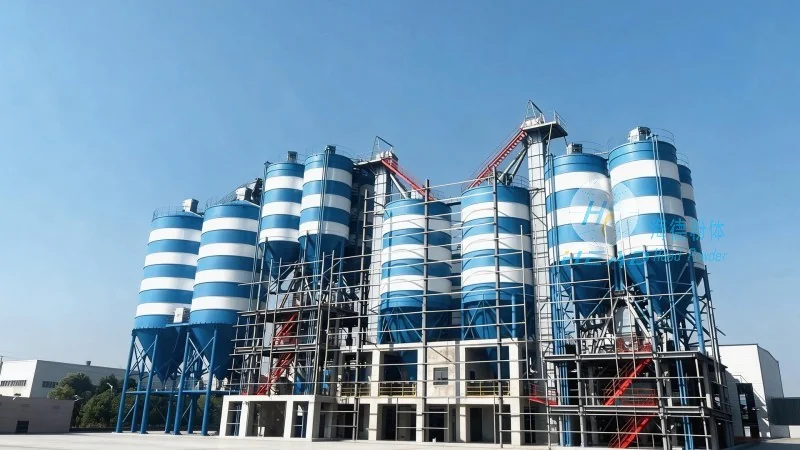
System Overview and Core Components
The sodium bicarbonate material handling system is a comprehensive solution designed to handle the unique properties of sodium bicarbonate, such as its powder form, reactivity, and handling requirements. The system typically consists of several key components that work in tandem to ensure smooth operation. These components include a hopper for material storage, a feeding mechanism (e.g., screw feeder or rotary valve) to control the flow of material, a conveyor system (e.g., belt conveyor or pneumatic conveyor) for transporting the material to the processing or packaging area, and a control panel equipped with sensors and automation controls. The system is also designed with safety features to prevent material spillage, dust generation, and operational hazards, ensuring compliance with industrial safety standards.
Operation Process: Step-by-Step Workflow
The operation of the sodium bicarbonate material handling system follows a systematic workflow that ensures efficient material transfer from storage to the final destination. The process begins with the loading of sodium bicarbonate into the hopper. The hopper is equipped with a level sensor that monitors the material level, providing feedback to the control system. Once the hopper is filled to a certain level, the feeding mechanism is activated. The screw feeder or rotary valve regulates the flow rate of the material, ensuring a consistent and controlled discharge into the conveyor system. The conveyor system then transports the material to the processing or packaging area, where it is further handled by downstream equipment. The control panel continuously monitors the system parameters, such as flow rate, pressure, and temperature, and adjusts the operation of the components as needed to maintain optimal performance. The system also includes emergency stop buttons and alarm systems to respond to any abnormal conditions, ensuring the safety of the operation.
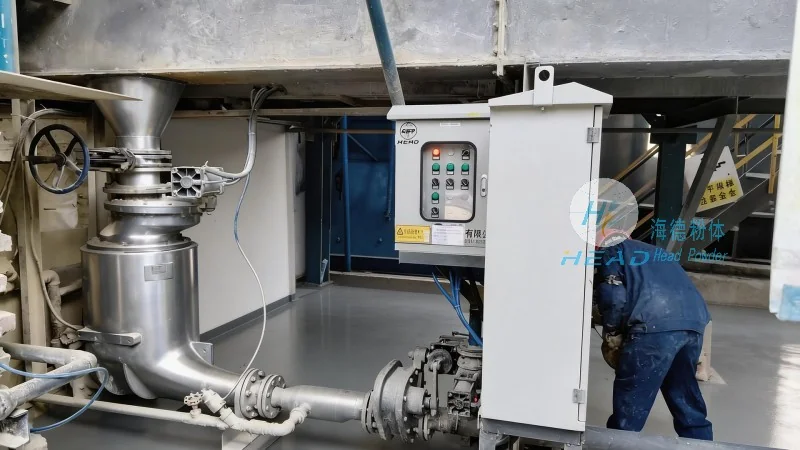
Working Principle: Mechanical and Control Mechanisms
The working principle of the sodium bicarbonate material handling system is based on mechanical and control mechanisms that work together to achieve precise material transport. The feeding mechanism, such as a screw feeder, uses a rotating screw to push the material forward, creating a positive pressure that moves the material through the system. The conveyor system, such as a belt conveyor, uses a moving belt to transport the material horizontally or at an incline, depending on the application requirements. The control panel integrates sensors (e.g., level sensors, pressure sensors, temperature sensors) and automation controls (e.g., PLC or SCADA systems) to monitor and control the system operation. The sensors provide real-time data on the system status, and the automation controls adjust the operation of the components based on the input data. For example, if the material level in the hopper decreases, the control system increases the speed of the feeding mechanism to maintain a consistent flow rate. The system also includes dust collection and filtration systems to control dust generation, ensuring a clean and safe working environment.
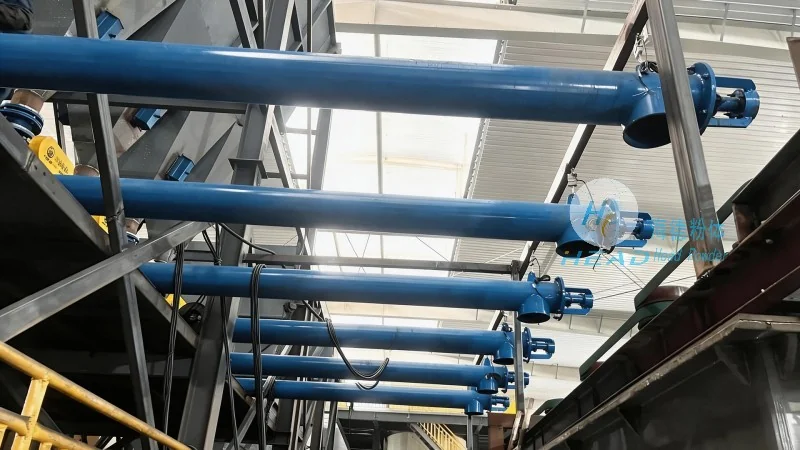
Key Features and Benefits for Industrial Applications
The sodium bicarbonate material handling system offers several key features and benefits that make it an ideal solution for industrial applications. The system is designed to handle the unique properties of sodium bicarbonate, such as its powder form and reactivity, ensuring safe and efficient transport. The mechanical and control mechanisms are engineered to provide precise control over the material flow rate, preventing overloading or underloading of downstream equipment. The system also includes safety features, such as emergency stop buttons and alarm systems, to ensure the safety of the operation. Additionally, the system is designed for easy maintenance and cleaning, with components that can be easily accessed and replaced. The system's efficiency and reliability reduce downtime and increase productivity, making it a cost-effective solution for industrial applications.
Conclusion: Ensuring Reliable Material Handling in Sodium Bicarbonate Processing
In conclusion, the operation process and working principle of the sodium bicarbonate material handling system are critical to ensuring efficient and reliable material transport in industrial applications. The system's design, components, and control mechanisms work together to provide a safe and effective solution for handling sodium bicarbonate. The key features and benefits of the system make it an ideal choice for various industrial sectors, including chemical manufacturing, food processing, and pharmaceutical production. By understanding the operation process and working principle of the system, industrial operators can optimize the system's performance, reduce downtime, and ensure the safe and efficient handling of sodium bicarbonate. The system's reliability and efficiency contribute to increased productivity and cost savings, making it a valuable asset for industrial operations.