

Operation Process and Working Principle of Corn Stalk Material Conveying System
HeadPowder, a prominent player in the agricultural machinery sector, specializes in the development and manufacturing of advanced corn stalk material conveying systems. This article provides a comprehensive overview of the operational process and working principles of such systems, emphasizing their role in modern agricultural practices and the efficiency they bring to crop residue handling.
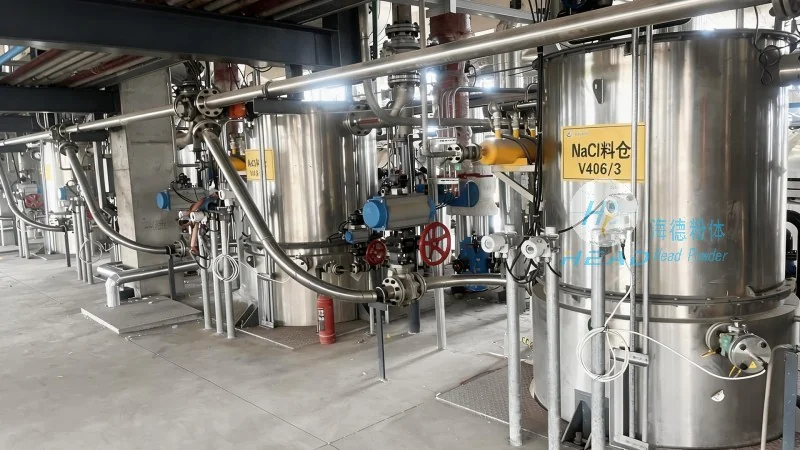
Company Overview
Shandong HeadPowder Engineering Co., Ltd., known as HeadPowder, is headquartered in Shandong, China. The company has built a strong reputation in the industry by delivering high-quality, reliable machinery tailored to the needs of farmers and agricultural enterprises. With a focus on innovation and customer-centric solutions, HeadPowder designs equipment that enhances productivity, reduces labor costs, and supports sustainable agricultural practices. The company's commitment to excellence has made it a trusted partner for those seeking efficient solutions in crop processing and material handling.
System Operation Process
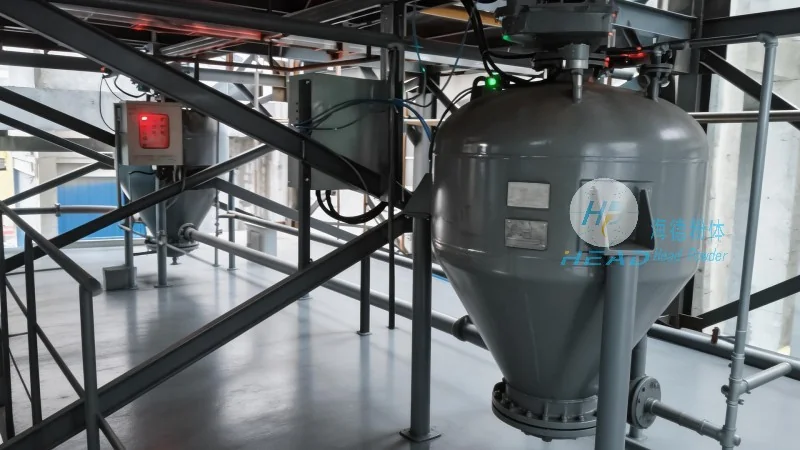
The operation of a corn stalk material conveying system begins with the collection of raw corn stalks from the field. These stalks are then transferred into a feeding hopper, which serves as the initial storage and feeding unit. From the hopper, the material is fed into the primary conveyor system, which may be a belt conveyor or a screw conveyor, depending on the system design. The conveyor transports the corn stalks horizontally or at a slight incline to the processing unit. The material is then elevated vertically using an elevator or vertical conveyor, if necessary, to reach higher processing levels. Throughout this process, the system ensures a continuous and steady flow of material, minimizing interruptions and maximizing throughput. Each step is carefully controlled to maintain the integrity of the corn stalks and prevent material loss.
Working Principle of the Conveying Mechanism
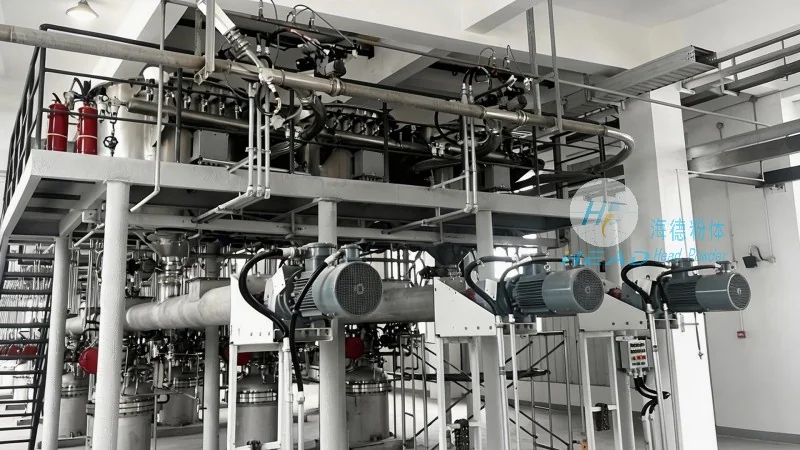
The conveying mechanism of the corn stalk material system is the heart of its operation, utilizing either mechanical or pneumatic technologies to move the material. Belt conveyors, which consist of a continuous belt supported by rollers, are commonly used for horizontal transport. The belt moves at a controlled speed, carrying the corn stalks along its path. Screw conveyors, on the other hand, use a rotating helical screw to push the material forward, making them ideal for vertical or inclined transport. These mechanisms are chosen based on the material's characteristics, such as its fibrous nature and varying dimensions, as well as the required transport distance and operational conditions. The working principle involves the transfer of kinetic energy from the conveyor to the material, ensuring efficient movement without excessive wear or damage.
Key Components and Their Functions
Several critical components are integral to the functionality of the corn stalk material conveying system. The feeding hopper is designed to collect and store the raw stalks, providing a consistent feed to the conveyor. It often includes a feeding mechanism, such as a rotary valve or a screw feeder, to regulate the flow of material. The conveyor, whether belt or screw, is responsible for the primary transport of the material. The elevator or vertical conveyor is used to lift the material to higher levels, enabling vertical transport and integration with processing units. The processing unit, which may include shredders or choppers, prepares the material for further use, such as biofuel production or animal feed. Each component is engineered to handle the specific challenges of corn stalks, including their density, moisture content, and varying sizes, ensuring optimal performance and durability.
Application and Benefits
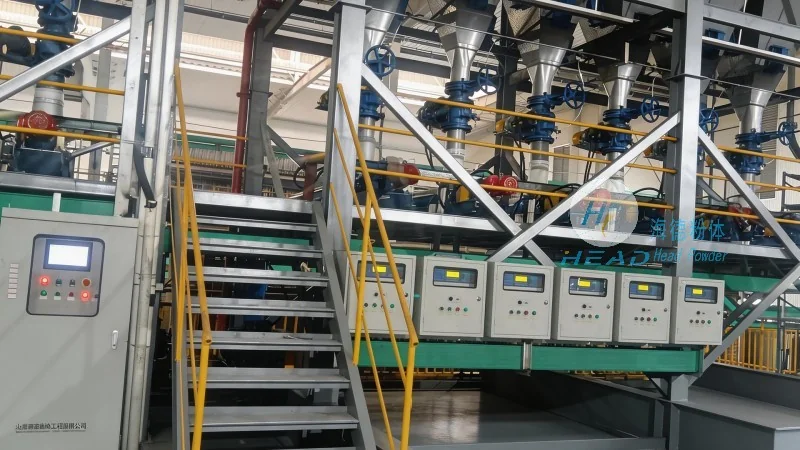
Corn stalk material conveying systems are widely applied in agricultural and industrial settings, particularly in the production of bioenergy and animal feed. By efficiently collecting and transporting corn stalks, these systems help reduce labor costs and improve the overall productivity of agricultural operations. The consistent and reliable transport of material ensures that processing units operate at optimal levels, minimizing downtime and maximizing output. Additionally, the use of advanced materials and engineering in these systems enhances their durability and longevity, providing long-term value to users. The benefits extend beyond operational efficiency, as these systems also contribute to sustainable agricultural practices by facilitating the utilization of crop residues, reducing waste and promoting circular economy principles in farming.