

Operation Process and Working Principle of Potassium Sulfate Powder Conveying Equipment
HeadPowder, a leading manufacturer based in Shandong, China, specializes in providing advanced solutions for the efficient handling and transportation of potassium sulfate powder. This article delves into the operation process and working principle of our specialized conveying equipment, designed to meet the demands of modern industrial applications.
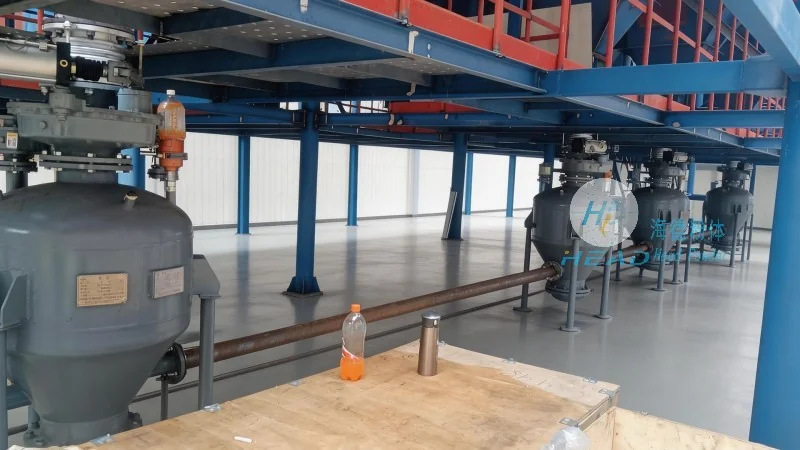
Overview of Potassium Sulfate Powder Conveying Equipment
Potassium sulfate, a crucial fertilizer and industrial chemical, requires reliable and efficient conveying systems to ensure smooth material flow from storage to processing units. The equipment developed by HeadPowder Engineering Co., Ltd. integrates advanced engineering principles to address the unique challenges associated with handling fine powders, such as dust generation, caking, and material segregation. By leveraging cutting-edge technology, our conveying systems offer high performance, low maintenance, and enhanced safety features, making them ideal for various industrial sectors including agriculture, chemical manufacturing, and food processing.
Key Components and Their Functions
The operation of potassium sulfate powder conveying equipment involves several critical components that work in tandem to ensure optimal performance. These components include the hopper, feeder, conveyor mechanism, control system, and dust collection unit. Each component plays a vital role in the overall process, contributing to the efficient and safe transportation of the material.
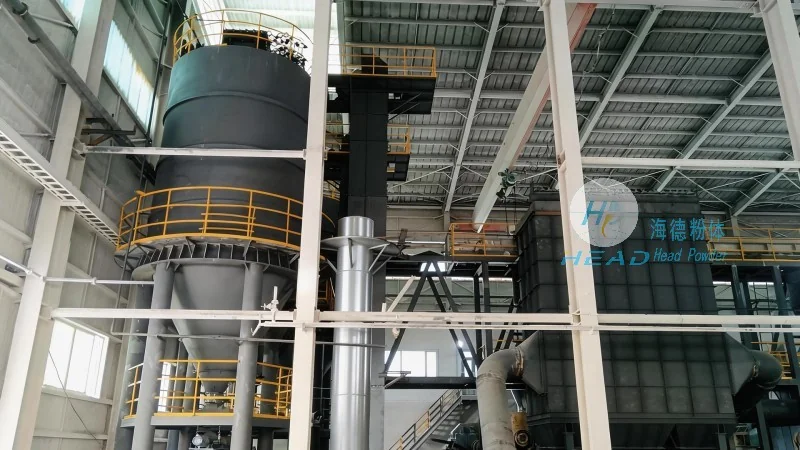
The Operation Process: Step-by-Step Breakdown
The operation process of the potassium sulfate powder conveying equipment begins with the material being loaded into the hopper. The hopper is designed to store a sufficient quantity of the powder, ensuring a continuous feed to the feeder. The feeder, typically a rotary valve or a screw feeder, regulates the flow rate of the material into the conveyor system. This controlled feeding mechanism prevents overloading and maintains a consistent flow, which is essential for preventing material blockages and ensuring smooth operation.
Once the material is fed into the conveyor, it is transported through a series of pipes or a belt system, depending on the specific design of the equipment. The conveyor mechanism, which may include screw conveyors, pneumatic conveyors, or mechanical conveyors, moves the powder from the hopper to the discharge point. The speed and direction of the conveyor are controlled by the system's control unit, which adjusts based on real-time feedback from sensors and the operational requirements.
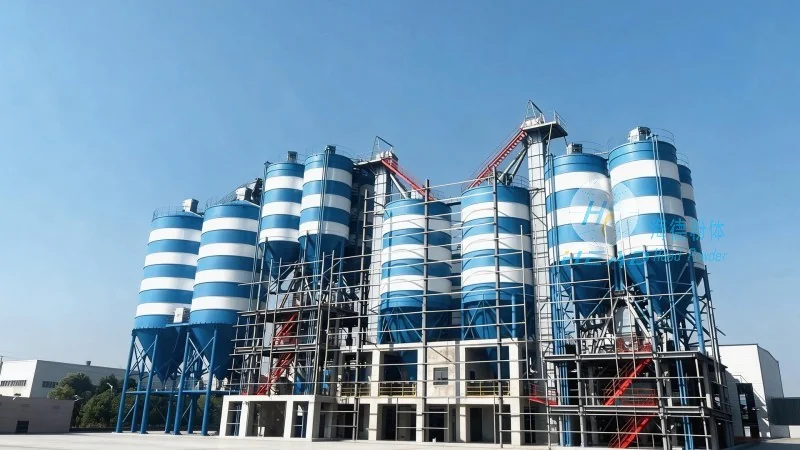
Working Principle: How the System Operates
The working principle of the potassium sulfate powder conveying equipment is based on the principles of fluidization and mechanical transport. The material is treated as a fluidized bed within the hopper and feeder, where the powder particles are kept in suspension by the air flow or mechanical agitation. This fluidization process prevents caking and ensures uniform material flow. The conveyor system then transports the fluidized powder through the pipeline, maintaining the material's suspended state to avoid blockages and ensure efficient transport.
The control system monitors key parameters such as pressure, flow rate, and temperature, providing real-time data to the operator. This allows for immediate adjustments to maintain optimal performance and prevent any potential issues. Additionally, the dust collection unit is integrated to capture any airborne particles, ensuring compliance with environmental regulations and maintaining a safe working environment.
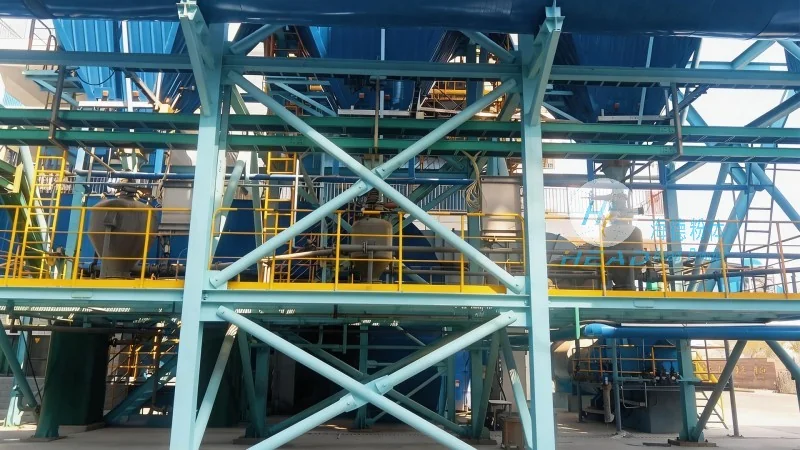
Advantages and Applications
HeadPowder's potassium sulfate powder conveying equipment offers several advantages, including high efficiency, low energy consumption, and minimal maintenance requirements. The equipment is designed to handle various particle sizes and moisture contents, making it suitable for a wide range of industrial applications. In the agricultural sector, it is used for the transportation of potassium sulfate from storage facilities to fertilizer blending plants. In chemical manufacturing, it facilitates the movement of the material between processing units, ensuring a continuous production flow. The equipment's robust design and advanced features make it a reliable choice for industries that require consistent and reliable material handling solutions.
Conclusion
HeadPowder Engineering Co., Ltd. provides state-of-the-art potassium sulfate powder conveying equipment that combines advanced technology with practical design. The operation process and working principle of this equipment ensure efficient, safe, and reliable transportation of potassium sulfate powder, meeting the demands of modern industrial applications. With its headquarters in Shandong, China, HeadPowder continues to innovate and deliver high-quality solutions to its clients, contributing to the advancement of industrial material handling technologies.