

Operation Process and Working Principle of Sodium Chloride Powder Handling Equipment
HeadPowder, a leading provider in the field of powder handling technology, specializes in the design, manufacturing, and integration of advanced equipment for the transport and processing of bulk materials. This article focuses on the operation process and working principle of a sodium chloride powder handling system, highlighting the key components and mechanisms that ensure efficient and reliable performance.
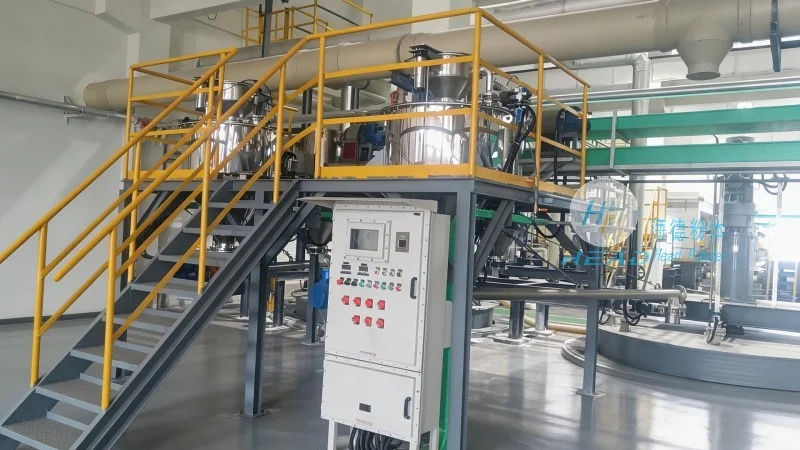
Company Profile
HeadPowder Engineering Co., Ltd. is headquartered in Shandong, China. The company has established itself as a trusted partner for industries requiring robust solutions for handling sodium chloride and other bulk powders. With a commitment to innovation and quality, HeadPowder delivers customized equipment that meets the specific demands of various applications, from industrial production to material processing.
Overview of Sodium Chloride Powder Handling Equipment
Sodium chloride, commonly known as table salt, is a widely used chemical compound in numerous industries, including food processing, pharmaceuticals, and chemical manufacturing. The efficient and safe transport of sodium chloride powder is crucial for maintaining production efficiency and product quality. The equipment designed for this purpose typically includes a combination of components such as feeders, conveyors, storage silos, and control systems, all working in tandem to ensure smooth material flow.
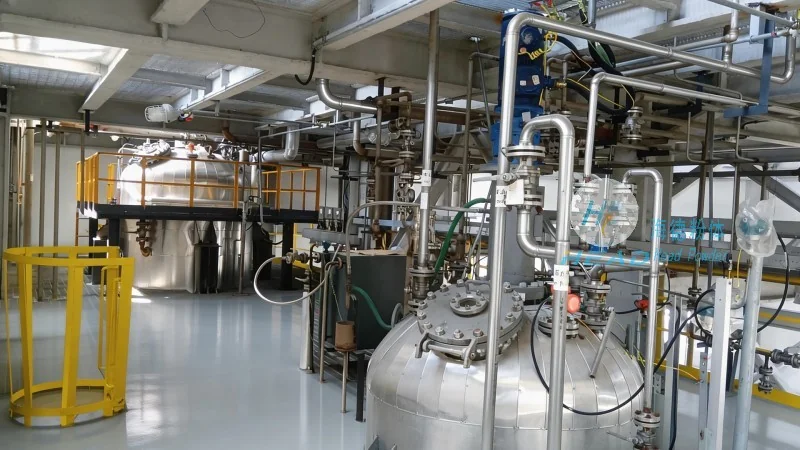
Operation Process of the Sodium Chloride Powder Handling System
The operation process of a sodium chloride powder handling system begins with the material being stored in a bulk storage silo. The system then uses a feeder, often a rotary valve or a screw feeder, to control the flow rate of the sodium chloride from the silo. The controlled discharge is then directed into a conveyor system, which may include pneumatic or mechanical conveyors, depending on the system design. The conveyor transports the sodium chloride to the desired destination, such as a processing unit or a packaging station. Throughout the process, the system is equipped with sensors and control mechanisms to monitor flow rates, pressure, and other critical parameters, ensuring optimal performance and preventing issues like blockages or overfilling.
Working Principle of the Equipment
The working principle of the sodium chloride powder handling equipment relies on the principles of material flow and mechanical control. The storage silo provides a large capacity for bulk storage, allowing for continuous operation without frequent refilling. The feeder component is responsible for regulating the discharge rate, ensuring a consistent and controlled flow of sodium chloride. The conveyor system, whether pneumatic or mechanical, uses air pressure or mechanical force to move the powder through the system. Pneumatic conveyors, for instance, utilize compressed air to create a flow of material, while mechanical conveyors rely on belts or screws to transport the powder. The control system integrates sensors and automation technology to monitor and adjust the operation in real-time, maintaining the stability and efficiency of the entire process.
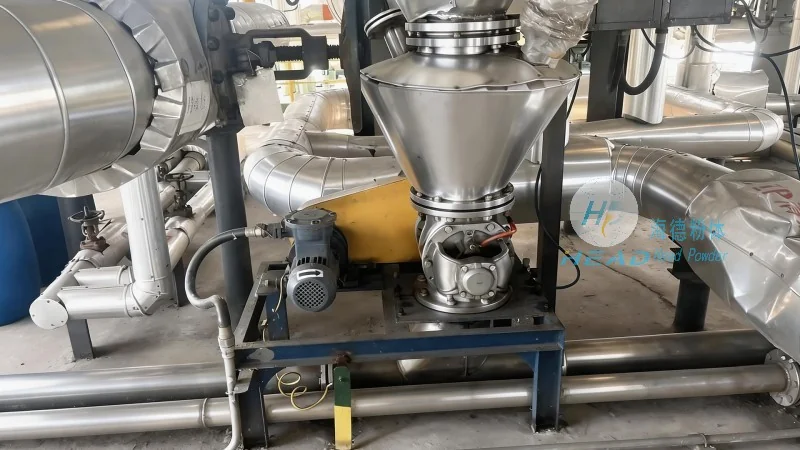
Key Components and Their Functions
Several key components are integral to the efficient operation of the sodium chloride powder handling system. The bulk storage silo serves as the primary storage vessel, providing a large capacity to store the sodium chloride. The feeder, typically a rotary valve or a screw feeder, regulates the discharge rate from the silo, ensuring a consistent flow of material. The conveyor system, which may include pneumatic or mechanical conveyors, transports the sodium chloride to the processing or packaging area. The control system, equipped with sensors and automation technology, monitors critical parameters such as flow rate, pressure, and level, and adjusts the operation as needed to maintain optimal performance. Additionally, the system may include dust collection and filtration equipment to ensure a clean and safe working environment.
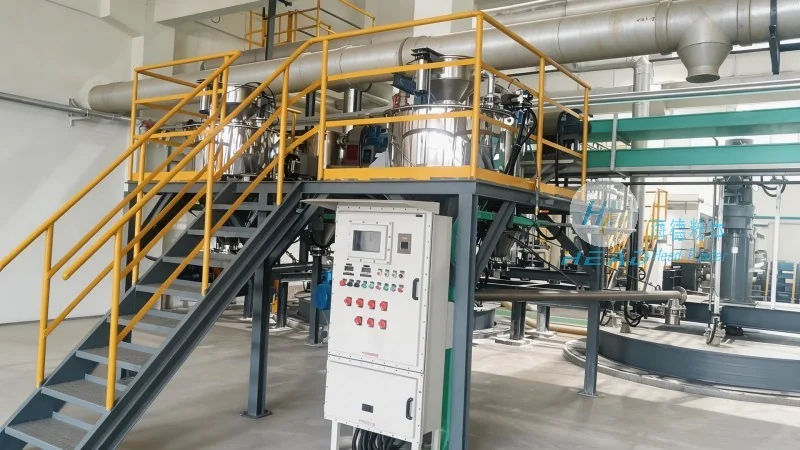
Benefits of Using Advanced Sodium Chloride Powder Handling Equipment
The use of advanced sodium chloride powder handling equipment offers several benefits for industries that rely on bulk material transport. Firstly, it enhances operational efficiency by ensuring a continuous and controlled flow of material, reducing downtime and increasing production output. Secondly, it improves safety by minimizing the risk of material spillage, blockages, and other hazards associated with manual handling. Thirdly, it enhances product quality by maintaining consistent flow rates and preventing contamination. Finally, the automation and control features of the equipment allow for precise monitoring and adjustment, leading to better overall process control and reduced operational costs.
Conclusion
In conclusion, the operation process and working principle of sodium chloride powder handling equipment are designed to provide efficient, reliable, and safe transport of bulk materials. HeadPowder Engineering Co., Ltd., based in Shandong, China, specializes in delivering customized solutions that meet the specific needs of various industries. By integrating advanced components and control systems, these equipment systems ensure optimal performance and contribute to the overall productivity and success of industrial operations.