

What is Iron Oxide Pneumatic Conveying? An Introduction to the Working Principles of Powder Handling
Iron oxide, a widely used inorganic pigment and industrial material, often requires efficient and reliable transportation methods for processing and distribution. Pneumatic conveying systems have become a preferred solution for handling iron oxide, offering a non-contact, dust-free, and flexible approach to powder transport. This article explores the fundamentals of iron oxide pneumatic conveying, detailing its working principles, key components, and practical applications in industrial settings.
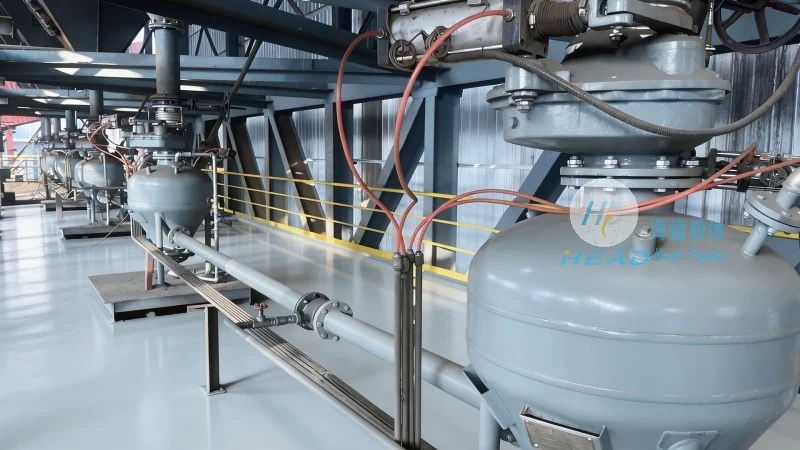
Understanding Pneumatic Conveying Systems
Pneumatic conveying, also known as powder handling systems, utilizes compressed air or other gases to transport bulk materials like iron oxide through a network of pipes. The process involves generating airflow that lifts and propels the powder particles from the source to the destination. There are two primary types of pneumatic conveying systems: dilute-phase and dense-phase, each designed to suit different material characteristics and operational requirements.
Core Components of Iron Oxide Pneumatic Conveying
The effectiveness of an iron oxide pneumatic conveying system depends on several critical components working in unison. These include:
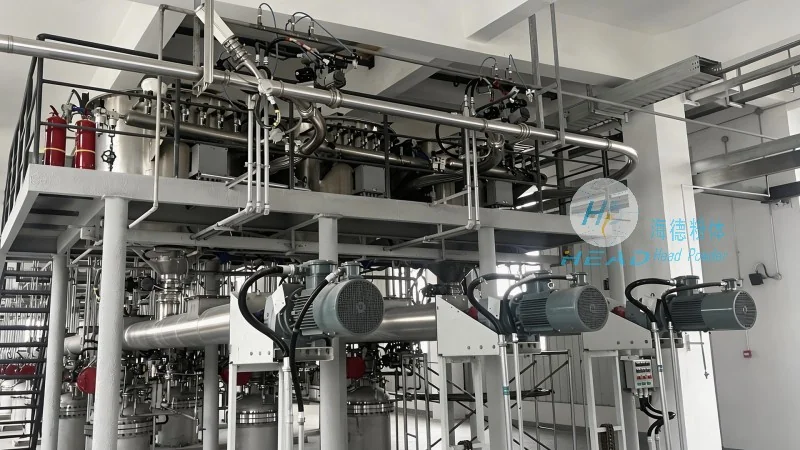
- Feeder: A device that feeds the iron oxide powder into the conveying line, ensuring a consistent flow rate. For abrasive iron oxide, robust feeders such as rotary valves or star feeders are often used to prevent material degradation.
- Conveying Line: The pipeline through which the iron oxide is transported. The powder is suspended in the air stream, moving from the inlet to the outlet. The design of the line, including bends and vertical sections, is optimized to minimize pressure drop and prevent particle deposition.
- Compressor: A source of compressed air or gas that provides the necessary energy to move the iron oxide particles. The choice of compressor (e.g., rotary screw, centrifugal) depends on the system's capacity and the specific properties of the iron oxide.
- Receiver: The container where the iron oxide is deposited after being conveyed. It is typically equipped with a dust collection system to ensure environmental compliance and product purity.
- Control System: A network of sensors and controllers that monitor and regulate the conveying process. This includes pressure sensors, flow meters, and valves to maintain optimal operation and prevent system failures.
Working Principle of Iron Oxide Pneumatic Conveying
The operation of an iron oxide pneumatic conveying system follows a systematic sequence. First, the iron oxide powder is fed into the system via the feeder. The compressor then generates a high-pressure air stream, which is introduced into the conveying line. As the air flows through the line, it entrains the iron oxide particles, creating a slurry-like mixture. The mixture travels through the pipeline, overcoming gravitational and frictional forces. At the receiver end, the air is separated from the powder, and the iron oxide is collected in the receiver. The air, now filtered to remove any residual dust, is either vented or recycled back into the system.
Advantages of Pneumatic Conveying for Iron Oxide Handling
Implementing pneumatic conveying for iron oxide offers several advantages over traditional methods like bucket elevators or belt conveyors. These benefits include:
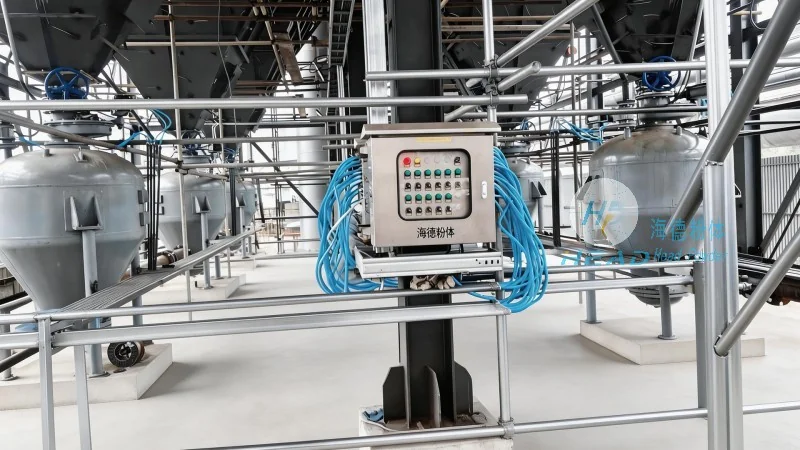
- Non-Contact Transport: Since the iron oxide is conveyed in a closed system with air, there is no direct contact with metal surfaces, reducing the risk of contamination and material degradation.
- Dust-Free Operation: The enclosed system prevents dust emissions, improving workplace safety and environmental compliance.
- Flexibility and Scalability: Pneumatic conveying systems can be easily reconfigured or expanded to accommodate changes in production volume or process requirements.
- Reduced Maintenance: With fewer moving parts compared to mechanical conveyors, pneumatic systems require less maintenance and have longer service life.
- Energy Efficiency: Modern pneumatic conveying systems are designed to optimize energy use, reducing operational costs while maintaining performance.
Practical Considerations for Implementing Iron Oxide Pneumatic Conveying Systems
When considering the implementation of an iron oxide pneumatic conveying system, several factors must be evaluated to ensure optimal performance and cost-effectiveness. These include:
- Material Properties: The physical and chemical properties of iron oxide, such as particle size, density, and moisture content, influence the choice of system type and components. For example, fine iron oxide powders may require a dilute-phase system to prevent clogging.
- System Design and Layout: The layout of the conveying line, including the number and angle of bends, vertical height, and distance between the feeder and receiver, directly impacts system efficiency and pressure drop. Proper design minimizes energy consumption and ensures smooth material flow.
- Environmental Regulations: Compliance with local and national regulations regarding dust emissions and air quality is essential. The system must be equipped with effective dust collection and filtration to meet these requirements.
- Cost-Benefit Analysis: The initial investment in a pneumatic conveying system may be higher than traditional methods, but the long-term benefits, including reduced maintenance, increased productivity, and improved safety, often outweigh the costs.
- Supplier Expertise: Partnering with a reputable supplier like Shandong HeadPowder Engineering Co., Ltd. (headpowder) ensures access to high-quality components, expert design services, and reliable after-sales support. HeadPowder specializes in customizing pneumatic conveying solutions tailored to the specific needs of iron oxide handling applications.
Conclusion
Iron oxide pneumatic conveying represents a sophisticated and efficient method for transporting this critical industrial material. By leveraging compressed air to move the powder through a closed system, companies can achieve dust-free, non-contact transport with minimal maintenance and operational costs. The key to successful implementation lies in understanding the working principles, selecting the appropriate components, and working with experienced suppliers like Shandong HeadPowder Engineering Co., Ltd. As industries continue to demand more reliable and sustainable material handling solutions, pneumatic conveying remains a top choice for iron oxide processing and distribution.