

What is Expanded Clay Aggregate Pneumatic Conveying? An Introduction to the Working Principle of Pow
Understanding the mechanics of pneumatic conveying systems, particularly those used for transporting expanded clay aggregate, is crucial for industries dealing with bulk powder materials. This article provides a detailed overview of how such systems operate, focusing on the fundamental principles that enable efficient material transfer.
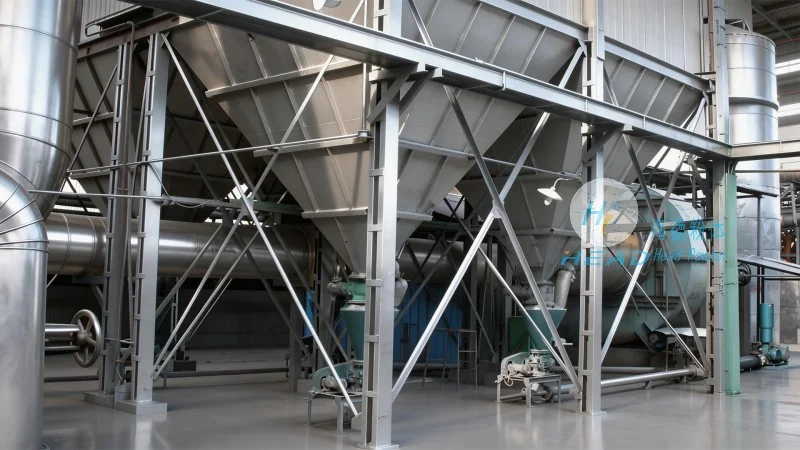
Introduction to Expanded Clay Aggregate Pneumatic Conveying
Expanded clay aggregate, commonly known as lightweight aggregate, is a type of granular material produced by heating clay or shale to high temperatures. It is widely used in construction, horticulture, and industrial applications due to its lightweight properties and excellent thermal insulation characteristics. Pneumatic conveying is a method that uses air or gas to transport these aggregates and other powders through a pipeline system. This approach offers several advantages over traditional mechanical conveying methods, including reduced equipment wear, lower maintenance costs, and the ability to handle materials in a dust-free environment.
HeadPowder: A Leading Provider of Powder Handling Solutions
Shandong HeadPowder Engineering Co., Ltd. is a reputable company based in China, specializing in the design, manufacturing, and installation of advanced powder handling systems. With a strong commitment to quality and innovation, HeadPowder has established itself as a trusted partner for businesses seeking reliable solutions for material transport. The company’s expertise lies in customizing systems to meet specific operational requirements, ensuring optimal performance and efficiency for each client.
The Working Principle of Pneumatic Conveying Systems
The core of a pneumatic conveying system involves the use of a compressor to generate air pressure, which then propels the material through a network of pipes. There are two primary types of pneumatic conveying: dilute-phase and dense-phase. Dilute-phase systems operate at higher air velocities, allowing particles to be suspended in the air stream, while dense-phase systems use lower air velocities to move material in a plug-like flow. For expanded clay aggregate, a dilute-phase system is often preferred due to the material’s relatively low density and the need for efficient, low-pressure transport.
Key Components of a Pneumatic Conveying System
Several critical components work together to ensure the smooth operation of a pneumatic conveying system. These include:
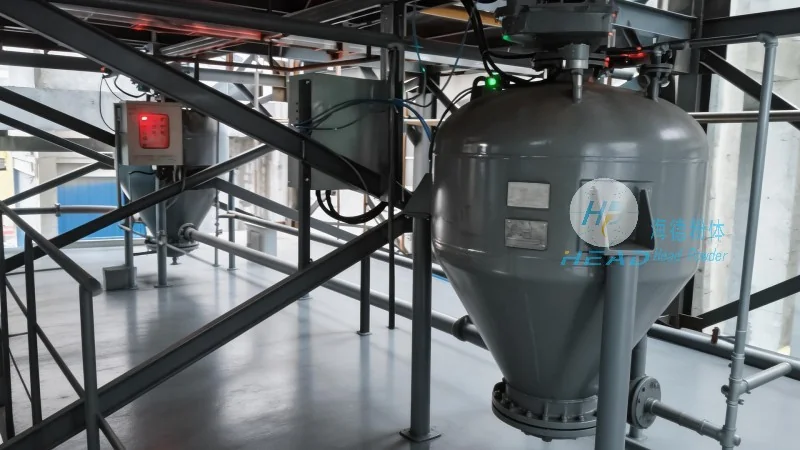
1. Air Compressor: Generates the necessary air pressure to move the material. The choice of compressor depends on the system’s capacity and the type of material being conveyed.
2. Feeder: Ensures a consistent flow of material into the pipeline. For expanded clay aggregate, a rotary valve or a screw feeder is commonly used to control the feed rate.
3. Pipeline: The main conduit for transporting the material. The diameter and material of the pipeline are selected based on the system’s capacity and the properties of the conveyed material.
4. Receiver: The final container where the material is deposited. It is typically designed to handle the pressure and volume of the incoming material.
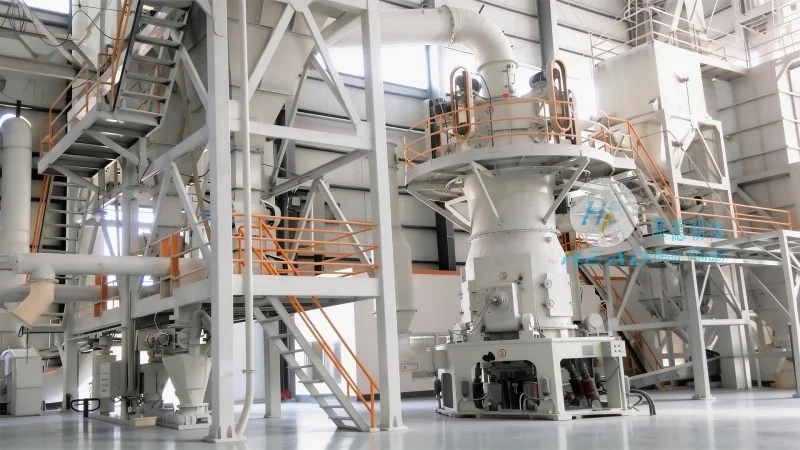
5. Control System: Monitors and regulates the operation of the system, ensuring optimal performance and safety.
Advantages of Pneumatic Conveying for Expanded Clay Aggregate
Implementing a pneumatic conveying system for expanded clay aggregate offers numerous benefits. These include:
• Efficient Material Transfer: The system can transport materials over long distances with minimal loss or degradation.
• Dust-Free Operation: Unlike mechanical systems, pneumatic conveying keeps the material enclosed, reducing dust emissions and improving workplace safety.
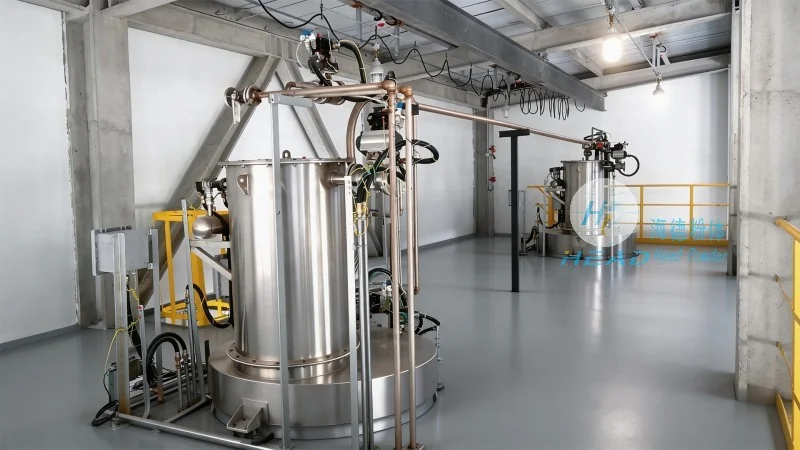
• Reduced Maintenance: With fewer moving parts, the system requires less maintenance compared to traditional conveyors.
• Flexibility: Systems can be easily modified or expanded to accommodate changing production needs.
Applications in Various Industries
Expanded clay aggregate pneumatic conveying systems are widely used across multiple industries. In the construction sector, they are used to transport aggregates for concrete production and lightweight building materials. In horticulture, the system facilitates the distribution of aggregates for soil amendment and greenhouse applications. Additionally, in industrial processes, such as chemical manufacturing and food processing, these systems are employed to handle powders and granules efficiently.
Conclusion
Pneumatic conveying is a highly effective method for transporting expanded clay aggregate, offering significant advantages in terms of efficiency, safety, and cost-effectiveness. By understanding the working principles and key components of such systems, businesses can make informed decisions about implementing or upgrading their material handling processes. Shandong HeadPowder Engineering Co., Ltd. remains a key player in providing tailored solutions that meet the diverse needs of industries relying on bulk powder transport.