

Operation Process and Working Principle of Molybdenum Oxide Pneumatic Conveying Equipment
HeadPowder, a leading manufacturer based in Shandong, China, specializes in advanced pneumatic conveying systems tailored for the handling of molybdenum oxide. This article provides a detailed overview of the operational process and working principles of such equipment, highlighting the technical aspects and practical applications that make it an essential solution in industrial material transport.
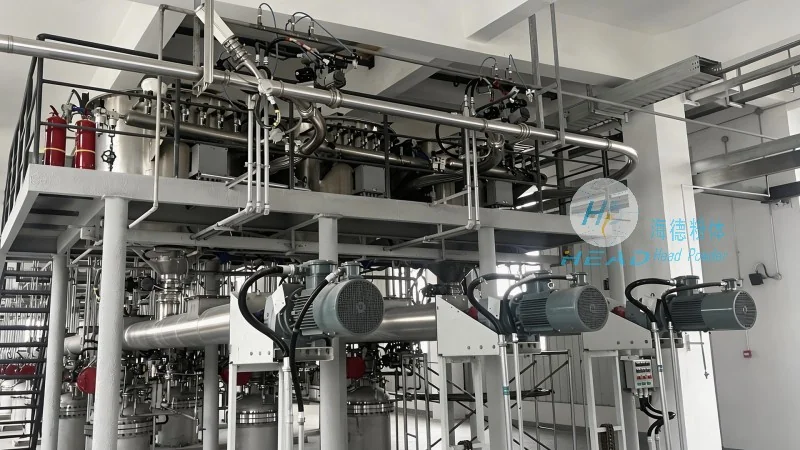
Company Overview
Shandong HeadPowder Engineering Co., Ltd. is a professional enterprise dedicated to the research, development, and production of pneumatic conveying equipment. With a strong focus on innovation and quality, the company has established itself as a trusted partner in the chemical and material processing industries. HeadPowder's facilities are located in Shandong, China, where the company leverages local resources and expertise to deliver high-performance solutions for clients worldwide.
The Pneumatic Conveying System for Molybdenum Oxide
Molybdenum oxide (MoO₃) is a critical raw material widely used in the production of molybdenum alloys, catalysts, and other high-tech applications. Handling this material efficiently and safely requires specialized equipment that can manage its properties, such as fine particle size and potential dust explosion risks. The pneumatic conveying system designed by HeadPowder addresses these challenges by providing a reliable, low-maintenance solution for transporting molybdenum oxide from storage to processing units.
Key Components of the Pneumatic Conveying Equipment
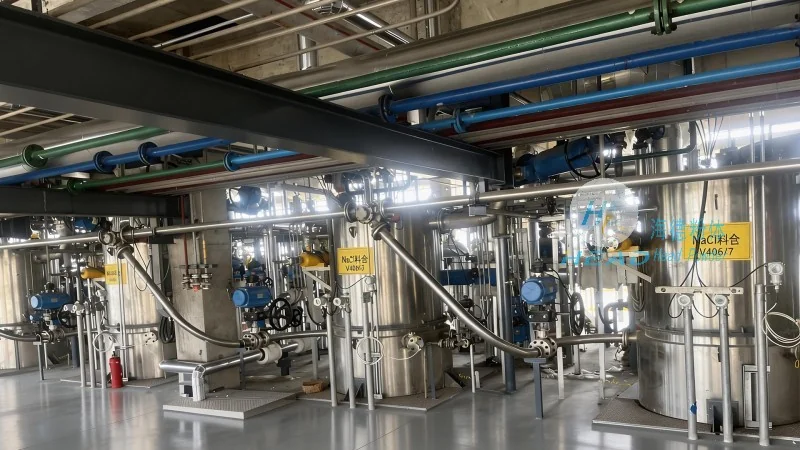
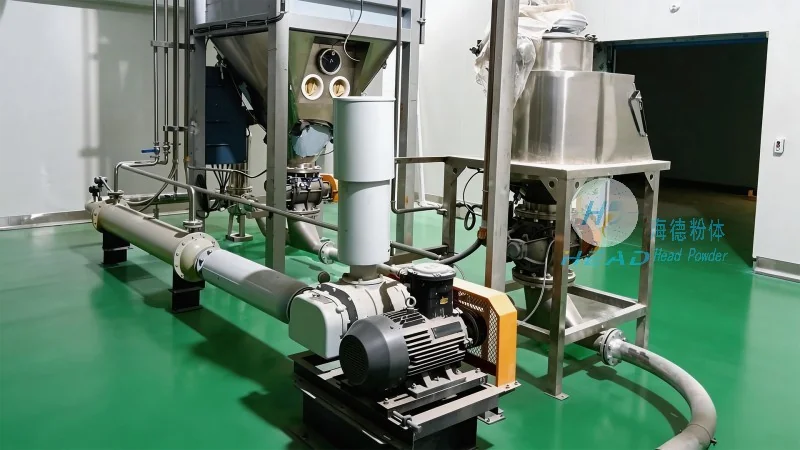
The molybdenum oxide pneumatic conveying system typically consists of several key components that work in tandem to ensure smooth operation. These include a hopper for material storage, a feeder to control the flow rate, a compressor or blower to generate the necessary air pressure, a pipeline system for material transport, and a receiver or collection unit for the delivered material. Each component is carefully designed to handle the specific characteristics of molybdenum oxide, ensuring optimal performance and minimal product degradation.
The Operational Process
The operation of the molybdenum oxide pneumatic conveying system follows a systematic process that begins with material loading into the hopper. The feeder then regulates the flow of molybdenum oxide into the pipeline, while the compressor generates the air pressure needed to move the material. As the air and material mixture travels through the pipeline, the fine particles of molybdenum oxide are carried by the air stream to the receiver. The system is designed to maintain consistent air pressure and flow rates, which are crucial for preventing blockages and ensuring the material reaches its destination without loss or contamination.
Working Principle: Air-Driven Conveying
The core principle behind the pneumatic conveying of molybdenum oxide is the use of air as the conveying medium. This method, known as air-driven conveying, relies on the kinetic energy of the air to transport the material. The system operates under positive pressure, where the compressor forces air into the pipeline, creating a flow that pulls the material along. The velocity of the air is carefully controlled to ensure that the particles are carried without settling or causing blockages. This approach is particularly effective for fine powders like molybdenum oxide, as it minimizes the risk of material degradation and ensures a clean, efficient transport process.
Advantages of the Molybdenum Oxide Pneumatic Conveying System
Implementing a pneumatic conveying system for molybdenum oxide offers several advantages over traditional methods such as belt conveyors or manual handling. These benefits include improved safety by reducing the risk of dust exposure and explosion hazards, enhanced efficiency through continuous and automated material transport, and reduced maintenance costs due to the absence of moving parts in the conveying line. Additionally, the system allows for precise control over the flow rate and pressure, enabling better process integration and product quality control.
Application Scenarios
The molybdenum oxide pneumatic conveying equipment from HeadPowder is suitable for a wide range of applications in the chemical and metallurgical industries. Common uses include transporting molybdenum oxide from storage silos to mixing and processing units, feeding material into reactors or furnaces, and delivering finished products to packaging lines. The system's flexibility allows it to be adapted to various production scales, from small-scale laboratory operations to large industrial plants, ensuring that clients can find a solution tailored to their specific needs.
Conclusion
HeadPowder's molybdenum oxide pneumatic conveying equipment represents a sophisticated and reliable solution for the efficient handling of this critical material. By understanding the operational process and working principles of the system, users can appreciate how it addresses the unique challenges associated with molybdenum oxide transport. With its focus on safety, efficiency, and durability, this equipment is an essential asset for any facility dealing with molybdenum oxide, ensuring smooth and uninterrupted production processes.