

Operation Process and Working Principle of Copper Mine Sand Pneumatic Conveying Equipment
HeadPowder, a leading manufacturer based in Shandong, China, specializes in the design and production of advanced pneumatic conveying systems tailored for the copper mining industry. Our copper mine sand pneumatic conveying machines are engineered to efficiently transport bulk materials such as copper ore, sand, and other mining byproducts over long distances with minimal operational costs and high reliability.
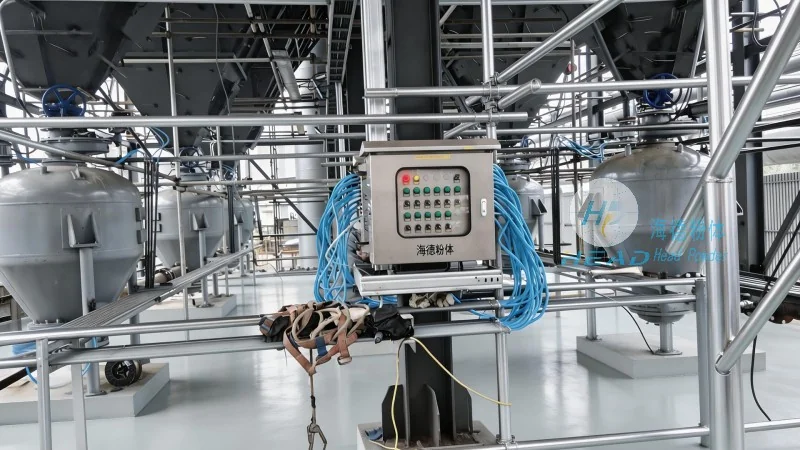
Overview of Copper Mine Sand Pneumatic Conveying Equipment
At the core of our solution is a robust pneumatic conveying system that utilizes air pressure to move copper mine sand from the extraction site to processing facilities. This technology eliminates the need for traditional mechanical conveyors, reducing maintenance requirements and improving overall operational efficiency. The system is designed to handle varying particle sizes and moisture content, ensuring consistent performance under diverse mining conditions.
Key Components and Their Functions
The copper mine sand pneumatic conveying machine consists of several critical components, each playing a vital role in the overall operation. These include the material hopper, which stores the copper mine sand; the air compressor, responsible for generating the necessary air pressure; the conveying pipeline, which transports the material; and the control system, which monitors and regulates the entire process. Each component is carefully selected and integrated to ensure seamless coordination and optimal performance.

Operation Process of the Pneumatic Conveying System
The operation of the copper mine sand pneumatic conveying machine begins with the loading of copper mine sand into the material hopper. As the hopper is filled, the control system activates the air compressor, which generates high-pressure air. This air is then introduced into the conveying pipeline, creating a flow that lifts and transports the copper mine sand from the hopper to the destination point. The material is carried through the pipeline by the air stream, with the velocity and pressure maintained at optimal levels to prevent material deposition or blockages. Upon reaching the processing facility, the copper mine sand is discharged into a storage bin or directly into the next stage of the production line.
Working Principle: Air-Driven Material Transport
The working principle of the copper mine sand pneumatic conveying machine is based on the fundamental concept of air pressure and fluid dynamics. When the air compressor supplies high-pressure air to the conveying pipeline, it creates a pressure differential that propels the copper mine sand particles forward. The air acts as a medium, suspending the particles and moving them along the pipeline. This method is particularly effective for transporting fine or abrasive materials like copper mine sand, as it minimizes wear and tear on equipment compared to mechanical conveyors. The system's efficiency is enhanced by the use of specialized nozzles and pipeline designs that optimize air flow and material suspension.
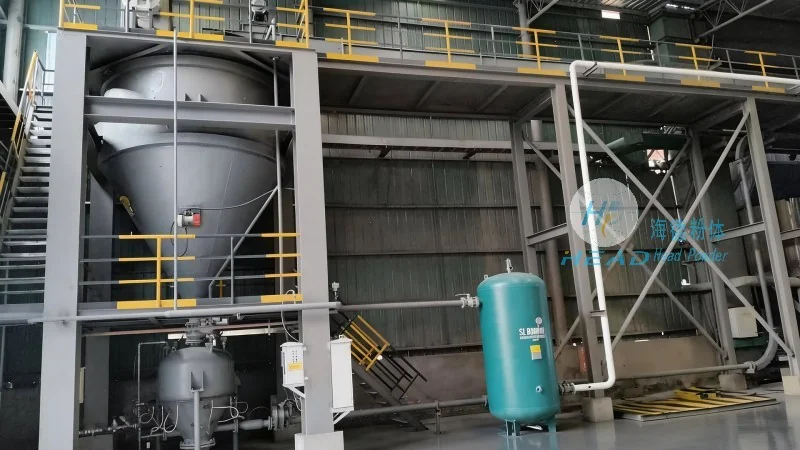
Advantages of Using Pneumatic Conveying for Copper Mining
Implementing a copper mine sand pneumatic conveying machine offers several significant advantages for copper mining operations. Firstly, it reduces labor costs by automating the material transport process, minimizing the need for manual handling. Secondly, the system provides a cleaner and more hygienic environment, as it eliminates the dust and debris associated with traditional conveyor belts. Thirdly, the compact design of the pneumatic conveying system requires less space, making it suitable for both new and existing mining sites. Additionally, the system's low maintenance requirements and long service life contribute to lower operational expenses over time.
Customization and Application Flexibility
HeadPowder understands that each copper mining operation has unique requirements. Therefore, our copper mine sand pneumatic conveying machines are customizable to meet specific operational needs. We offer various configurations, including positive pressure and negative pressure systems, to suit different material characteristics and transport distances. Our engineering team works closely with clients to design a system that optimizes material flow, minimizes energy consumption, and maximizes overall efficiency. Whether for short-distance transport within a mine or long-distance transfer to a processing plant, our solutions are tailored to deliver reliable and efficient performance.