

What is Gypsum Powder and Dust Material Handling Equipment? Design Principles Explained
Gypsum powder and dust material handling equipment is a specialized system engineered to efficiently transport and manage gypsum-based materials, which are widely used in construction, industrial applications, and other sectors. These materials, often in fine powder or dust form, require precise handling to ensure safety, efficiency, and compliance with environmental regulations. The design of such equipment is critical, as it must address the unique properties of gypsum, including its dustiness, potential for caking, and the need for dust control measures.
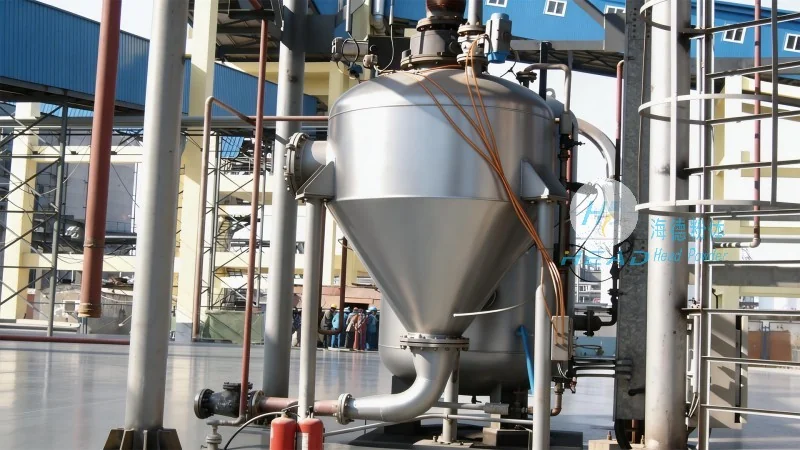
Key Components and Design Principles of Gypsum Material Handling Systems
The core of gypsum powder and dust material handling equipment typically includes several key components that work in tandem to ensure reliable operation. The first is the feeding mechanism, which may include hoppers, feeders, or rotary valves to control the flow of material from storage silos or bulk containers. This component is designed to minimize material degradation and prevent blockages, which are common issues with fine powders. The feeding system often incorporates features like adjustable speed controls and material level sensors to maintain consistent flow rates.
Next, the conveying system is a critical part of the design. For gypsum powder, pneumatic conveying systems are frequently used due to their ability to handle fine, dusty materials without the need for mechanical parts that could cause wear or contamination. These systems use air pressure to transport material through pipelines, often with the aid of cyclones or filters to separate the material from the air stream. Alternatively, mechanical conveying methods like screw conveyors or belt conveyors may be employed for bulkier or less dusty applications, though they require additional dust control measures to prevent airborne particulates.
Sealing and dust control are paramount in gypsum material handling equipment. Gypsum is a fine powder that can easily become airborne, posing health risks and environmental concerns. Therefore, all components, including hoppers, conveyors, and discharge points, are equipped with robust sealing systems. These may include gaskets, clamps, and specialized seals that prevent dust leakage. Additionally, dust collection systems, such as baghouses or cartridge filters, are integrated into the design to capture any escaped particles, ensuring compliance with occupational health and safety standards.
Another important design consideration is the material of construction. Gypsum is mildly corrosive and can be abrasive, so equipment is typically made from materials like stainless steel, aluminum, or specialized alloys that resist corrosion and wear. This not only extends the equipment's lifespan but also maintains the purity of the material being handled, as non-corrosive materials prevent contamination from metal particles.
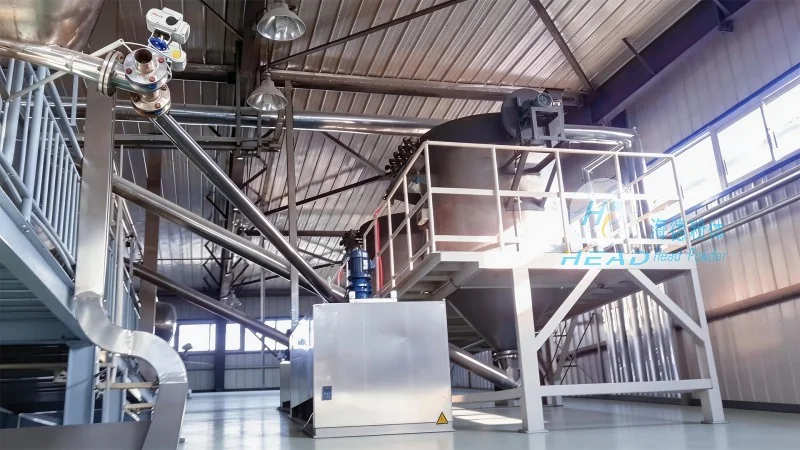
HeadPowder Engineering Co., Ltd.: Expert in Gypsum Material Handling Solutions
Shandong HeadPowder Engineering Co., Ltd. is a leading manufacturer and supplier of gypsum powder and dust material handling equipment, specializing in the design and production of systems tailored to the unique needs of the gypsum industry. With years of experience in the field, HeadPowder has developed a reputation for delivering high-quality, reliable equipment that meets the demands of modern industrial applications.
The company's product line includes a range of solutions, from small-scale feeding and conveying systems to large, industrial-grade units capable of handling high volumes of gypsum powder. Each system is engineered with precision, incorporating the latest design principles to ensure optimal performance. HeadPowder's commitment to quality is evident in their use of durable materials, advanced sealing technologies, and rigorous testing protocols to ensure that every piece of equipment meets or exceeds industry standards.
HeadPowder Engineering Co., Ltd. is headquartered in Shandong, China, and serves clients both domestically and internationally. The company's location in Shandong provides access to a robust supply chain and skilled workforce, enabling them to maintain competitive pricing and quick turnaround times for orders. Their team of engineers and technicians work closely with clients to understand their specific requirements, providing customized solutions that address individual challenges and operational needs.
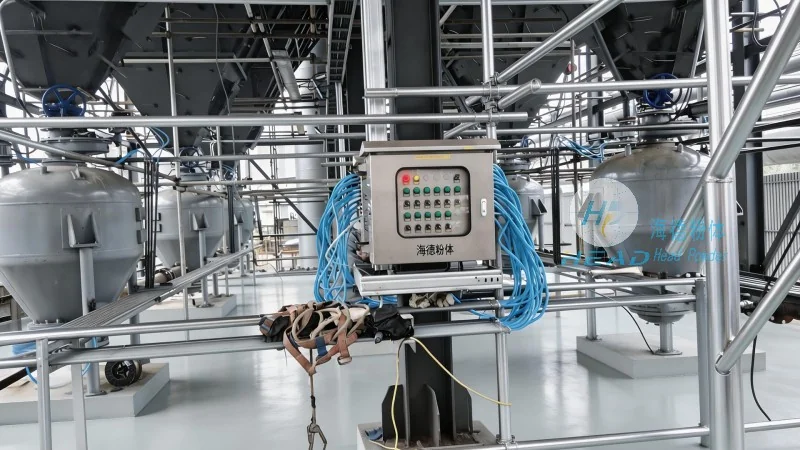
Applications and Benefits of Gypsum Material Handling Equipment
Gypsum powder and dust material handling equipment is used in a variety of applications across different industries. In the construction sector, these systems are essential for transporting gypsum plaster, drywall, and other building materials to job sites. The efficiency of the equipment ensures that materials are delivered on time and in the correct quantities, reducing downtime and improving project timelines.
In industrial settings, gypsum is used as a filler in products like paper, plastics, and textiles. The material handling equipment ensures that gypsum is processed and transported safely and efficiently, minimizing waste and maximizing productivity. Additionally, in the agricultural sector, gypsum is used as a soil amendment, and specialized equipment is used to blend and distribute it evenly across fields.
The benefits of using advanced gypsum material handling equipment extend beyond operational efficiency. Properly designed systems reduce the risk of dust exposure, improving workplace safety and reducing the need for costly cleanup and maintenance. They also enhance product quality by preventing contamination and ensuring consistent material properties. Furthermore, the energy-efficient design of modern systems helps reduce operational costs over time, making them a cost-effective investment for businesses.
Conclusion: The Importance of Reliable Gypsum Material Handling Equipment
In conclusion, gypsum powder and dust material handling equipment is a vital component of any operation that handles gypsum-based materials. The design principles behind these systems—focused on efficient conveying, effective dust control, and durable construction—ensure that they can handle the unique challenges of gypsum while maintaining safety and productivity. Companies like Shandong HeadPowder Engineering Co., Ltd. play a crucial role in providing these solutions, helping businesses in the construction, industrial, and agricultural sectors meet their material handling needs effectively and sustainably.