

What is a Grain Material Conveying Line? And What Are Its Design Principles?
Grain material conveying lines are essential systems used in the agricultural and food processing industries to transport various types of grain and bulk materials efficiently. These lines are designed to handle the movement of raw materials from storage to processing units, ensuring smooth operations in grain mills, feed factories, and other related facilities. The primary function of such lines is to facilitate the seamless transfer of grain, which is crucial for maintaining productivity and reducing manual labor in modern agricultural processing operations.
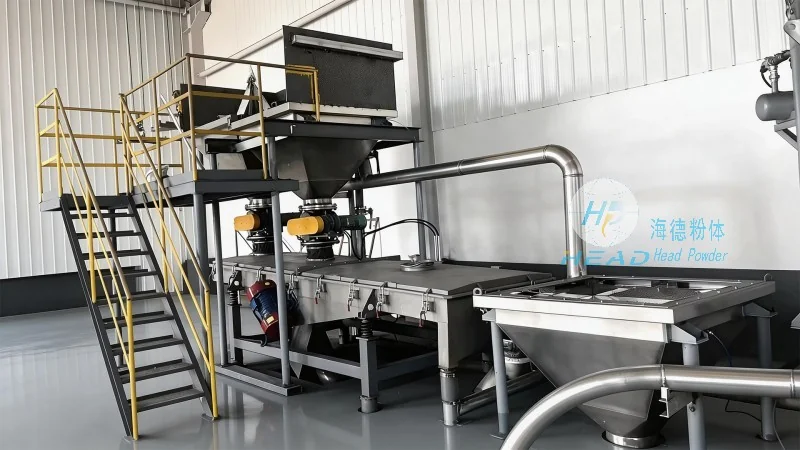
Understanding the Core Components of Grain Material Conveying Lines
At the heart of a grain material conveying line are several key components that work in tandem to achieve effective material handling. The most common components include conveyor belts, hoppers, feeders, and control systems. Conveyor belts, often made from durable materials like rubber or plastic, are responsible for transporting the grain along a designated path. Hoppers are used to store and feed the grain into the conveyor system, while feeders regulate the flow rate to prevent overloading or underloading of the conveyor. Control systems, typically integrated with sensors and automation technology, monitor the operation of the conveying line and adjust parameters as needed to maintain optimal performance.
The Design Principles Behind Efficient Grain Material Conveying
The design of a grain material conveying line is based on several fundamental principles aimed at maximizing efficiency, durability, and safety. One of the primary principles is the selection of appropriate materials for the conveyor components. For instance, the belts and hoppers are often made from food-grade materials to ensure that the grain remains uncontaminated during transport. Another key principle is the consideration of the grain's physical properties, such as size, moisture content, and bulk density, which influence the choice of conveyor type and speed. The design also emphasizes the need for minimal material degradation, as excessive friction or impact can lead to grain breakage and loss of quality.
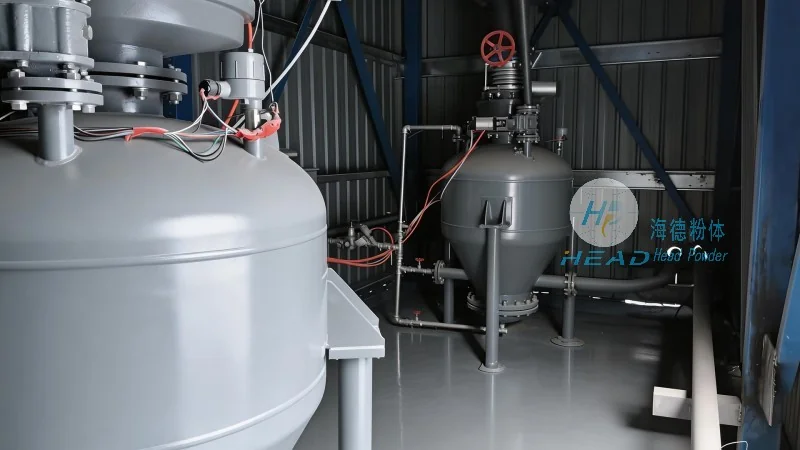
HeadPowder's Expertise in Designing and Manufacturing Conveying Systems
Shandong HeadPowder Engineering Co., Ltd., a leading manufacturer based in China, specializes in the design, development, and production of high-quality grain material conveying lines. With years of experience in the industry, HeadPowder has built a reputation for delivering reliable and efficient systems tailored to the specific needs of its clients. The company's engineers utilize advanced engineering principles and state-of-the-art technology to create conveying lines that meet the highest standards of performance and durability. By focusing on the unique requirements of each project, HeadPowder ensures that its products are not only effective but also cost-efficient and easy to maintain.
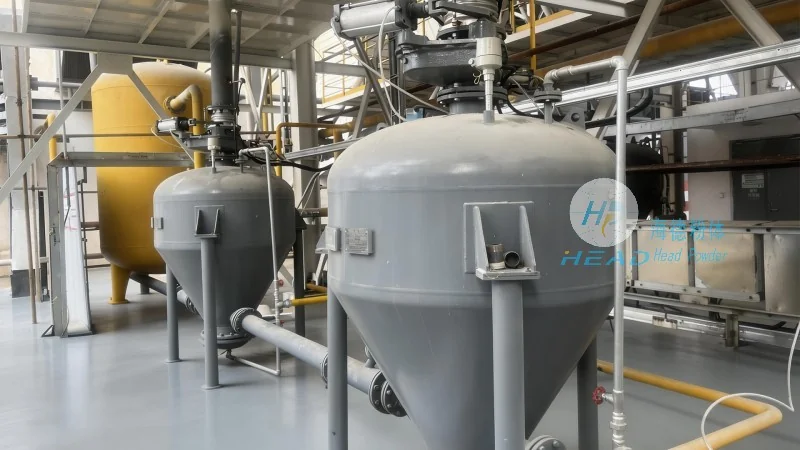
Key Features of HeadPowder's Grain Conveying Solutions
HeadPowder's grain material conveying lines are equipped with several advanced features that enhance their functionality and user experience. These features include adjustable speed controls, which allow operators to modify the conveyor speed based on the type and quantity of grain being transported. The systems also incorporate safety mechanisms, such as emergency stop buttons and overload protection, to prevent accidents and equipment damage. Additionally, the conveying lines are designed with easy access points for maintenance, reducing downtime and maintenance costs. The company's commitment to quality is evident in the use of robust construction materials and rigorous quality control processes, ensuring that each product meets the stringent requirements of the agricultural and food processing sectors.

Applications and Benefits of Grain Material Conveying Lines
Grain material conveying lines are widely used in various applications across the agricultural and food processing industries. In grain mills, these systems are used to transport raw grain from storage silos to grinding and milling units. In feed factories, they help move ingredients like corn, soybeans, and other grains to mixing and processing equipment. The benefits of using these lines include increased productivity, reduced labor costs, improved material handling efficiency, and enhanced safety. By automating the material transport process, businesses can achieve higher throughput and better control over their operations, ultimately leading to improved profitability.
Conclusion: The Importance of Well-Designed Grain Conveying Lines
In conclusion, grain material conveying lines are critical components in modern agricultural and food processing operations. Their design and functionality directly impact the efficiency and productivity of grain handling processes. With the expertise of companies like Shandong HeadPowder Engineering Co., Ltd., businesses can access high-quality conveying systems that are tailored to their specific needs. By investing in well-designed and reliable conveying lines, companies can enhance their operational efficiency, reduce costs, and ensure the smooth flow of grain from storage to processing, ultimately contributing to the success of their agricultural and food processing ventures.