

Operating Process and Working Principle of Monosodium Glutamate Powder Pneumatic Conveying Equipment
Monosodium glutamate (MSG) powder pneumatic conveying equipment is a specialized system designed for the efficient and safe transportation of MSG powder from storage to processing or packaging areas. This equipment is crucial in the food industry, particularly for applications requiring precise and hygienic material handling. The following sections detail the operating process and working principles of such equipment, highlighting key components and operational steps.
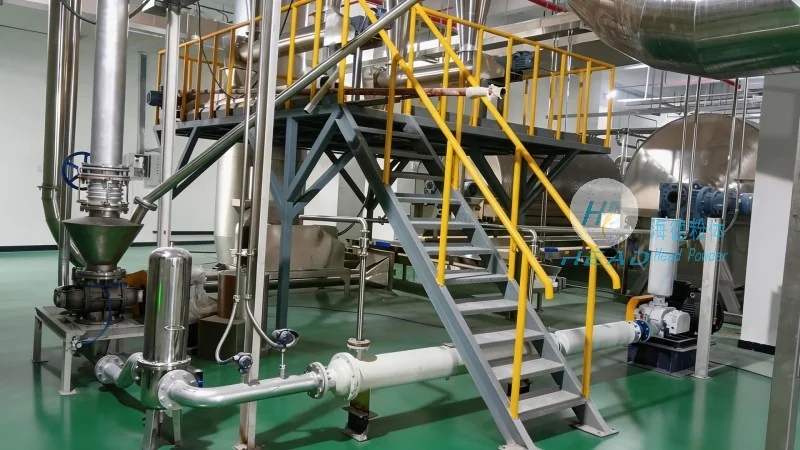
Introduction to Monosodium Glutamate Powder Pneumatic Conveying Systems
HeadPowder, a leading manufacturer headquartered in Shandong, China, provides advanced pneumatic conveying solutions tailored to the unique characteristics of MSG powder. The equipment is engineered to handle the fine, dry powder efficiently while maintaining product quality and minimizing contamination risks. Key features include robust construction, precise control systems, and compliance with industry hygiene standards. The system typically consists of a hopper, conveyor line, and control unit, all integrated to ensure seamless material flow.
Key Components of the Pneumatic Conveying System
The monosodium glutamate powder pneumatic conveying system comprises several critical components that work in tandem to achieve effective material transport. These include:
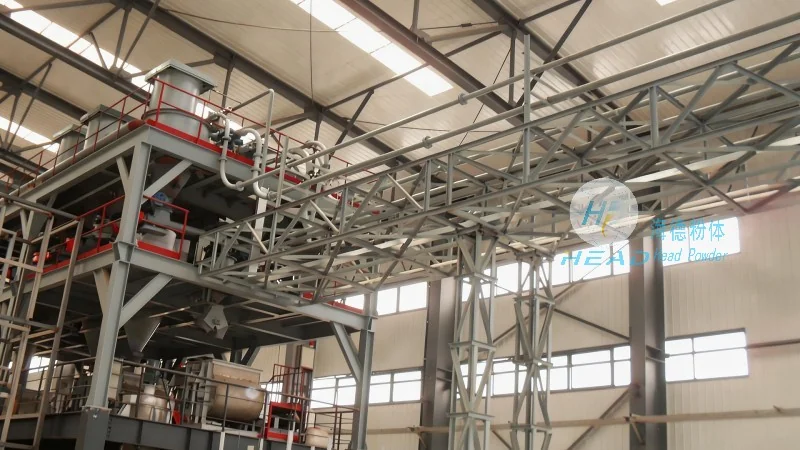
- Material Hopper: A storage vessel where MSG powder is held before being conveyed. The hopper is designed with a discharge valve to control the flow rate, preventing overfilling and ensuring consistent material supply.
- Pneumatic Conveying Line: The main transport pathway, often consisting of a pipeline system that uses air pressure to move the powder. The line may include elbows, tees, and other fittings to direct the material to the desired destination.
- Air Supply Unit: This component generates the necessary air pressure or vacuum to move the powder through the system. It typically includes a blower or vacuum pump, along with filters and regulators to maintain air quality and pressure stability.
- Control System: An integrated control panel that monitors and regulates the operation of the conveying system. This includes sensors for flow rate, pressure, and level, as well as automated controls to adjust air pressure and material discharge as needed.
- Receiving Hopper or Storage Tank: The final destination where the conveyed MSG powder is collected. This component may be equipped with a discharge valve or pump for further processing or packaging.
Operating Process of Monosodium Glutamate Powder Pneumatic Conveying
The operation of the monosodium glutamate powder pneumatic conveying system follows a systematic process to ensure efficient and reliable material transport. The steps are as follows:
- Material Loading: MSG powder is loaded into the material hopper from a bulk storage container or silo. The hopper is filled to an appropriate level to ensure a consistent supply for the conveying process.
- Initiation of Air Flow: The air supply unit is activated, generating the required air pressure or vacuum. The pressure is adjusted to match the specific characteristics of the MSG powder, ensuring optimal flow without causing excessive wear or degradation of the material.
- Material Discharge from Hopper: The discharge valve in the hopper is opened, allowing the MSG powder to enter the pneumatic conveying line. The powder is entrained by the moving air and carried through the pipeline system.
- Transport Through the Conveying Line: The powder travels through the pipeline, navigating bends and fittings as directed by the system design. The air flow maintains the powder in suspension, preventing clogging and ensuring smooth transport.
- Delivery to Receiving Hopper: The conveyed MSG powder reaches the receiving hopper or storage tank at the destination. The air flow is adjusted to ensure the powder is deposited evenly and without excessive pressure, minimizing product degradation.
- System Shutdown: Once the material has been fully transferred, the air supply unit is turned off, and the control system monitors the system for any residual material or pressure. The discharge valve in the receiving hopper is then closed to prevent material spillage.
Working Principle of Pneumatic Conveying for MSG Powder
The working principle of the monosodium glutamate powder pneumatic conveying system is based on the fundamental concept of fluidization and suspension of solid particles using a gas stream. The process relies on the interaction between the air flow and the MSG powder particles to achieve efficient transport. Here’s a detailed breakdown of the principles involved:
1. Air-Particle Interaction: The air supply unit generates a flow of air that enters the conveying line. As the air moves through the pipeline, it interacts with the MSG powder particles in the hopper. The air flow creates a pressure differential that lifts the powder particles from the hopper and into the conveying line.
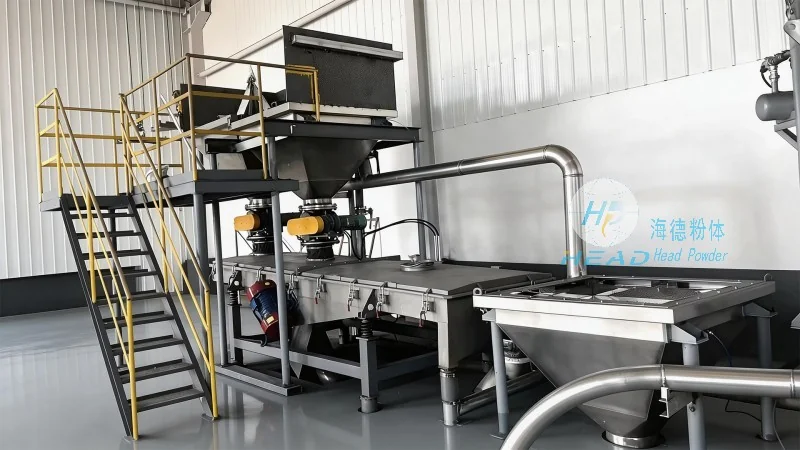
2. Suspension and Transport: The air flow maintains the MSG powder particles in a suspended state within the pipeline. This is achieved by maintaining a sufficient air velocity to counteract the gravitational force acting on the particles. The suspended particles are carried along the pipeline to the receiving hopper.
3. Pressure and Vacuum Conveying: The system may operate under either positive pressure (where air is forced into the conveying line) or negative pressure (where air is drawn out of the system). Positive pressure is commonly used for conveying materials from a central source to multiple destinations, while negative pressure is used for material collection from various points into a central hopper.
4. Material Handling Efficiency: The design of the pneumatic conveying system is optimized to minimize pressure losses and maximize material throughput. The use of appropriate pipeline diameters, air velocities, and system layout ensures that the MSG powder is transported efficiently with minimal energy consumption and product degradation.
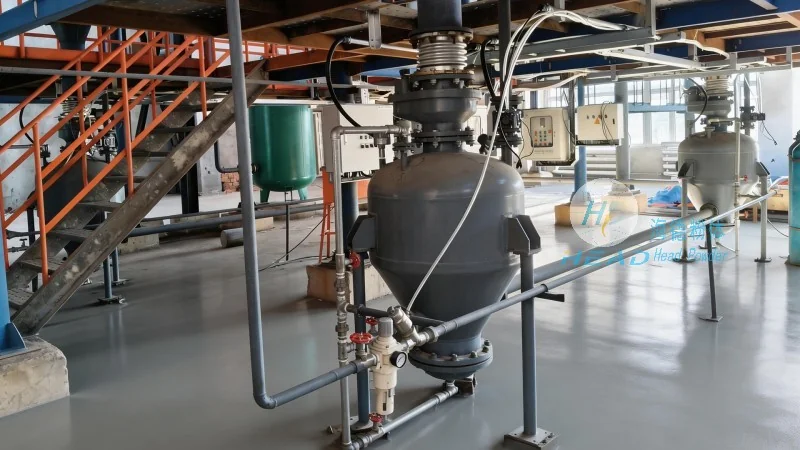
Advantages of Monosodium Glutamate Powder Pneumatic Conveying Equipment
The use of pneumatic conveying equipment for MSG powder offers several advantages over traditional mechanical conveying methods. These include:
- Hygienic and Clean Operation: The enclosed system prevents contamination from external sources and minimizes dust exposure, which is critical for food-grade materials like MSG.
- Efficient and Continuous Material Transport: The system allows for continuous, high-volume transport of MSG powder, reducing downtime and improving overall production efficiency.
- Reduced Product Degradation: The enclosed and controlled environment minimizes exposure to air, moisture, and mechanical stress, preserving the quality and freshness of the MSG powder.
- Flexible System Layout: Pneumatic conveying systems can be easily reconfigured or expanded to accommodate changes in production needs or facility layout.
- Low Maintenance Requirements: With fewer moving parts compared to mechanical conveyors, the pneumatic system requires less maintenance, reducing operational costs.
Conclusion
Monosodium glutamate powder pneumatic conveying equipment, as provided by Shandong HeadPowder Engineering Co., Ltd., offers a reliable and efficient solution for the transportation of MSG powder in food processing applications. The system’s design, based on advanced pneumatic principles, ensures optimal material handling while maintaining product quality and operational safety. By understanding the operating process and working principles, users can effectively utilize these systems to enhance their production processes and meet industry standards.