

Operation Process and Working Principle of Wood Dust Pneumatic Conveying Equipment
Wood dust pneumatic conveying equipment is a key industrial device widely used in the wood processing and dust collection sectors. It efficiently transports wood dust from one location to another through the use of air pressure, offering a clean and efficient solution for material handling. This article will delve into the detailed operation process and working principles of such equipment, providing a comprehensive understanding for professionals in the industry.
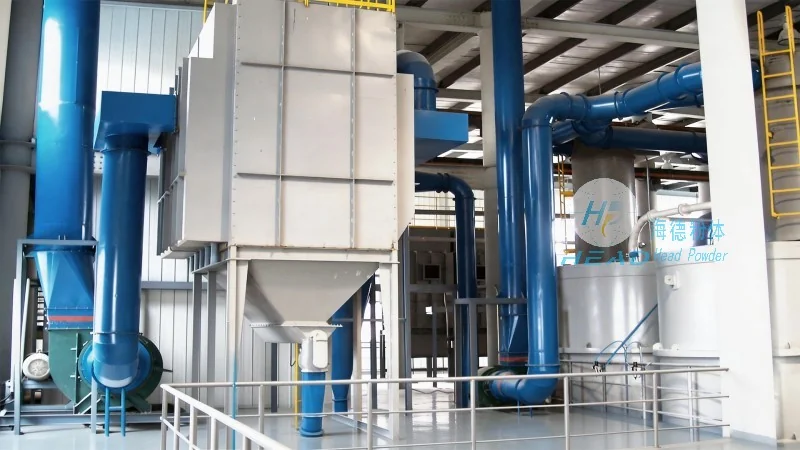
Overview of Wood Dust Pneumatic Conveying Systems
Wood dust pneumatic conveying systems are designed to handle fine wood particles, which are often challenging to transport using traditional methods like belts or buckets. The core components of these systems typically include a dust source, a conveying pipeline, a blower or air compressor, and a receiver. The system operates by creating a flow of air within the pipeline, which draws the wood dust particles into the system and transports them to the desired destination. This method not only minimizes dust dispersion in the workplace but also ensures a consistent and reliable material flow.
Key Components and Their Functions
The effectiveness of a wood dust pneumatic conveying system relies on several critical components, each playing a specific role in the overall operation. The dust source, often a hopper or a collection bin, holds the wood dust and feeds it into the system. The conveying pipeline, usually made of metal or flexible tubing, carries the air and dust mixture. The blower or air compressor generates the necessary air pressure to move the material through the pipeline. Finally, the receiver, such as a collection bag or a storage silo, collects the transported wood dust. Each component must be properly sized and maintained to ensure optimal performance and prevent system failures.
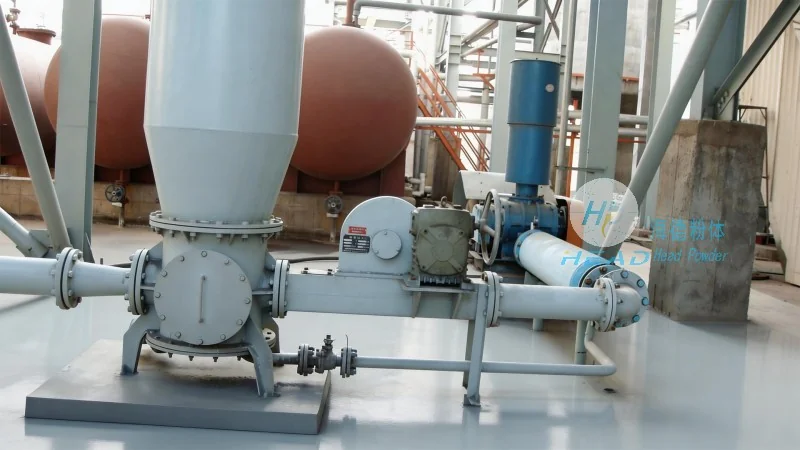
The Operation Process: Step-by-Step Explanation
The operation of a wood dust pneumatic conveying system involves several sequential steps. First, the wood dust is fed into the dust source. Then, the blower starts and creates a low-pressure zone within the pipeline. This pressure difference draws the wood dust particles into the pipeline along with the air stream. As the mixture travels through the pipeline, it may encounter various components like bends, filters, or cyclones, which help to separate larger particles or filter out impurities. The wood dust is then deposited into the receiver at the end of the pipeline. The entire process is continuous and can be adjusted to handle varying volumes of wood dust, making it suitable for both small-scale and large-scale applications.
Working Principle: How It Works
The working principle of wood dust pneumatic conveying equipment is based on the principle of fluidization and pneumatic transport. When air is introduced into the pipeline at a sufficient velocity, it lifts the wood dust particles and keeps them suspended in the air stream. This creates a dense phase flow, where the particles are carried along with the air. The velocity of the air must be high enough to overcome the gravitational force acting on the particles but not so high as to cause excessive wear on the pipeline or components. The system's efficiency depends on maintaining the correct air velocity and pressure, which can be controlled by adjusting the blower speed or the system's design parameters.
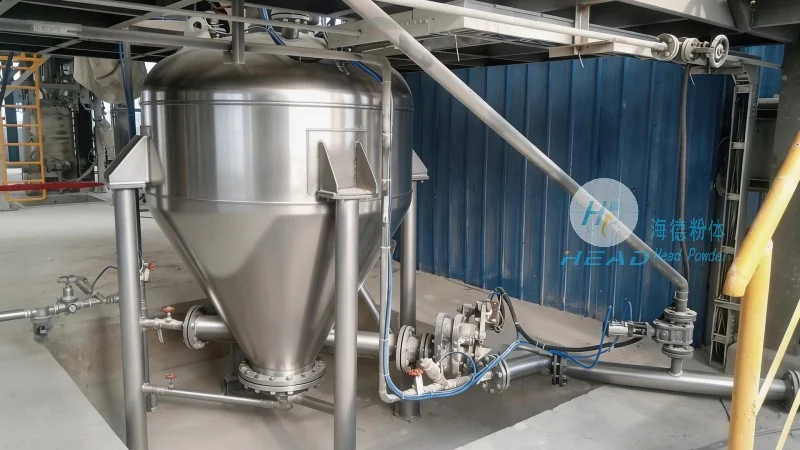
Advantages of Using Wood Dust Pneumatic Conveying Equipment
Wood dust pneumatic conveying systems offer several advantages over traditional material handling methods. Firstly, they provide a dust-free environment, as the dust is contained within the pipeline and does not escape into the workplace. This improves air quality and reduces the risk of respiratory issues for workers. Secondly, the system is compact and can be installed in various layouts, making it suitable for both new and existing facilities. Thirdly, it offers high efficiency in transporting fine particles, with minimal material loss and consistent flow rates. Additionally, the system can be easily integrated with other processes, such as dust collection or material processing, enhancing overall operational efficiency.
Applications in the Wood Industry
Wood dust pneumatic conveying equipment is widely used in various applications within the wood industry. It is commonly employed in sawmills to transport wood dust from the cutting and grinding processes to dust collection systems. In woodworking factories, it helps to move wood dust from sanding and polishing operations to storage or recycling facilities. Additionally, it is used in the production of wood-based panels, such as particleboard and MDF, where fine wood particles are required for the manufacturing process. The versatility of these systems makes them indispensable in modern wood processing operations.
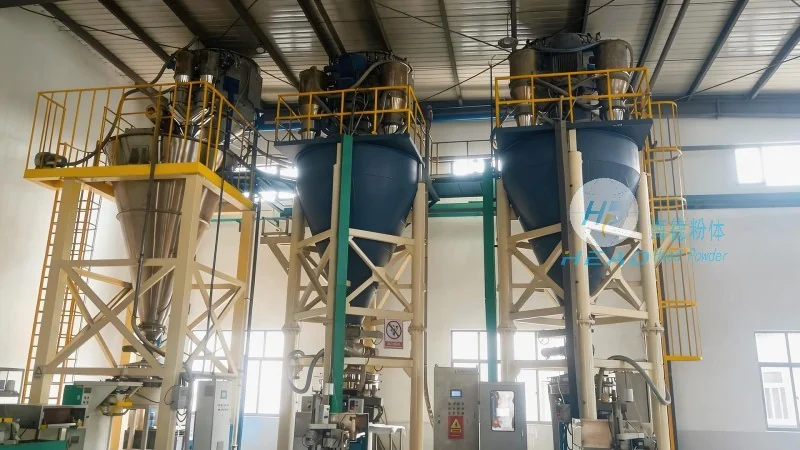
Maintenance and Operational Tips
To ensure the long-term performance and reliability of wood dust pneumatic conveying equipment, regular maintenance is essential. Regular cleaning of the pipeline and components is necessary to prevent the buildup of dust and debris, which can reduce the system's efficiency and cause blockages. The blower and air compressor should be checked regularly for proper operation and lubrication. Filters and cyclones should be inspected and replaced as needed to maintain air quality and prevent clogging. Additionally, monitoring the system's pressure and flow rates can help identify any issues early, allowing for timely maintenance and preventing system downtime.
About Shandong HeadPowder Engineering Co., Ltd.
Shandong HeadPowder Engineering Co., Ltd., commonly known as headpowder, is a leading manufacturer of wood dust pneumatic conveying equipment and related industrial solutions. With a strong focus on innovation and quality, the company has been serving the wood processing and dust collection industries for many years. Headpowder's products are designed to meet the specific needs of customers, offering reliable and efficient solutions for material handling. The company's headquarters is located in Shandong, China, where it has a team of experienced engineers and technicians dedicated to developing and manufacturing high-quality equipment. Headpowder is committed to providing excellent customer service and support, ensuring that its clients receive the best possible solutions for their industrial needs.