

Operation Process and Working Principle of Tailings Slurry Pneumatic Conveying Systems
Efficient and reliable transportation of tailings slurry is a critical aspect of modern mining operations, and the pneumatic conveying system has emerged as a preferred solution for handling these materials. This article provides an in-depth exploration of the operation process and working principle of tailings slurry pneumatic conveying systems, highlighting the technical advancements and practical applications that make them indispensable in the industry.
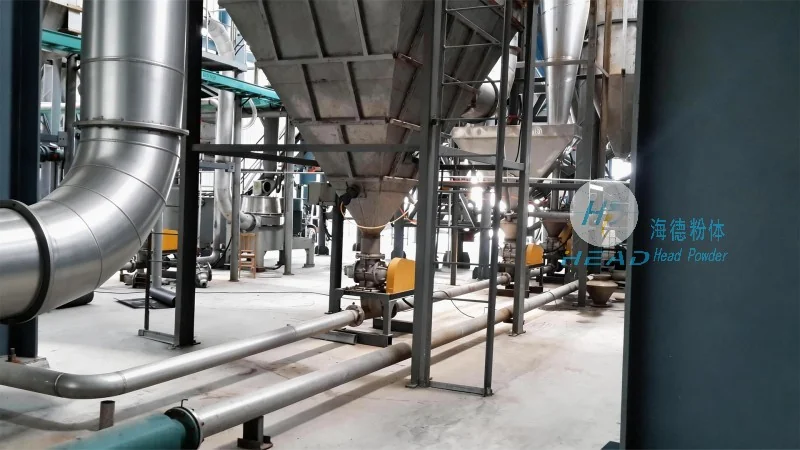
Introduction to Tailings Slurry Pneumatic Conveying Systems
Tailings are the fine-grained solid residues left after mineral processing. The transportation of these slurry materials requires specialized equipment capable of handling high concentrations of solids and maintaining consistent flow rates. Pneumatic conveying systems utilize air or gas to transport tailings slurry through pipelines, offering advantages such as reduced equipment wear, minimal maintenance, and the ability to transport materials over long distances without the need for mechanical components like belts or buckets.
Key Components of a Tailings Slurry Pneumatic Conveying System
The effectiveness of a tailings slurry pneumatic conveying system depends on several key components that work in tandem to ensure smooth operation. These components include the slurry feed system, air supply unit, conveying pipeline, and control system. The slurry feed system is responsible for introducing the tailings slurry into the system, often using pumps or gravity feed mechanisms. The air supply unit generates the necessary pressure and volume of air to move the slurry through the pipeline. The conveying pipeline, typically made of corrosion-resistant materials like stainless steel or polyethylene, transports the slurry and air mixture. The control system monitors and regulates the flow rates, pressure, and other parameters to maintain optimal performance.
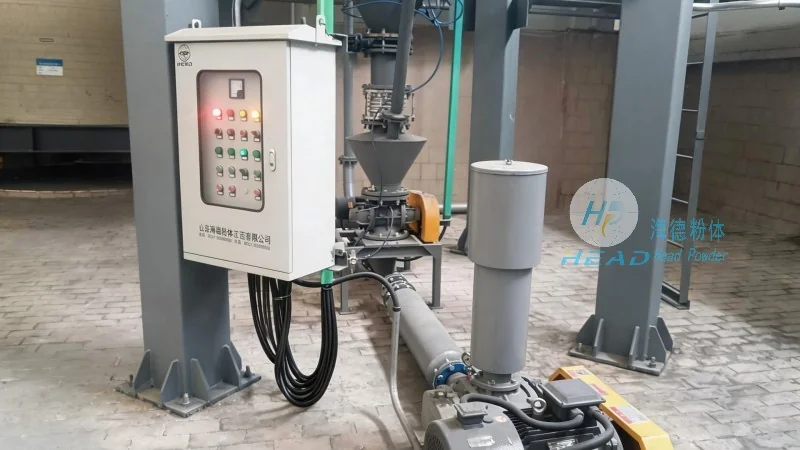
Working Principle of the Pneumatic Conveying Process
The working principle of a tailings slurry pneumatic conveying system is based on the interaction between the slurry and the air stream. When air is introduced into the pipeline at a high velocity, it creates a negative pressure or suction effect that draws the slurry into the pipeline. The slurry is then carried along by the air, forming a slurry-air mixture that travels through the pipeline to the discharge point. The system operates under either positive pressure or negative pressure (suction) modes, depending on the application requirements. Positive pressure systems use compressed air to push the slurry, while suction systems use vacuum to pull the slurry from the source. The choice between these modes depends on factors such as the distance to be covered, the concentration of the slurry, and the required flow rate.
Operation Process of Tailings Slurry Pneumatic Conveying
The operation process of a tailings slurry pneumatic conveying system involves several sequential steps that ensure efficient material transport. First, the tailings slurry is prepared at the source, typically in a storage tank or hopper. The slurry is then pumped or gravity-fed into the feed system. Simultaneously, the air supply unit generates the required air pressure or vacuum. The slurry is introduced into the pipeline, where it mixes with the air stream and is conveyed to the destination. At the discharge point, the slurry is separated from the air, often using a cyclone or separator, and the air is recirculated back to the system. The control system continuously monitors the system parameters, adjusting the air flow and slurry feed rates as needed to maintain stable operation. This process ensures that the tailings slurry is transported safely and efficiently, minimizing downtime and operational costs.
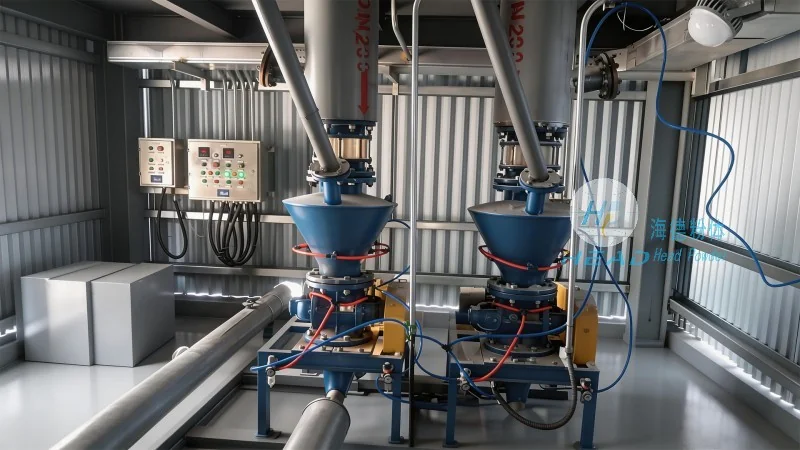
Advantages of Tailings Slurry Pneumatic Conveying Systems
Tailings slurry pneumatic conveying systems offer several advantages over traditional mechanical conveying methods. These include reduced equipment wear and maintenance costs, as there are no moving parts in direct contact with the slurry. The system is also less susceptible to blockages and clogging, as the air stream helps to keep the pipeline clear. Additionally, pneumatic conveying systems can handle high concentrations of solids, making them suitable for transporting tailings with high solids content. The ability to transport materials over long distances without the need for intermediate storage or transfer points also enhances operational efficiency. Furthermore, the system is environmentally friendly, as it reduces the need for water usage and minimizes the risk of spills or leaks.
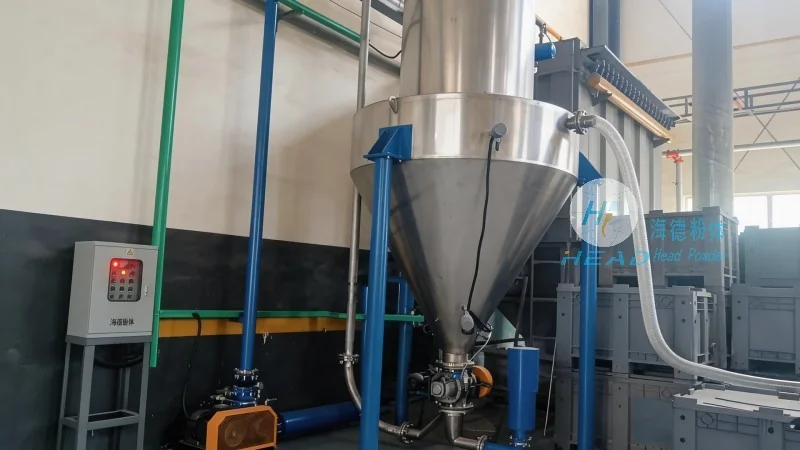
Applications and Industries
Tailings slurry pneumatic conveying systems are widely used in various industries, particularly in mining and mineral processing. They are used to transport tailings from the processing plant to disposal sites, such as tailings dams or storage facilities. The systems are also used in other applications, such as the transport of slurry in chemical and food processing industries. The versatility of the system makes it suitable for a wide range of applications, from small-scale operations to large industrial facilities.
Conclusion and Company Information
Tailings slurry pneumatic conveying systems are a critical component of modern mining operations, providing efficient and reliable transportation of tailings materials. The operation process and working principle of these systems are based on the interaction between slurry and air, utilizing specialized components to ensure smooth and consistent flow. The advantages of pneumatic conveying, including reduced maintenance, minimal wear, and environmental friendliness, make it an attractive option for many industries. As a leading provider of tailings slurry pneumatic conveying systems, Shandong HeadPowder Engineering Co., Ltd. (headpowder) specializes in designing and manufacturing customized solutions to meet the specific needs of clients. With a focus on quality and innovation, headpowder delivers reliable and efficient systems that enhance operational efficiency and reduce costs for mining and processing facilities. Based in Shandong, China, headpowder serves clients worldwide, providing comprehensive support from system design to installation and maintenance. The company's expertise in tailings slurry handling ensures that clients receive tailored solutions that optimize their material transport processes and contribute to overall operational success.