

Operation Process and Working Principle of Powder Pneumatic Conveying Systems
Shandong HeadPowder Engineering Co., Ltd., commonly known as headpowder, specializes in the design, manufacturing, and implementation of advanced powder pneumatic conveying systems. These systems are crucial for efficiently transporting bulk powder materials in various industrial applications, ensuring reliable and safe material handling processes. The company, based in Shandong, China, leverages decades of experience to deliver customized solutions tailored to specific operational needs.
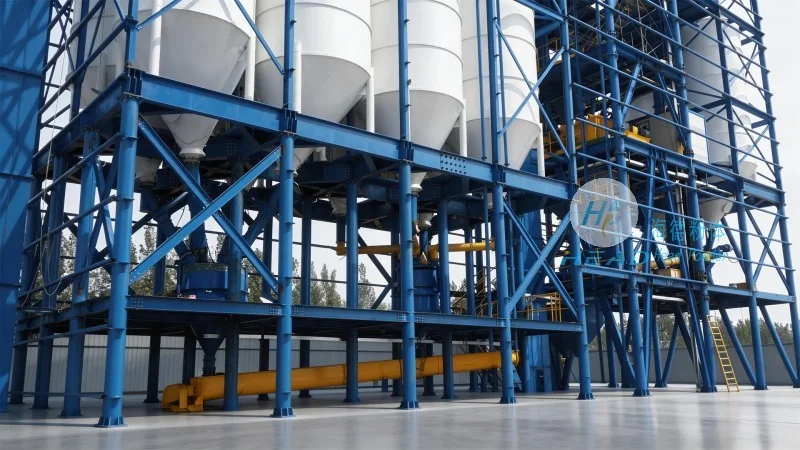
Pneumatic conveying systems operate by using compressed air or other gases to transport solid particles through a pipeline. The fundamental principle involves creating a pressure differential that propels the powder material from the source to the destination. This method offers several advantages over traditional mechanical conveying, including reduced maintenance, lower energy consumption, and the ability to handle a wide range of powder types, from fine powders to bulk materials.
System Components and Working Principle
The core components of a typical powder pneumatic conveying system include the material feed hopper, air compressor or blower, conveying pipeline, separation and collection equipment, and control valves. The material feed hopper stores the powder and feeds it into the system at a controlled rate. The air compressor generates the necessary pressure to move the powder through the pipeline. The conveying pipeline, often made of stainless steel or other corrosion-resistant materials, ensures the material is transported efficiently. The separation and collection equipment, such as cyclones or filters, separate the powder from the air at the receiving end, allowing the powder to be discharged and the air to be recycled or vented.
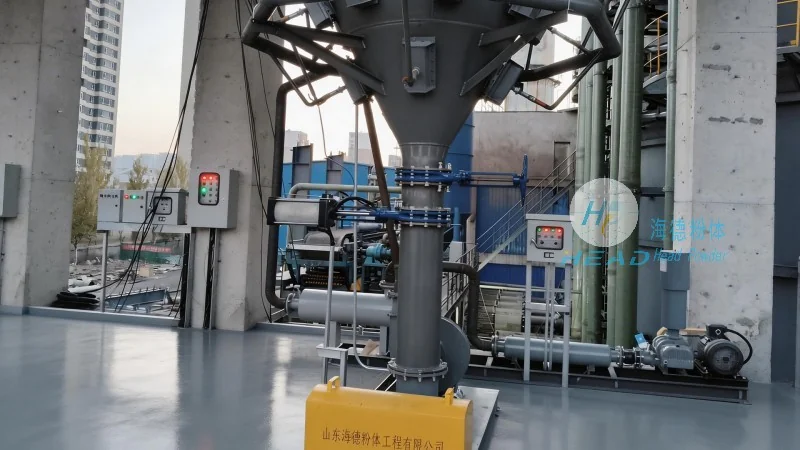
Operation Process: Step-by-Step Guide
The operation of a powder pneumatic conveying system follows a systematic process to ensure optimal performance and material integrity. The initial step involves preparing the system for operation, which includes checking the air compressor pressure, verifying the material feed hopper level, and ensuring all valves are in the correct position. Once the system is ready, the air compressor is started, and the material feed is initiated. The compressed air creates a flow that draws the powder particles into the pipeline, forming a dense phase or dilute phase conveying, depending on the system design and material characteristics.
During the conveying process, the system continuously monitors key parameters such as pressure, flow rate, and material level. Operators can adjust the air pressure or feed rate to maintain stable operation and prevent issues like blockages or excessive pressure drops. The receiving end of the system uses separation equipment to capture the powder, which is then collected in a storage bin or directly transferred to the next processing stage. The air, now free of powder particles, is either filtered and recycled back to the system or vented to the atmosphere, depending on the system configuration and environmental regulations.
Key Considerations for Efficient Operation
Several factors contribute to the efficient and reliable operation of powder pneumatic conveying systems. Proper material selection is critical, as different powders have varying flow properties and particle sizes, which may require adjustments to the system design. The choice of conveying method—such as dense phase or dilute phase—depends on the material's characteristics and the distance to be transported. Dense phase conveying, which involves higher air-to-material ratios, is suitable for fine powders and longer distances, while dilute phase conveying is more efficient for bulk materials over shorter distances.
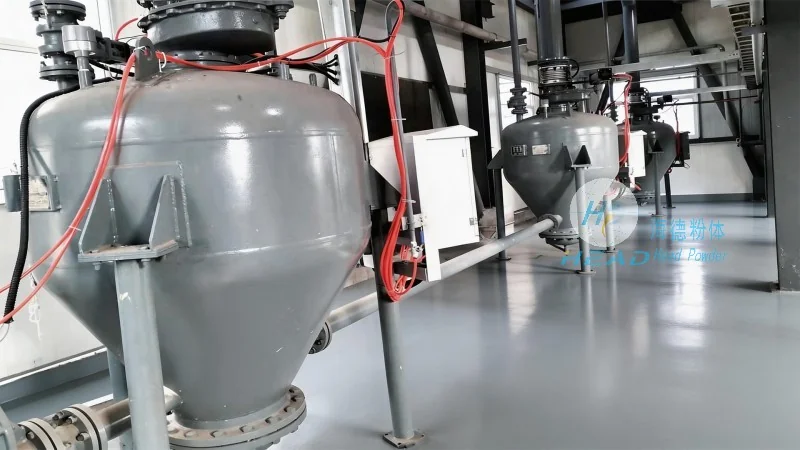
Regular maintenance is essential to prevent system downtime and ensure long-term performance. This includes inspecting the air compressor for wear, cleaning the separation equipment to maintain efficiency, and checking the pipeline for blockages or leaks. Headpowder provides comprehensive maintenance services and technical support to help clients optimize their systems and address any operational challenges.
Applications and Benefits
Powder pneumatic conveying systems are widely used in industries such as pharmaceuticals, food processing, chemicals, and minerals. They enable the safe and hygienic handling of sensitive materials, reducing the risk of contamination and improving product quality. The systems also offer flexibility in material transport, allowing for multiple destinations and varying flow rates as needed. By leveraging advanced technology and expertise, Shandong HeadPowder Engineering Co., Ltd. helps industries enhance their operational efficiency and achieve cost savings through optimized material handling solutions.