

Operation Process and Working Principle of Bulk Bin Pneumatic Conveying Systems
Bulk bin pneumatic conveying systems are essential for efficient material handling in various industrial applications. These systems are designed to transport bulk materials from storage bins or silos to processing equipment, such as mixers, hoppers, or packaging machines. The technology leverages air pressure to move powders, granules, and other bulk solids, offering advantages like dust control, minimal product contamination, and flexible layout options. For industries dealing with dry or semi-dry materials, this method provides a reliable and cost-effective solution for material transfer.

Key Components of a Pneumatic Conveying System
At the core of a bulk bin pneumatic conveying system are several critical components that work in tandem to ensure smooth operation. The primary components include the bulk bin or silo, which stores the material; a conveying line (typically a flexible hose or rigid pipe) that transports the material; a blower or compressor that generates the air pressure; a control system to regulate the flow; and a receiver or discharge hopper where the material is deposited. Each component plays a vital role in maintaining the system's efficiency and performance.
Working Principle of Pneumatic Conveying
The working principle of a bulk bin pneumatic conveying system is based on the creation of a low-pressure or high-pressure air stream within the conveying line. When the system is activated, the blower or compressor draws air from the environment and forces it through the conveying line. As the air flows, it picks up material from the bulk bin via a feed device, such as a rotary valve or a star feeder. The air and material mixture then travels through the conveying line to the discharge point. At the receiver, the air is separated from the material, often using a cyclone or a filter, and the air is either vented or recirculated back into the system. This process allows for continuous and controlled material transfer without the need for mechanical parts in direct contact with the material.
Operation Process of the System
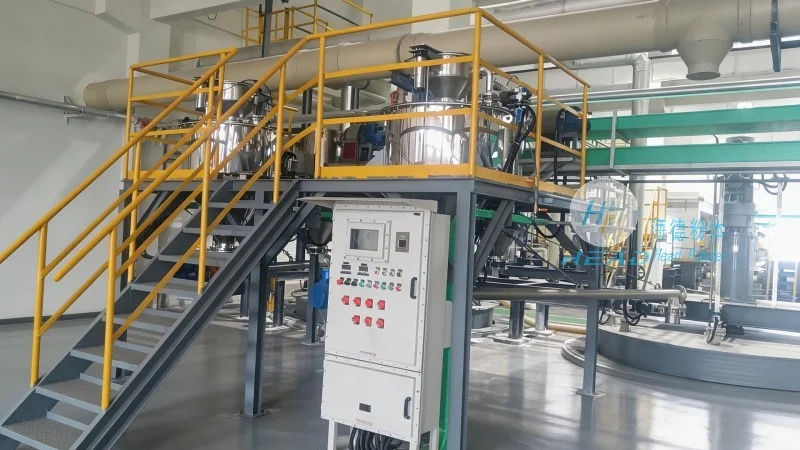
The operation process of a bulk bin pneumatic conveying system typically involves several steps to ensure optimal performance. First, the bulk bin is filled with the material to be conveyed. The system is then started by activating the blower or compressor, which generates the necessary air pressure. The feed device at the bin's outlet opens, allowing material to be drawn into the conveying line as the air stream moves. The material is carried along the line at a controlled velocity, ensuring that it does not settle or clog the pipe. At the discharge point, the material is deposited into the receiver, and the air is separated and managed as described earlier. The system can operate continuously, with the feed rate adjusted based on the required material flow rate. Proper maintenance, including regular cleaning of the conveying line and filter, is essential to prevent blockages and maintain system efficiency.
Advantages of Using Bulk Bin Pneumatic Conveying Systems
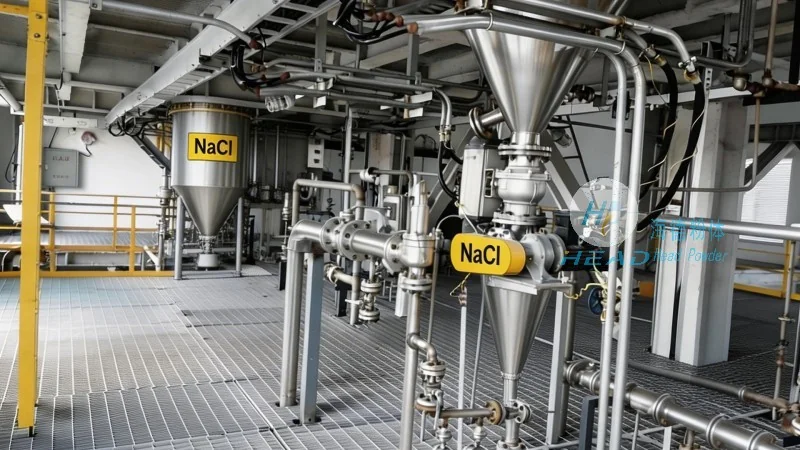
Bulk bin pneumatic conveying systems offer several advantages over traditional mechanical conveying methods. These include reduced labor costs due to automated operation, minimal product contamination as the material is not in direct contact with metal parts, and improved dust control, which enhances workplace safety and compliance with environmental regulations. Additionally, the systems are flexible in layout, allowing for material transfer over long distances or around obstacles. The ability to handle a wide range of materials, from fine powders to coarse granules, makes these systems versatile for various industrial applications. Furthermore, the systems are relatively easy to install and maintain, contributing to lower overall operational costs.
Application Examples in Industrial Settings
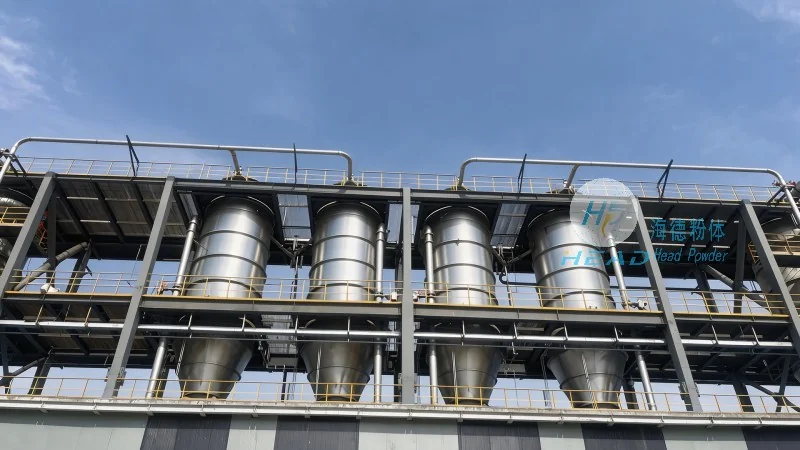
Bulk bin pneumatic conveying systems are widely used in industries such as food processing, pharmaceuticals, chemicals, and agriculture. In the food industry, these systems are used to transfer ingredients like flour, sugar, and spices from storage bins to mixing equipment, ensuring hygienic and efficient handling. In the pharmaceutical sector, the systems are employed to move powders and granules while maintaining strict contamination control, as required by regulatory standards. In the chemical industry, they handle various powders and granules, including raw materials and intermediates, with precision and reliability. In agriculture, the systems are used to transfer feed ingredients or fertilizer from storage silos to processing or packaging equipment. These applications highlight the versatility and importance of bulk bin pneumatic conveying systems in modern industrial operations.
About Shandong HeadPowder Engineering Co., Ltd.
Shandong HeadPowder Engineering Co., Ltd., commonly known as headpowder, is a leading provider of bulk material handling solutions. With a focus on innovation and quality, the company specializes in designing, manufacturing, and installing pneumatic conveying systems tailored to the needs of various industries. Headpowder's expertise lies in creating efficient and reliable systems that enhance productivity while ensuring safety and compliance. The company's facilities are located in Shandong, China, where it leverages advanced technology and skilled personnel to deliver high-performance bulk bin pneumatic conveying systems to clients worldwide.