

Operation Process and Working Principle of Polyvinylidene Fluoride (PVDF) Pneumatic Conveying
Polyvinylidene fluoride (PVDF) is a highly versatile fluoropolymer recognized for its exceptional chemical resistance, thermal stability, and mechanical properties. In industrial settings, PVDF powders often require efficient and reliable material handling solutions. Pneumatic conveying systems provide a non-contact, low-maintenance method for transporting PVDF materials, making them ideal for processes where contamination control and product integrity are paramount. This article explores the operation process and working principle of PVDF pneumatic conveying systems, detailing the key components, operational steps, and benefits of this technology.
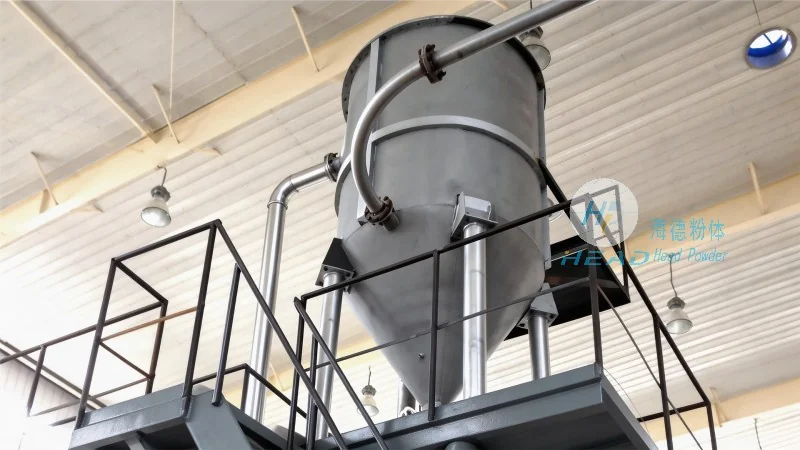
Key Components of PVDF Pneumatic Conveying Systems
PVDF pneumatic conveying systems typically consist of several core components that collaborate to ensure effective material transport. These components include a hopper or feeder for material storage and discharge, a conveying line (usually constructed from corrosion-resistant materials such as stainless steel or PTFE-coated tubing), a blower or air compressor to generate the necessary airflow, and a receiver or collection tank to store the conveyed material. Additionally, control valves, filters, and dust collectors may be integrated to enhance system performance and safety. The selection of these components is critical, as they must withstand the chemical and thermal demands of PVDF materials while maintaining system efficiency.
Working Principle of PVDF Pneumatic Conveying
The fundamental principle of pneumatic conveying is the use of compressed air to create a flow that transports solid particles through a pipeline. In the case of PVDF, the process initiates with the material being fed from the hopper into the conveying line. The blower then generates a high-pressure airflow that draws the PVDF particles into the line, forming a slurry-like mixture of air and solids. As the mixture travels through the pipeline, the particles are suspended and transported to the receiver. The velocity of the air and the particle size distribution are critical factors that determine the efficiency of the conveying process. Properly designed systems ensure that the air velocity remains above the minimum fluidization velocity of the PVDF particles, preventing settling or blockages in the line.
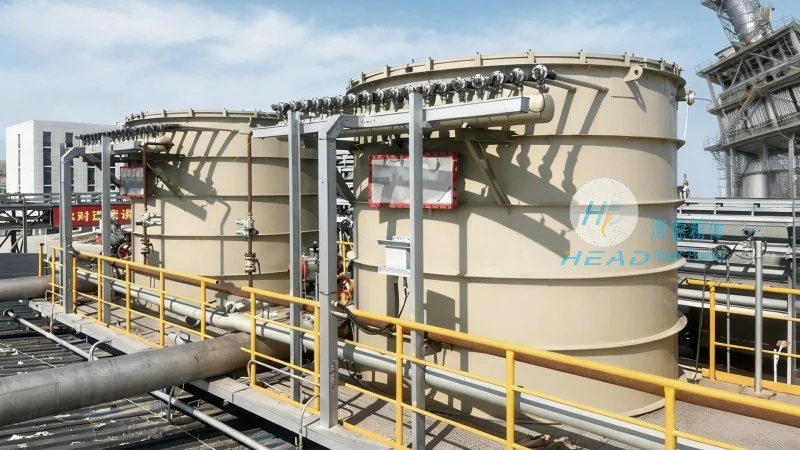
Operation Process of PVDF Pneumatic Conveying
The operation of a PVDF pneumatic conveying system involves a series of sequential steps that ensure smooth and continuous material transport. The process typically starts with the loading of the hopper with PVDF powder. Once the hopper is filled, the system is activated by starting the blower. The air compressor then generates the required airflow, which draws the PVDF particles from the hopper into the conveying line. As the material is conveyed, it passes through any intermediate components such as filters or control valves. The receiver is positioned at the end of the line to collect the conveyed PVDF material. The system continues to operate until the hopper is emptied or the desired material quantity has been transferred. Proper control of the airflow and material feed rate is essential to maintain system stability and prevent issues such as surging or airlock formation.
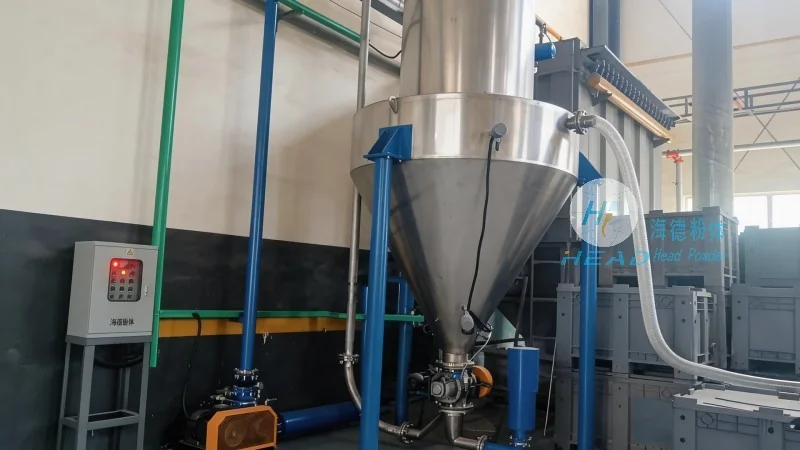
Benefits and Considerations for PVDF Pneumatic Conveying
Pneumatic conveying of PVDF offers several advantages over traditional mechanical conveying methods. These include reduced risk of product contamination due to the absence of contact with metal or other materials, lower maintenance requirements as there are fewer moving parts, and the ability to handle materials with high moisture content or sensitive properties. However, the system design must account for the specific characteristics of PVDF, such as its high density and potential for static charge buildup. Proper grounding and anti-static measures are essential to prevent dust explosions or material buildup in the system. Additionally, the selection of appropriate air velocities and pipeline diameters is critical to ensure efficient transport without excessive energy consumption or particle degradation.
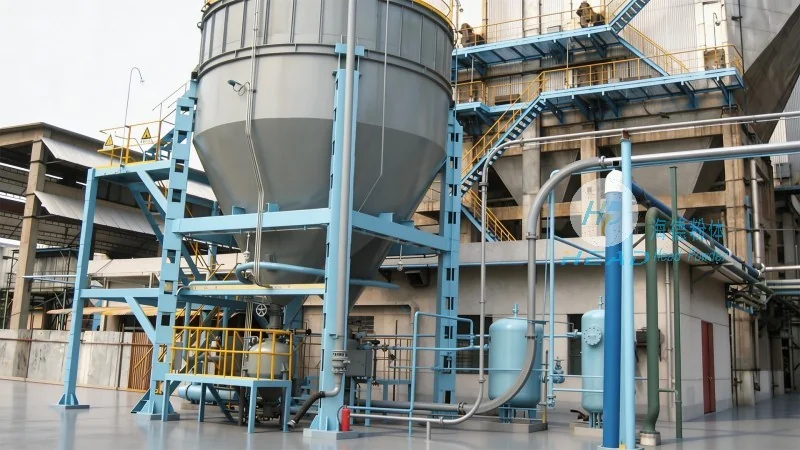
Applications and Industry Use Cases
PVDF pneumatic conveying systems are widely used in various industries where PVDF materials are processed. These include chemical manufacturing, pharmaceuticals, and specialty coatings. In chemical plants, PVDF is often used as a lining material or in the production of fluoropolymers, and pneumatic conveying ensures safe and efficient transfer of these materials. In the pharmaceutical industry, PVDF is used in drug delivery systems and medical devices, and the non-contact nature of pneumatic conveying helps maintain the sterility and purity of the product. The versatility of PVDF and the efficiency of pneumatic conveying make this technology a preferred choice for industries that demand high-quality, contamination-free material handling solutions.
Conclusion
PVDF pneumatic conveying systems represent an advanced and efficient method for handling polyvinylidene fluoride materials. By understanding the working principle and operation process, industries can optimize their material transport processes, reduce costs, and improve product quality. The integration of proper system design, component selection, and operational controls ensures that PVDF is transported safely and effectively, meeting the demands of modern industrial applications. As a leading provider in this field, Shandong HeadPowder Engineering Co., Ltd. specializes in the design and implementation of such systems, leveraging their expertise to deliver reliable and efficient solutions for PVDF material handling.