

Operation Process and Working Principle of Chlorinated Polyethylene Pneumatic Conveying
Chlorinated polyethylene (CPE) is a widely used polymer material in various industrial applications, and its efficient handling through pneumatic conveying systems is crucial for maintaining production efficiency. This article provides an in-depth look at the operation process and working principle of CPE pneumatic conveying, highlighting the key aspects that ensure smooth and reliable material transport.
Company Overview: HeadPowder Engineering
Shandong HeadPowder Engineering Co., Ltd., commonly known as HeadPowder, is a leading manufacturer specializing in engineering solutions for material handling, particularly in the field of pneumatic conveying systems. With a strong presence in China, the company has established itself as a trusted provider of high-quality equipment and services for industries dealing with polymer materials like CPE. HeadPowder’s commitment to innovation and customer satisfaction drives its ability to deliver tailored solutions that meet the specific needs of clients.
The Operation Process of CPE Pneumatic Conveying
The operation process of CPE pneumatic conveying involves several critical steps designed to ensure the safe and efficient transport of the material. The process typically begins with the preparation of the CPE material, which may include drying or conditioning to remove moisture and ensure consistent particle size. This step is essential to prevent blockages and maintain the integrity of the conveying system.
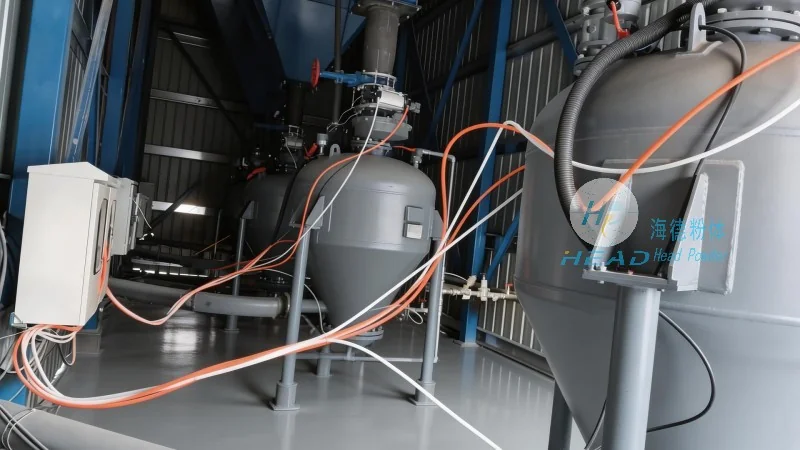
Once the material is prepared, it is fed into the conveying system through a hopper or feeder. The feeder controls the flow rate of the CPE, ensuring a steady and controlled supply to the system. The material then enters the conveying line, where it is propelled by a high-velocity air stream. The air is generated by a blower or fan, which creates the necessary pressure and velocity to move the material through the pipeline.
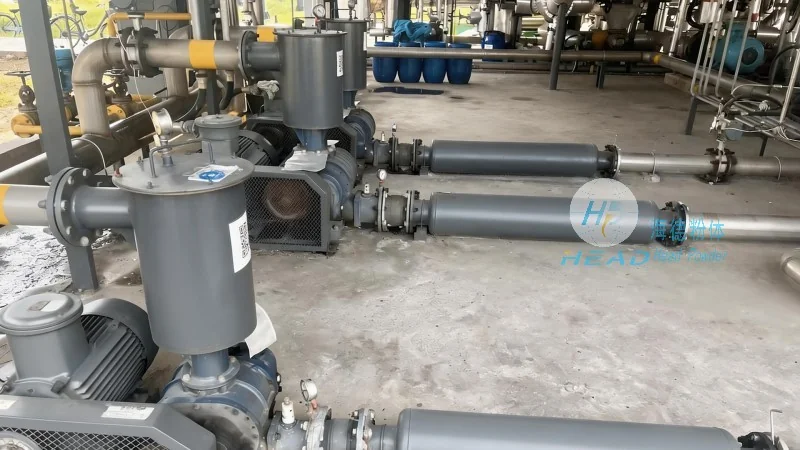
During the conveying process, the CPE particles are suspended in the air stream and transported to the destination point, such as a storage silo or processing unit. The system may include intermediate points like cyclones or filters to separate the material from the air and ensure that the material reaches its intended location without loss or contamination. The operation process is carefully designed to minimize energy consumption and maximize the efficiency of material transport, making it an ideal solution for industrial applications.
The Working Principle of CPE Pneumatic Conveying
The working principle of CPE pneumatic conveying is based on the fundamental concept of fluidization and suspension of solid particles in a gas stream. The system operates by creating a high-velocity air flow that entrains the CPE particles, allowing them to be transported through the pipeline. The key components of the system include the feeder, blower, conveying line, and receiving equipment.
The feeder is responsible for delivering the CPE material to the conveying line at a controlled rate. The blower provides the necessary air pressure and velocity to move the material. The conveying line is designed to withstand the pressure and temperature of the system, ensuring that the material is transported safely and efficiently. The receiving equipment, such as a silo or hopper, collects the CPE material and prepares it for further processing.
The efficiency of the pneumatic conveying system depends on several factors, including the particle size and density of the CPE, the air velocity, and the length of the conveying line. Proper design and maintenance of the system are essential to ensure optimal performance and minimize downtime. HeadPowder’s expertise in designing and manufacturing CPE pneumatic conveying systems ensures that clients receive solutions that are tailored to their specific requirements, providing reliable and efficient material handling solutions.
Key Features and Benefits of CPE Pneumatic Conveying
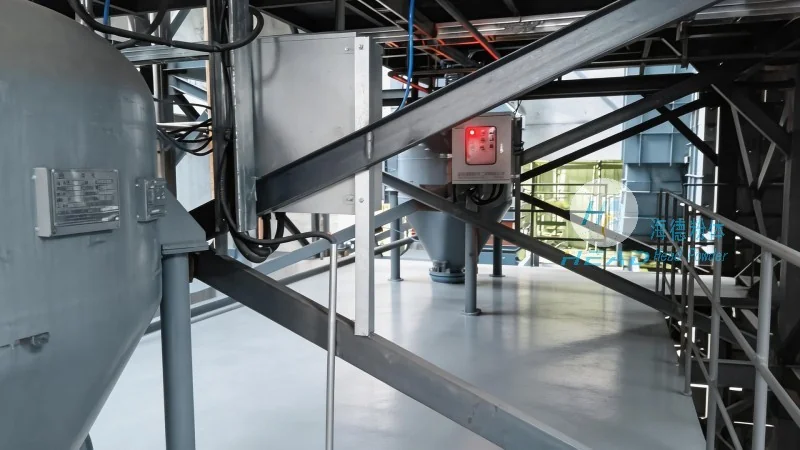
CPE pneumatic conveying systems offer several advantages over traditional material handling methods, making them a preferred choice for many industries. One of the primary benefits is the ability to transport CPE material in a closed system, which helps to prevent dust contamination and improve safety in the workplace. The closed system also reduces the risk of material loss and improves overall efficiency.
Another key advantage is the flexibility of the system, which can be customized to meet the specific needs of different applications. The system can handle a wide range of particle sizes and flow rates, making it suitable for various industrial processes. Additionally, the system is relatively low maintenance, with minimal moving parts that require regular servicing.
HeadPowder’s CPE pneumatic conveying systems are designed with these benefits in mind, providing clients with reliable and efficient solutions that enhance their production processes. The company’s expertise in material handling and engineering ensures that each system is tailored to the unique requirements of the client, resulting in optimal performance and long-term cost savings.