

Operation Process and Working Principle of Sodium Fluorosilicate Pneumatic Conveying
Understanding the operation process and working principle of sodium fluorosilicate pneumatic conveying is crucial for optimizing material handling in industrial settings. This article provides a detailed overview of the system, focusing on its components, operational steps, and practical applications, all while highlighting the expertise of Shandong HeadPowder Engineering Co., Ltd., a leading provider based in Shandong, China.
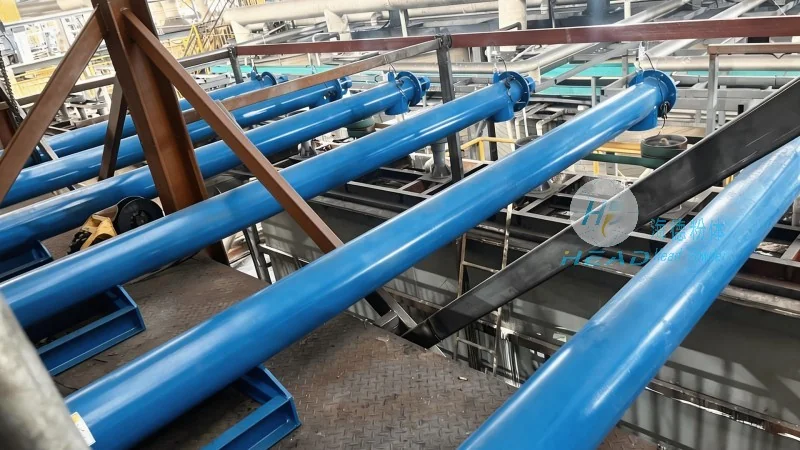
Key Components and Their Functions in Pneumatic Conveying
The pneumatic conveying system for sodium fluorosilicate typically consists of several critical components, each playing a vital role in the efficient transfer of material. The primary components include a material feeder, a conveying pipeline, a blower or compressor for air supply, a filter system to capture fine particles, and a discharge device at the receiving end. The material feeder ensures a consistent flow of sodium fluorosilicate into the system, preventing blockages and maintaining steady operation. The conveying pipeline, often made of stainless steel or other corrosion-resistant materials, transports the material mixed with air. The blower or compressor generates the necessary air pressure to move the material through the pipeline. The filter system is essential for maintaining air quality and preventing dust contamination, while the discharge device controls the release of material at the destination.
The Operational Process of Pneumatic Conveying for Sodium Fluorosilicate
The operation of a sodium fluorosilicate pneumatic conveying system follows a systematic sequence of steps. Initially, the system is prepared by ensuring all components are properly connected and the air supply is activated. The material feeder then starts feeding sodium fluorosilicate into the pipeline. As the material enters, the blower generates air pressure, which mixes with the material, creating a slurry-like mixture. This mixture is then propelled through the conveying pipeline to the receiving container or processing unit. The speed and pressure of the air are carefully controlled to maintain a stable flow without causing excessive wear on the system components. The process continues until the desired amount of sodium fluorosilicate is transferred. Finally, the system is shut down, and the air pressure is released, allowing for the cleaning and maintenance of the pipeline if necessary.
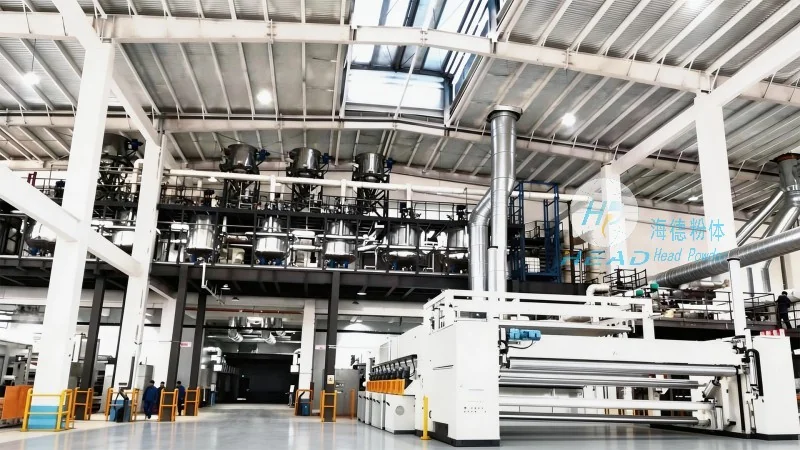
Working Principle: How the System Transfers Material
The working principle of pneumatic conveying for sodium fluorosilicate relies on the interaction between air and solid particles. In this system, air is used as the conveying medium to transport the material. The system can operate under either positive pressure (where air is forced into the pipeline) or negative pressure (where air is drawn out of the pipeline). For sodium fluorosilicate, positive pressure systems are commonly used due to their ability to handle abrasive materials and prevent dust emissions. The air flow creates a low-pressure zone within the pipeline, which pulls the material along with it. The velocity of the air must be sufficient to overcome the gravitational force acting on the particles and any friction within the pipeline. By maintaining an appropriate air velocity, the system ensures that the sodium fluorosilicate particles remain suspended and are efficiently transported to the destination. The filter system at the end of the pipeline captures any fine particles that may have escaped, ensuring that the air released is clean and the material is fully transferred.
Advantages of Using Pneumatic Conveying for Sodium Fluorosilicate
Pneumatic conveying offers several advantages when handling sodium fluorosilicate. One of the most significant benefits is the high efficiency in material transfer, as the system can move large quantities of material over long distances with minimal labor. The process is also highly automated, reducing the risk of human error and improving safety in the workplace. Additionally, pneumatic conveying is a clean method, as it minimizes dust and contamination compared to traditional bulk handling methods. The system is also flexible, allowing for changes in the route or destination of the material without major modifications. Furthermore, the use of corrosion-resistant materials in the pipeline and components ensures the longevity of the system, even when handling chemically active substances like sodium fluorosilicate. These advantages make pneumatic conveying an ideal solution for industrial applications where reliability and efficiency are paramount.
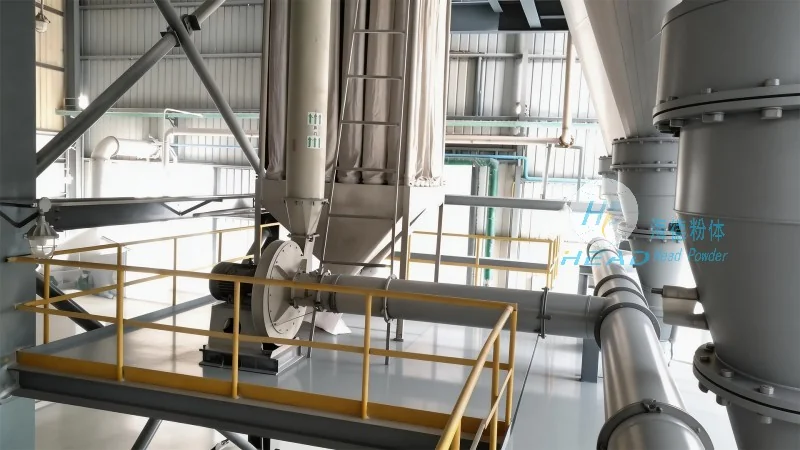
Application Scenarios and Practical Considerations
Sodium fluorosilicate pneumatic conveying systems are widely used in various industrial applications, including chemical manufacturing, mining, and food processing. In chemical plants, the system is often employed to transport sodium fluorosilicate from storage silos to processing units or packaging areas. The flexibility of the system allows it to be integrated into existing production lines, enhancing overall operational efficiency. In mining operations, pneumatic conveying is used to transport ore or byproducts over long distances, reducing the need for trucks and other heavy machinery. Practical considerations when implementing such a system include the characteristics of the sodium fluorosilicate, such as its particle size, moisture content, and abrasiveness. The system design must be tailored to these properties to ensure optimal performance. Additionally, the selection of the blower or compressor, the size of the conveying pipeline, and the placement of the filter system are critical factors that impact the system's efficiency and longevity. Regular maintenance and monitoring of the system are also essential to prevent downtime and ensure consistent performance.
Conclusion
In conclusion, the operation process and working principle of sodium fluorosilicate pneumatic conveying systems are complex but highly effective for material handling. By understanding the key components, operational steps, and practical considerations, industries can optimize their material transfer processes, improving efficiency and reducing costs. Shandong HeadPowder Engineering Co., Ltd. specializes in designing and implementing such systems, leveraging years of experience to provide customized solutions that meet the specific needs of their clients. With a focus on quality and reliability, the company ensures that their pneumatic conveying systems operate at peak performance, delivering superior results for their customers in Shandong, China and beyond.