

Operation Process and Working Principle of Pneumatic Conveying for Aluminum Batteries
HeadPowder, a leading manufacturer based in Shandong, China, specializes in advanced pneumatic conveying systems tailored for aluminum battery applications. This article provides a detailed overview of the operational process and working principles behind these systems, highlighting their efficiency and reliability in material handling.

Introduction to Pneumatic Conveying Systems for Aluminum Batteries
Pneumatic conveying systems are essential for the efficient transport of aluminum powders and related components used in battery manufacturing. These systems utilize air or gas to move materials through a pipeline network, eliminating the need for mechanical components like belts or buckets. The technology is particularly valuable in aluminum battery production due to the material's light weight, high reactivity, and the need for contamination-free handling.
Key Components of the Pneumatic Conveying System
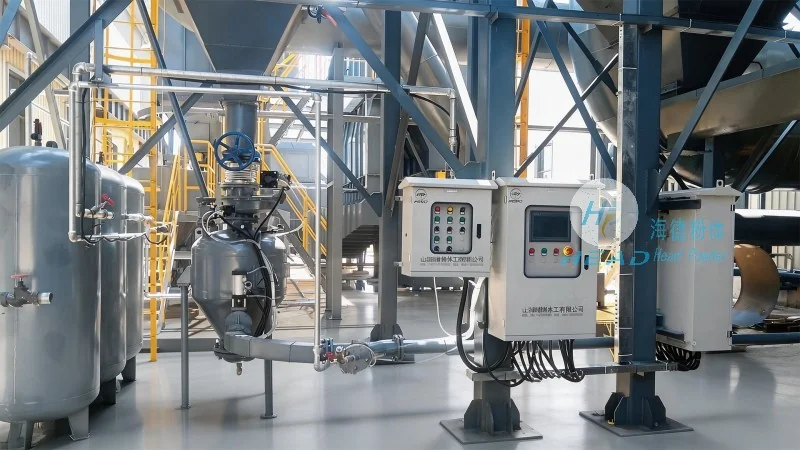
The pneumatic conveying system for aluminum batteries consists of several critical components that work in tandem to ensure smooth material transport. These include the hopper, which stores the aluminum powder; the feeder, responsible for controlling the material flow into the system; the air compressor, which generates the necessary pressure to move the material; the pipeline network, which forms the path for material and air; and the receiver, where the material is deposited at the destination. Each component plays a vital role in maintaining the system's performance and ensuring the integrity of the aluminum powder.
Working Principle of the Pneumatic Conveying Process
The operation of the pneumatic conveying system for aluminum batteries begins with the material being fed from the hopper into the pipeline. The feeder regulates the flow rate, ensuring a consistent supply of aluminum powder. Simultaneously, the air compressor generates high-pressure air, which is introduced into the pipeline. As the air flows through the system, it creates a low-pressure zone that draws the aluminum powder into the air stream. This mixture of air and powder travels through the pipeline to the receiver, where the air is separated from the material, typically through a cyclone or filter system. The purified air is then recirculated back to the compressor, while the aluminum powder is collected in the receiver for further processing.
Operational Process: From Material Loading to Delivery
The operational process of the pneumatic conveying system for aluminum batteries involves several sequential steps that ensure efficient and safe material handling. First, the aluminum powder is loaded into the hopper, which is equipped with a lid to prevent contamination and moisture ingress. The feeder then adjusts its speed to match the required material flow rate, which is determined by the production schedule and the system's capacity. The air compressor starts, and the pressure is gradually increased to the optimal level for conveying. As the system reaches the set pressure, the feeder begins to release the aluminum powder, which is immediately entrained by the air stream. The material travels through the pipeline, which may include bends, expansions, or reductions, all designed to maintain the air-powder mixture's stability. The receiver is positioned at the destination, such as a mixing or processing unit, and is equipped with a discharge valve to control the material release. Once the material is fully transferred, the system is depressurized, and the air is recirculated. The receiver is then emptied, and the cycle repeats as needed.
Advantages of Pneumatic Conveying for Aluminum Batteries
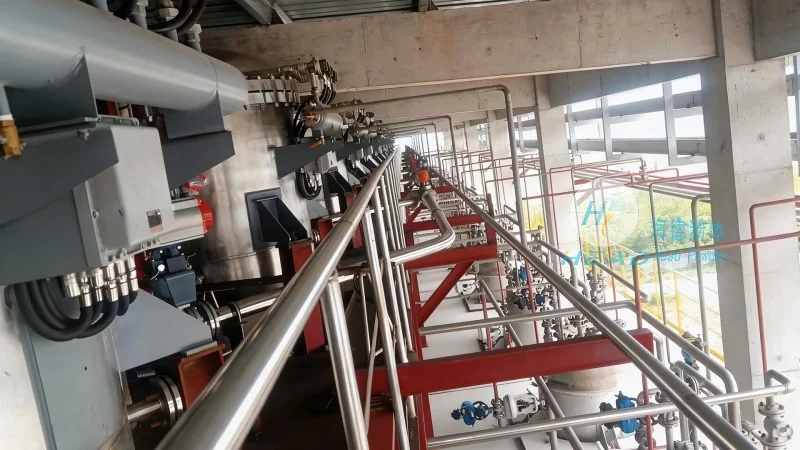
Pneumatic conveying systems offer several advantages when applied to aluminum battery production. These include the ability to handle fine powders without degradation, as the material is not subjected to mechanical stress. The system also provides a closed environment, which is crucial for preventing contamination and maintaining the purity of the aluminum powder, a critical factor in battery performance. Additionally, the system is flexible and can be easily integrated with other manufacturing processes, allowing for seamless material transfer between different stages of battery production. The low maintenance requirements and energy efficiency of pneumatic conveying further enhance its appeal for industrial applications.
Maintenance and Safety Considerations
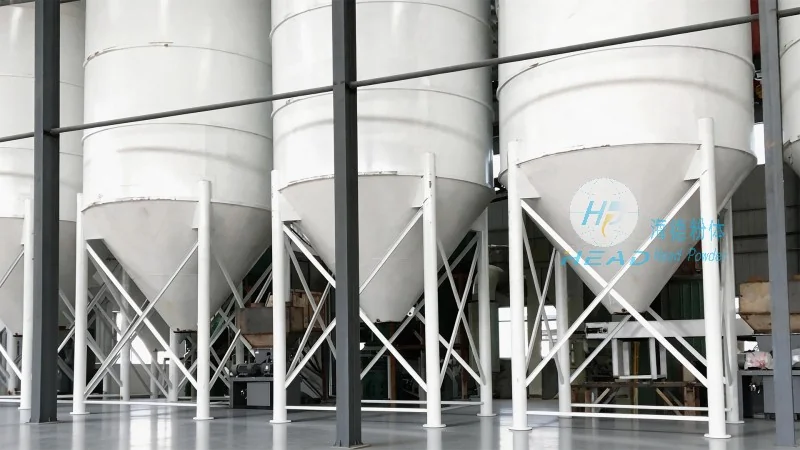
Maintaining the pneumatic conveying system for aluminum batteries is essential to ensure long-term performance and safety. Regular maintenance includes checking the air compressor for proper operation, inspecting the feeder for wear and tear, and cleaning the pipeline and receiver to prevent blockages or contamination. The system should also be equipped with safety features, such as pressure relief valves and air filters, to prevent over-pressurization and ensure the removal of dust particles. Proper training for operators is also necessary to handle the system safely and efficiently. By adhering to these maintenance and safety protocols, the system can operate reliably, minimizing downtime and ensuring the consistent quality of aluminum battery components.
Conclusion
HeadPowder's pneumatic conveying systems for aluminum batteries represent a sophisticated solution for efficient material handling in battery manufacturing. By understanding the operational process and working principles of these systems, manufacturers can optimize their production lines, improve material quality, and enhance overall operational efficiency. The combination of advanced technology and careful design ensures that these systems meet the demanding requirements of aluminum battery production, making them a reliable choice for industrial applications.