

Operation Process and Working Principle of Dried Chili Pepper Pneumatic Conveying
Dried chili peppers are a staple ingredient in many culinary traditions, valued for their vibrant flavor and heat. When it comes to handling these delicate and often brittle products, traditional mechanical conveying methods may pose challenges such as breakage, contamination, or inefficient material flow. Pneumatic conveying offers a solution, providing a gentle yet effective way to transport dried chili peppers while maintaining product integrity. This article explores the operation process and working principle of dried chili pepper pneumatic conveying systems, highlighting the technology's benefits and practical applications.
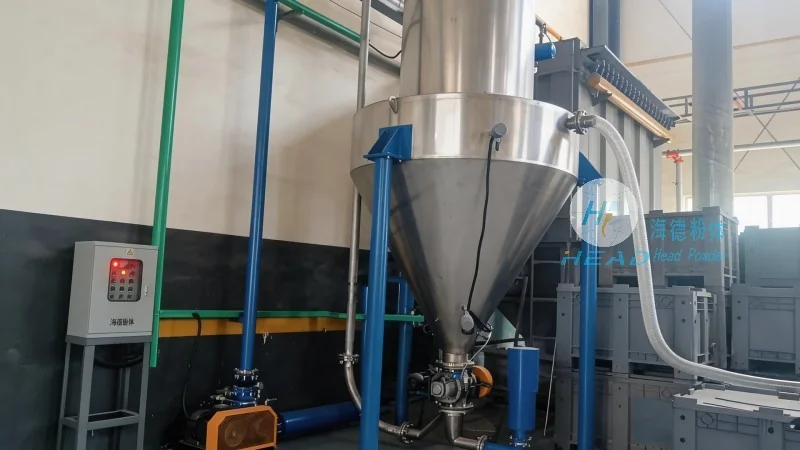
Introduction to Dried Chili Pepper Pneumatic Conveying Systems
Pneumatic conveying, also known as air conveying, is a method of transporting bulk materials through a pipeline using a flow of air. In the context of dried chili peppers, this technology is particularly advantageous due to the product's sensitivity to mechanical stress. Unlike mechanical conveyors that rely on belts, screws, or buckets, pneumatic systems use air pressure to move the material, reducing the risk of damage and ensuring a clean, hygienic transfer. This makes it an ideal choice for food processing facilities where product quality and safety are paramount.
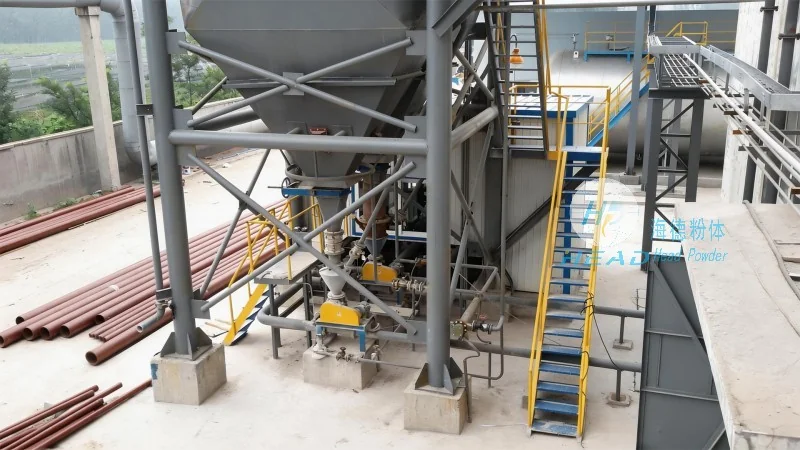
The Operation Process of Dried Chili Pepper Pneumatic Conveying
The operation of a dried chili pepper pneumatic conveying system typically involves several key steps. First, the dried chili peppers are fed into the system via a hopper or feeder, ensuring a consistent flow of material. Next, the material is introduced into the conveying line, where it is carried by a stream of air generated by a blower or fan. The air flow is carefully controlled to maintain the correct velocity, preventing material from settling or sticking to the pipe walls. As the material travels through the pipeline, it may encounter separation or cleaning devices, such as cyclones or filters, which help to remove any debris or dust. Finally, the dried chili peppers are discharged at the destination point, where they are collected in a storage bin or processing unit.
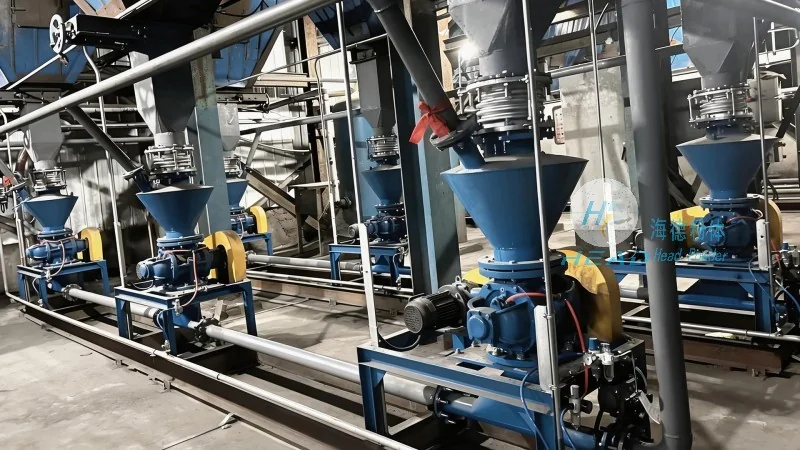
Working Principle of Pneumatic Conveying for Dried Chili Peppers
The working principle of pneumatic conveying for dried chili peppers is based on the interaction between the material and the air flow. In a positive pressure system, a blower creates a high-pressure air stream that pushes the material through the pipeline. The air velocity is typically maintained above the material's terminal velocity to ensure it remains suspended and moves efficiently. In a negative pressure system, a vacuum is created at the discharge end, drawing the material into the pipeline. Both systems rely on the principle of fluidization, where the air flow causes the material to behave like a fluid, allowing it to be transported smoothly. The design of the conveying line, including pipe diameter, bends, and fittings, is critical to optimizing the system's performance and minimizing pressure drop.
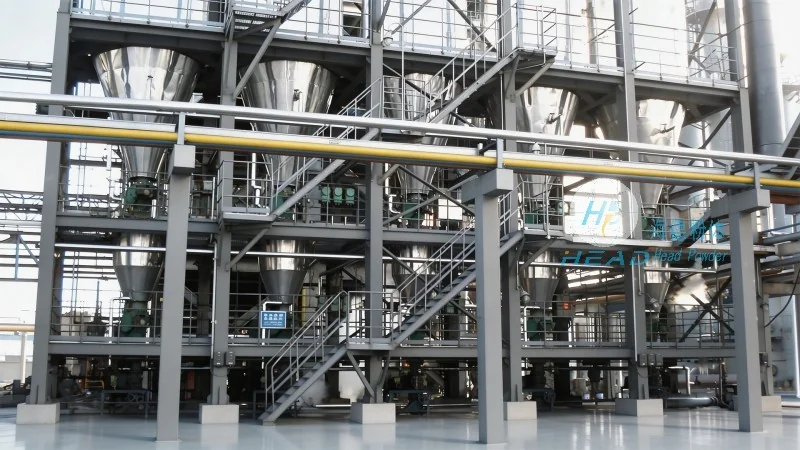
Company Profile: Shandong HeadPowder Engineering Co., Ltd.
HeadPowder, a leading manufacturer in the field of pneumatic conveying systems, specializes in providing customized solutions for the food processing industry. With years of experience and a commitment to quality, HeadPowder has developed advanced technologies tailored to the unique needs of dried chili pepper handling. The company's headquarters is located in Shandong, China, where a team of engineers and technicians work to design, manufacture, and install efficient and reliable conveying systems. HeadPowder's products are designed to meet strict hygiene standards, ensuring that dried chili peppers are handled in a clean and safe environment. The company's focus on innovation and customer service has made it a trusted partner for food processing facilities worldwide.