

Operation Process and Working Principle of Carbon Black and Coal Powder Pneumatic Conveying
Carbon black and coal powder are critical raw materials across industries such as rubber, plastics, and energy production. Efficient transportation of these powders is vital for maintaining production efficiency and product quality. Pneumatic conveying systems provide a reliable solution, especially for fine powders like carbon black and coal powder. This article delves into the operation process and working principle of carbon black and coal powder pneumatic conveying, detailing key components, processes, and benefits.
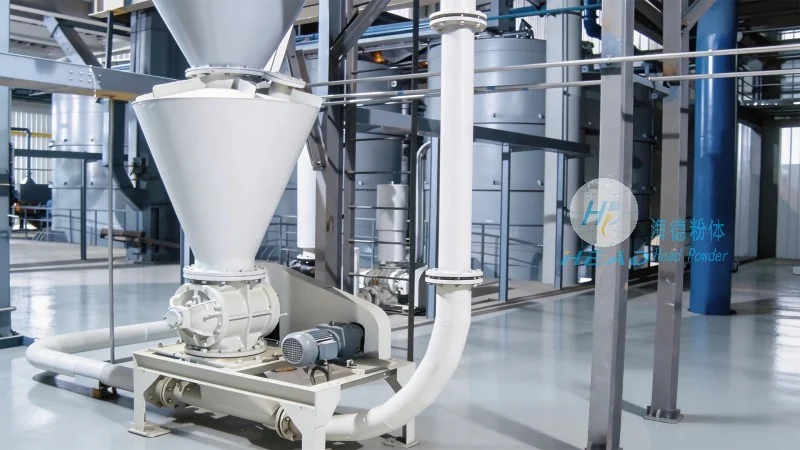
Company Overview: Shandong HeadPowder Engineering Co., Ltd.
Shandong HeadPowder Engineering Co., Ltd., known as HeadPowder, is a leading provider of engineering solutions for powder handling and material transportation. Based in Shandong, China, the company specializes in designing, manufacturing, and implementing advanced pneumatic conveying systems tailored to industries dealing with carbon black and coal powder. HeadPowder’s expertise focuses on optimizing material flow, minimizing product degradation, and enhancing overall operational efficiency.
Understanding Pneumatic Conveying Systems
Pneumatic conveying transports bulk materials through pipelines using a gas stream, typically air. This technology is ideal for fine powders due to its ability to handle materials without direct equipment contact, reducing contamination and degradation risks. The system includes a material feeder, conveying line, gas source (e.g., blower/compressor), and a receiver or discharge device.
The Operation Process of Carbon Black and Coal Powder Pneumatic Conveying
The operation process involves sequential steps to ensure efficient material transport. It starts with material preparation, where carbon black or coal powder is fed into the system via a feeder like a rotary valve or screw feeder. Simultaneously, a gas source (often a positive displacement blower) generates air pressure to move the material through the pipeline. As the material enters the conveying line, it is suspended in the air stream and transported to the destination. The air velocity must be sufficient to keep particles airborne but not excessively high to cause component wear. The conveying line, typically stainless steel or plastic, resists corrosion and abrasion from fine powders. The material is then discharged into a receiver or storage tank at the end of the line, with a dust collection system to capture escaped particles for environmental compliance and product purity. The process is automated, with sensors and controls monitoring pressure, flow rate, and material levels to maintain optimal operation.
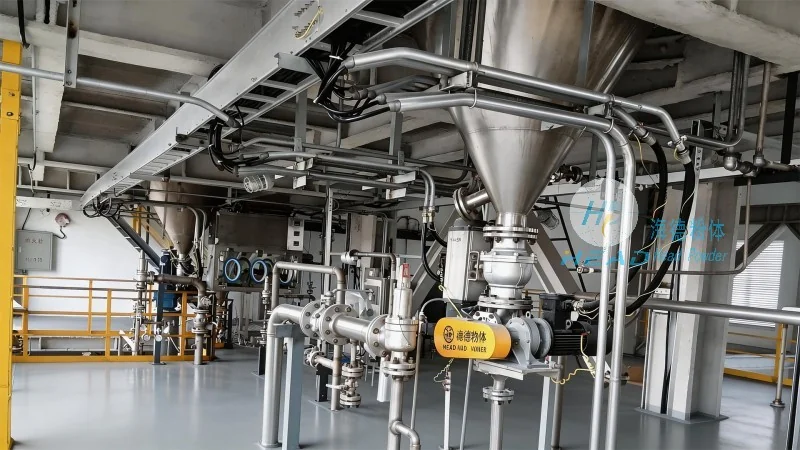
Working Principle of the System
The working principle relies on the interaction between the gas stream and powder particles. High-velocity air creates a low-pressure zone that draws particles into the air stream, suspending them as they travel. The key is balancing air velocity with particle size, material density, and flow properties. Positive displacement blowers are common because they provide consistent, controllable air flow—critical for maintaining stable powder suspension. The blower’s pressure and flow rate adjust to accommodate different materials and conveying distances. Features like pulse-jet cleaning prevent clogging and ensure consistent performance.
Key Components and Their Functions
Several critical components enable smooth operation. The material feeder controls feed rate to avoid overloading or underloading. The conveying line is designed for the material’s particle size, density, and abrasiveness. The gas source supplies necessary pressure/flow, while the receiver collects and stores material. Additional components include air filters/dryers to ensure clean, dry air (preventing moisture-related issues), pressure regulators for consistent pressure, and flow meters to monitor air flow. These components work together to create a reliable system.
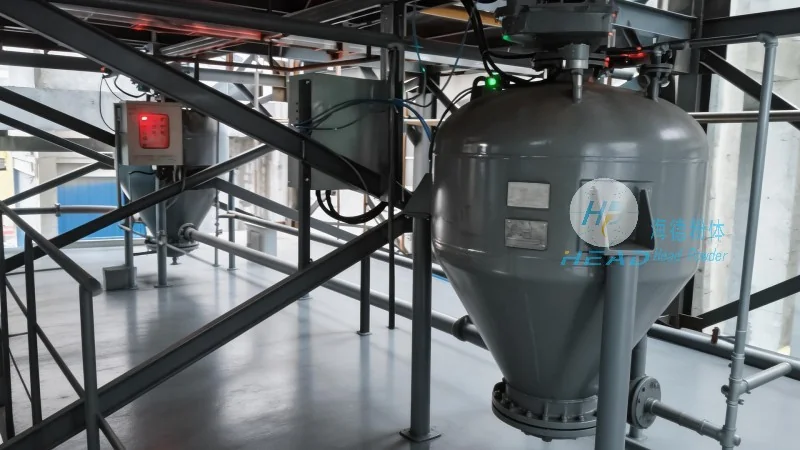
Benefits of Carbon Black and Coal Powder Pneumatic Conveying
Implementing such systems offers multiple advantages. Primary benefits include reduced material degradation (critical for sensitive carbon black, as it minimizes temperature/moisture impacts) and improved operational efficiency. Automated controls allow precise feed rate and pressure management, ensuring consistent product quality and lower labor costs. Compared to traditional methods (e.g., bucket elevators, belt conveyors), the system is more hygienic and safer, eliminating manual powder handling. Environmental benefits include reduced dust emissions, aiding in cleaner work environments and compliance with regulations. Energy efficiency is also a plus, with adjustable air flow/pressure minimizing consumption.
Applications in Industry
Pneumatic conveying systems are widely used in industries like rubber/tire manufacturing (carbon black as a rubber additive), where they efficiently transport carbon black from storage to mixing equipment while preserving quality. In the coal industry, they move coal from mines to power plants or processing facilities, enhancing safety and efficiency. Other applications include pharmaceutical and food industries (maintaining strict hygiene for fine powders) and chemical processing plants (transporting coal and carbon black with consistent quality and reliability).
Conclusion
Carbon black and coal powder pneumatic conveying is a sophisticated method for transporting fine powders in industrial settings. The operation process involves precise control of material feed, air flow, and system pressure to ensure reliable, consistent transport. The working principle centers on suspending powder particles in a high-velocity air stream, facilitated by positive displacement blowers and specialized components. Shandong HeadPowder Engineering Co., Ltd. specializes in designing and implementing such systems, providing tailored solutions that enhance operational efficiency, product quality, and environmental compliance. Understanding this process and principle helps industries improve material handling and achieve better overall performance.