

Operation Process and Working Principle of Graphite Lumps Pneumatic Conveying
Graphite lumps pneumatic conveying is a critical industrial process used for the efficient transportation of graphite particles from one location to another. This method is particularly valuable in industries such as metallurgy, chemical processing, and manufacturing, where the handling of bulk materials like graphite requires precision and reliability. The following sections will delve into the operation process and working principle of this system, highlighting the key components and the step-by-step procedures involved.
Company Overview
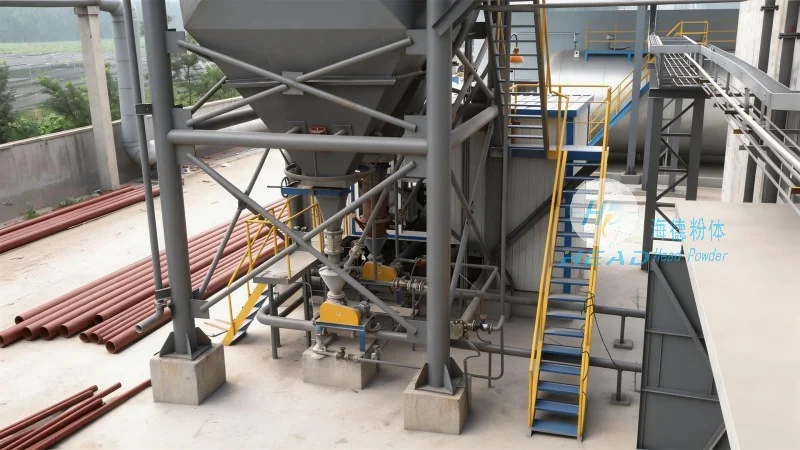
HeadPowder, a leading provider in the field, specializes in advanced material handling solutions. As Shandong HeadPowder Engineering Co., Ltd., based in Shandong, China, the company has established itself as a trusted partner for businesses seeking efficient and effective pneumatic conveying systems. With a focus on innovation and quality, HeadPowder delivers tailored solutions that meet the specific needs of clients in various industrial sectors.
Introduction to Pneumatic Conveying
Pneumatic conveying, also known as air conveying, is a technology that utilizes pressurized or suction air to transport bulk materials through a pipeline. This method is widely adopted for its ability to handle a variety of materials, including powders, granules, and lumps, with minimal product degradation. The process is particularly advantageous for materials like graphite, which are sensitive to mechanical stress and require gentle handling to maintain their quality and properties.
Key Components of the Graphite Lumps Pneumatic Conveying System
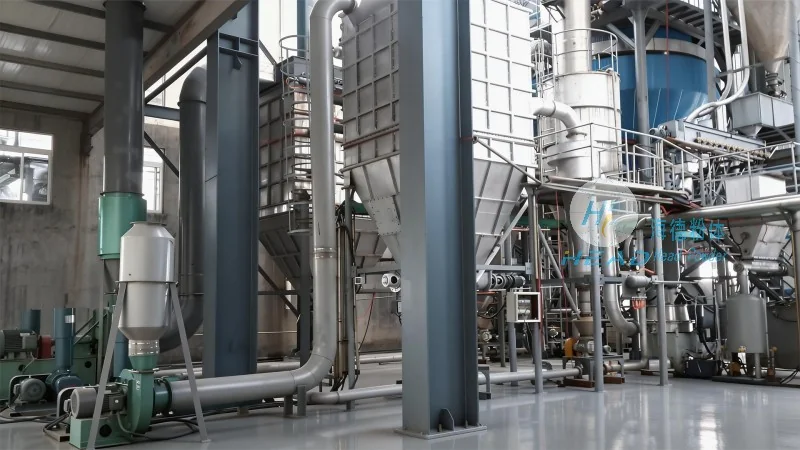
The effective operation of a graphite lumps pneumatic conveying system relies on several essential components. These include the material feed hopper, which holds the graphite lumps and controls the flow rate; the air compressor or vacuum pump, which generates the necessary pressure or suction to move the material; the conveying pipeline, which transports the material from the source to the destination; the separation and collection equipment, such as cyclones or filters, which separate the material from the air; and the control system, which monitors and regulates the entire process to ensure optimal performance.
Operation Process of Graphite Lumps Pneumatic Conveying
The operation process of a graphite lumps pneumatic conveying system involves several sequential steps. Initially, the graphite lumps are fed into the material hopper from a storage silo or container. The hopper is equipped with a feeder, such as a rotary valve or a screw feeder, which regulates the flow of material into the conveying pipeline. Simultaneously, the air compressor starts and generates a high-pressure air stream. This air stream is then introduced into the pipeline, creating a flow that pulls the graphite lumps along with it. The material and air mixture travels through the pipeline to the destination point, which could be a processing unit, a storage tank, or a packaging area. At the destination, the separation equipment, typically a cyclone separator, uses centrifugal force to separate the material from the air. The separated material is collected in a container, while the air is either filtered and recirculated or released to the atmosphere, depending on the system design.
Working Principle of the Pneumatic Conveying System
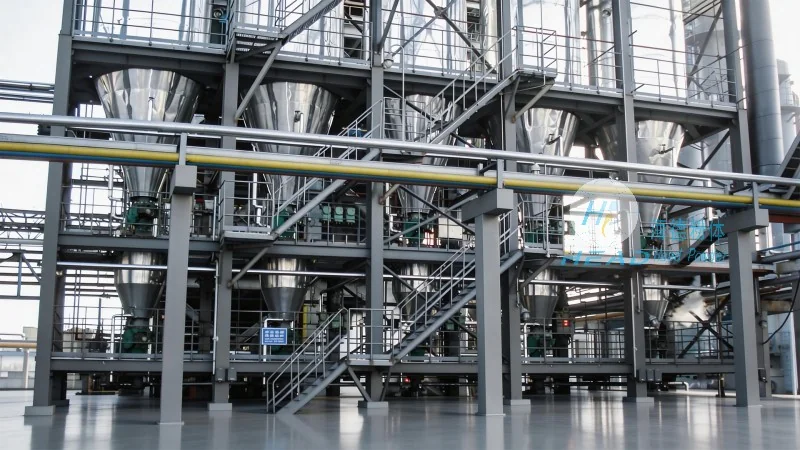
The working principle of the graphite lumps pneumatic conveying system is based on the principles of fluid dynamics and particle transport. The system operates by creating a pressure differential between the inlet and outlet of the pipeline. When the air compressor provides a high-pressure air stream, it creates a region of low pressure at the material feed point, which draws the graphite lumps into the pipeline. The air flow carries the material particles along, maintaining a stable and continuous flow. The velocity of the air is critical; it must be sufficient to overcome the gravitational force acting on the material and to prevent particle settling or blockage in the pipeline. The design of the pipeline, including its diameter, length, and bends, is optimized to minimize pressure drop and ensure smooth material transport. The separation equipment at the end of the pipeline utilizes centrifugal force to separate the material from the air, as the air moves at a higher velocity and is directed outward, while the heavier graphite lumps are forced inward and collected.
Advantages of Graphite Lumps Pneumatic Conveying
Graphite lumps pneumatic conveying offers several advantages over traditional mechanical conveying methods. One of the primary benefits is the ability to handle materials that are difficult to transport by other means, such as graphite lumps, which may be abrasive or have irregular shapes. The system provides a clean and dust-free environment, reducing the risk of contamination and improving product quality. Additionally, pneumatic conveying allows for the integration of multiple processing steps, as the material can be transported directly from one unit operation to another without the need for intermediate storage or handling. The system also offers flexibility in terms of layout, as the pipeline can be installed in various configurations to suit the plant layout. Furthermore, the process is relatively low-maintenance compared to mechanical systems, as there are fewer moving parts that require regular servicing.
Applications in Industrial Settings
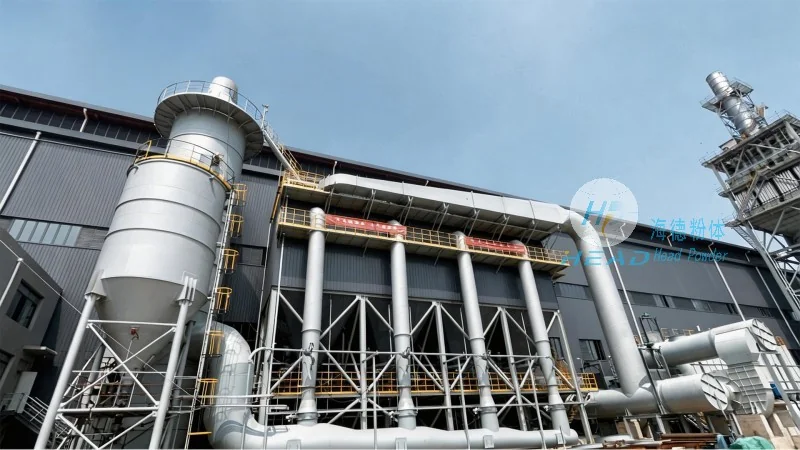
The applications of graphite lumps pneumatic conveying are diverse and widespread across various industries. In the metallurgical industry, the system is used to transport graphite lumps to furnaces for the production of graphite electrodes or other metal products. In chemical processing, it is employed to move graphite into reactors or storage tanks for further processing. The manufacturing sector also utilizes this technology for the handling of graphite in the production of carbon brushes, lubricants, and other graphite-based products. The versatility of the system makes it suitable for a wide range of applications, from small-scale operations to large industrial plants.
Conclusion
Graphite lumps pneumatic conveying is a sophisticated and efficient method for transporting bulk materials. The operation process involves a series of coordinated steps, from material feeding to separation and collection, while the working principle relies on the principles of fluid dynamics and pressure differentials. With its advantages in handling difficult materials, maintaining product quality, and providing flexibility, this technology has become an essential component in many industrial processes. HeadPowder, as a leading provider, continues to innovate and improve these systems to meet the evolving needs of the industry, ensuring reliable and efficient material handling solutions for its clients.