

The Operation Process and Working Principle of Glass Powder Pneumatic Conveying
Glass powder pneumatic conveying is a critical technology in material handling, particularly for transporting fine and dusty materials like glass powder. This method utilizes air as the conveying medium to move the material through a closed pipeline system, offering advantages such as low energy consumption, minimal material degradation, and reduced contamination risks compared to traditional methods like belt conveyors or bucket elevators.
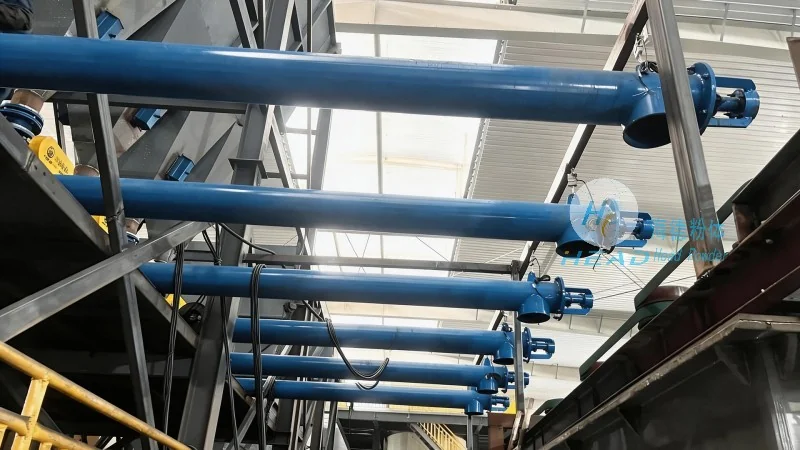
Working Principle of Glass Powder Pneumatic Conveying
The fundamental principle of glass powder pneumatic conveying involves generating a flow of air within a closed pipeline. The system relies on a blower or compressor to create the necessary air pressure and velocity to entrain the glass powder particles. As the air moves through the pipeline, it suspends the glass powder, forming a mixture that travels to the destination. The air velocity is carefully controlled to ensure the particles remain suspended without settling or causing clogs. The process hinges on balancing air pressure, particle size, and flow rate to achieve efficient and reliable transport.
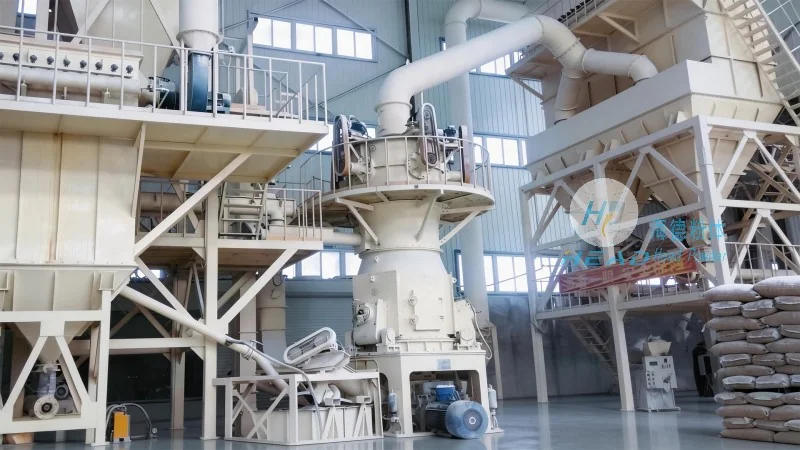
The Operation Process of Glass Powder Pneumatic Conveying
The operation of a glass powder pneumatic conveying system follows a systematic sequence. Initially, the glass powder is fed from a storage hopper or silo into the system via a feeder, typically a rotary valve or screw feeder, which regulates the input rate. The blower then activates, producing the air pressure and flow required for conveying. The air-glass powder mixture travels through the pipeline, passing components like bends, filters, and silencers. Bends are designed with smooth curves to minimize pressure loss and prevent particle accumulation. Filters remove fine particles or dust from the air stream, maintaining system cleanliness. Silencers reduce noise generated by the blower, enhancing workplace comfort. The conveying stream reaches the discharge point, where a cyclone separator or venturi scrubber separates the glass powder from the air. The glass powder is collected in a receiving hopper, and the air is either recycled or vented, depending on system design and environmental regulations.
Key Components and Their Functions
Several essential components are integral to the efficient operation of a glass powder pneumatic conveying system. The blower or compressor serves as the primary power source, providing the air pressure and flow. The feeder controls the glass powder input rate, ensuring consistent flow. The pipeline, often made of stainless steel or plastic, resists corrosion and abrasion from the glass powder. Bends and elbows are engineered with appropriate radii to maintain air velocity and prevent particle deposition. Filters protect downstream equipment from dust accumulation, while silencers reduce noise levels. The discharge unit, such as a cyclone separator, efficiently separates the glass powder from the air stream, ensuring material collection and air purification.
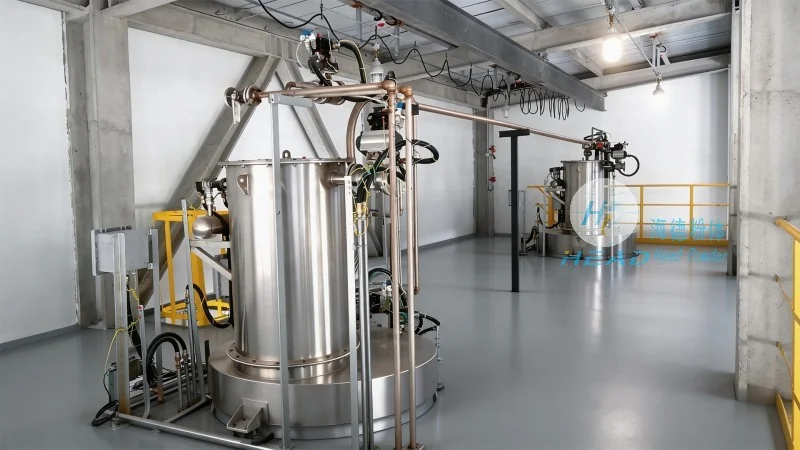
Advantages of Glass Powder Pneumatic Conveying
Compared to traditional material handling methods, glass powder pneumatic conveying offers significant benefits. One key advantage is reduced material degradation. The enclosed pipeline minimizes exposure to air and moisture, preventing clumping or contamination of the glass powder. This is vital for maintaining the quality and usability of glass powder. Another advantage is low energy consumption, as the system requires less power than mechanical conveyors, making it cost-effective and environmentally friendly. Automation of the material transport process reduces labor costs and eliminates manual handling risks. The enclosed design also minimizes dust emissions, enhancing workplace safety and compliance with environmental regulations. Overall, glass powder pneumatic conveying provides a reliable, efficient, and cost-effective solution for handling glass powder in various industrial applications.