

Operation Process and Working Principle of Puffed Rice Flour Pneumatic Conveying
For industries dealing with puffed rice flour, efficient material handling is crucial. Pneumatic conveying systems offer a reliable solution for transporting this fine powder, ensuring minimal product degradation and operational efficiency. This article explores the operation process and working principle of such systems, highlighting the key components and the role of Shandong HeadPowder Engineering Co., Ltd. in providing advanced solutions.
Key Components of Pneumatic Conveying Systems
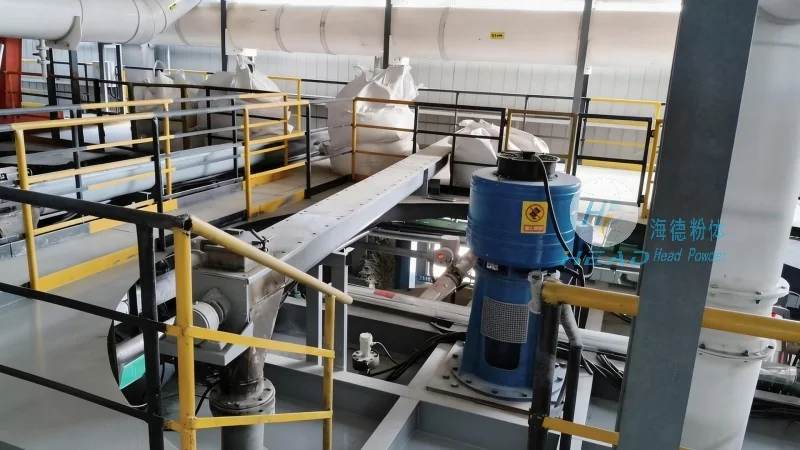
A pneumatic conveying system for puffed rice flour typically consists of several essential components. The primary elements include a hopper for material storage, a feeder to control the flow rate, a conveying line (usually made of metal or flexible tubing), a blower or compressor to generate the air flow, and a receiver or collection tank. Each component plays a vital role in the smooth operation of the system. The hopper ensures a consistent supply of puffed rice flour, while the feeder regulates the amount of material entering the conveying line. The blower provides the necessary air pressure to move the powder through the system, and the receiver collects the conveyed material at the destination.
Operation Process of Puffed Rice Flour Pneumatic Conveying
The operation process of a puffed rice flour pneumatic conveying system involves several sequential steps. First, the puffed rice flour is loaded into the hopper from a storage silo or bulk container. The feeder then starts, gradually releasing the powder into the conveying line. Simultaneously, the blower activates, creating a low-pressure zone in the line. As the air flows through the line, it entrains the puffed rice flour particles, forming a dense mixture known as a "slurry" or "pneumatic stream." This mixture travels through the conveying line to the receiver, where the air and powder are separated. The air is typically filtered and recycled back to the blower, while the puffed rice flour is collected in the receiver for further processing or packaging. The entire process is automated, allowing for continuous operation with minimal human intervention.
Working Principle of Pneumatic Conveying for Puffed Rice Flour
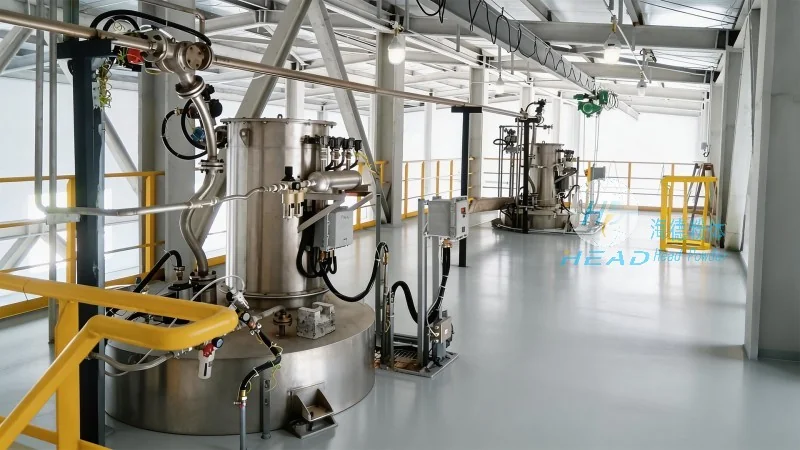
The working principle of pneumatic conveying relies on the fundamental concept of air movement to transport solid materials. In the case of puffed rice flour, the system uses positive pressure or negative pressure (or a combination of both) to move the powder. Positive pressure systems generate air pressure at the inlet, pushing the material through the line, while negative pressure systems create a vacuum at the outlet, pulling the material. For puffed rice flour, a positive pressure system is often preferred due to its ability to handle fine powders without causing excessive particle breakage. The blower supplies compressed air, which is introduced into the conveying line at a controlled pressure. The air velocity is maintained above the "critical velocity" of the puffed rice flour, ensuring that the powder particles remain suspended and do not settle out of the air stream. This suspension allows the material to be transported efficiently over long distances and at varying heights. The separation process at the receiver involves using a cyclone or filter to separate the air from the powder, with the air being recycled to maintain energy efficiency.
Role of Shandong HeadPowder Engineering Co., Ltd. in Pneumatic Conveying Solutions
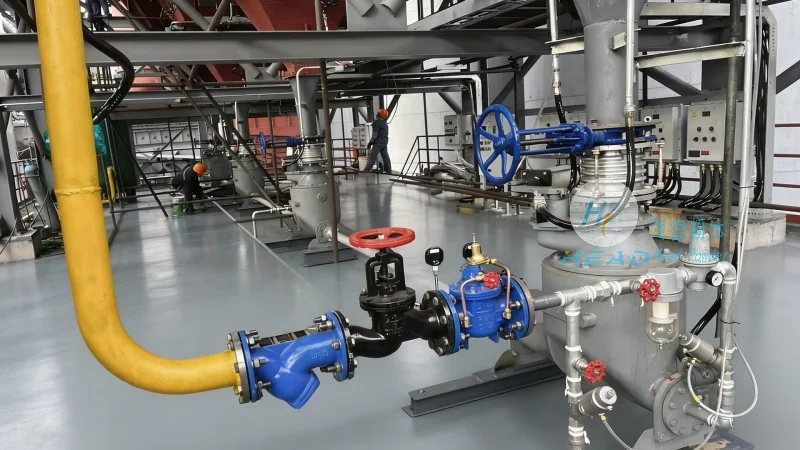
Shandong HeadPowder Engineering Co., Ltd., operating under the brand name headpowder, specializes in designing and manufacturing customized pneumatic conveying systems for various industrial applications, including the handling of puffed rice flour. With years of experience in the field, the company provides comprehensive solutions that meet the specific needs of clients. The company's engineers work closely with clients to understand their material characteristics, processing requirements, and operational constraints, ensuring that the designed system is efficient, reliable, and cost-effective. HeadPowder's systems are built with high-quality materials and advanced technology, ensuring durability and minimal maintenance. The company also offers after-sales support, including installation, commissioning, and maintenance services, to ensure the long-term performance of the conveying systems. By leveraging their expertise and commitment to quality, Shandong HeadPowder Engineering Co., Ltd. helps industries optimize their material handling processes and improve overall productivity.
Benefits of Using Pneumatic Conveying for Puffed Rice Flour
Implementing a pneumatic conveying system for puffed rice flour offers numerous benefits. First, it eliminates the need for manual handling, reducing the risk of product contamination and improving workplace safety. The system also minimizes product degradation, as the fine powder is transported without direct contact with other materials or equipment. This is particularly important for puffed rice flour, which is sensitive to moisture and temperature changes. Additionally, pneumatic conveying systems are flexible and can be easily integrated into existing production lines, allowing for expansion or modification as needed. The automated operation of the system reduces labor costs and increases production efficiency, as the material is transported continuously without interruptions. Finally, the energy efficiency of the system, particularly with air recycling, helps reduce operational costs and environmental impact. Overall, pneumatic conveying provides a reliable and efficient solution for handling puffed rice flour, enhancing the performance of industrial processes.