

Operation Process and Working Principle of Denitrization Fly Ash Pneumatic Conveying
Denitrization fly ash, a byproduct from flue gas desulfurization processes in power plants, requires efficient handling and transportation. Pneumatic conveying systems offer a reliable solution for transporting this material, ensuring safe and effective operation. This article explores the operation process and working principle of such systems, highlighting key components and operational dynamics.
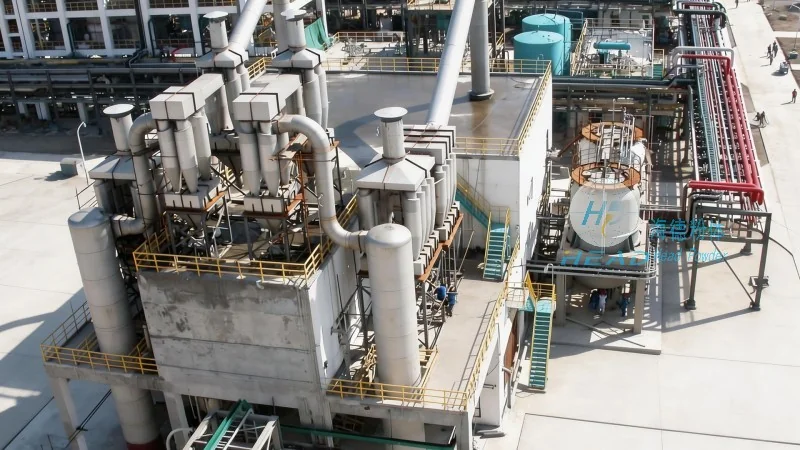
Key Components of Pneumatic Conveying Systems
The pneumatic conveying system for denitrization fly ash typically consists of several critical components. These include the ash storage hopper, a rotary valve for material feeding, a conveying pipeline, a pressure vessel or receiver, and a dust collection system. Each component plays a vital role in the overall system performance. The storage hopper stores the fly ash, while the rotary valve controls the flow rate and prevents backflow. The conveying pipeline transports the material under pressure, and the pressure vessel collects and conditions the ash before discharge. The dust collection system ensures environmental compliance by capturing any airborne particles.
Working Principle of the Pneumatic Conveying Process
The operation of the pneumatic conveying system begins with the material being discharged from the storage hopper into the rotary valve. The rotary valve then regulates the ash flow into the conveying pipeline. Compressed air, generated by a blower or fan, is introduced into the pipeline, creating a flow that propels the fly ash particles. The air and ash mixture travels through the pipeline to the pressure vessel, where the air is separated from the ash. The ash is then discharged from the vessel, while the air is either recirculated or vented through a dust filter. This process ensures that the fly ash is transported efficiently and safely, minimizing material loss and environmental impact.
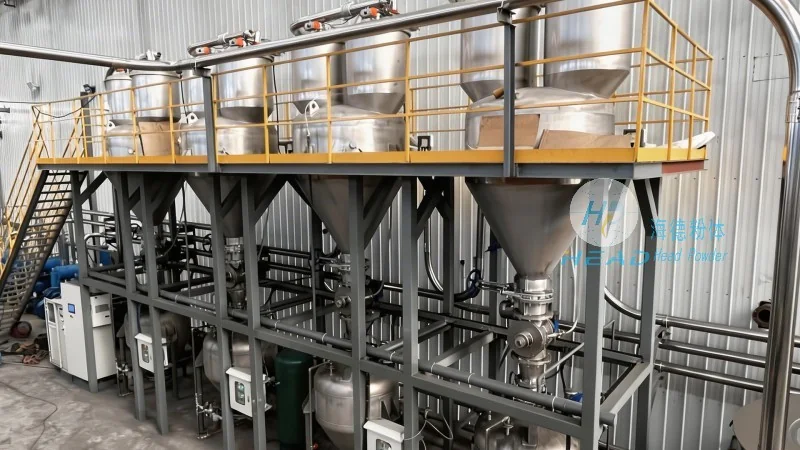
Operational Process Flow
The operational process of the denitrization fly ash pneumatic conveying system follows a systematic sequence. First, the fly ash is stored in the hopper. The rotary valve then feeds the ash into the conveying pipeline at a controlled rate. Compressed air is supplied to the pipeline, creating a positive pressure that moves the ash forward. The mixture reaches the pressure vessel, where the air is separated and the ash is collected. The ash is then transferred to the next processing stage, such as storage or disposal. This flow ensures continuous and reliable operation, with each step designed to optimize performance and maintain system efficiency.
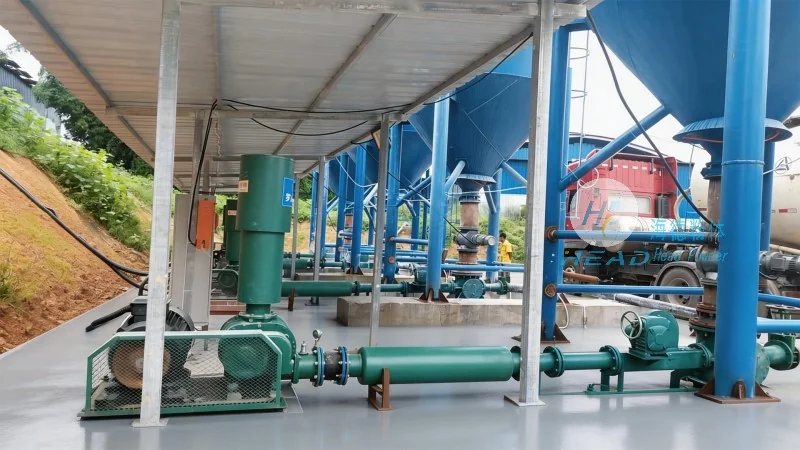
Advantages of Pneumatic Conveying for Denitrization Fly Ash
Pneumatic conveying systems offer several advantages for handling denitrization fly ash. These include the ability to transport material over long distances without the need for mechanical components like conveyor belts or buckets. The system is also relatively simple to install and maintain, with fewer moving parts compared to other conveying methods. Additionally, pneumatic conveying can handle a wide range of ash particle sizes and moisture content, making it versatile for different power plant applications. The enclosed pipeline design also reduces dust emissions, enhancing environmental safety and compliance.
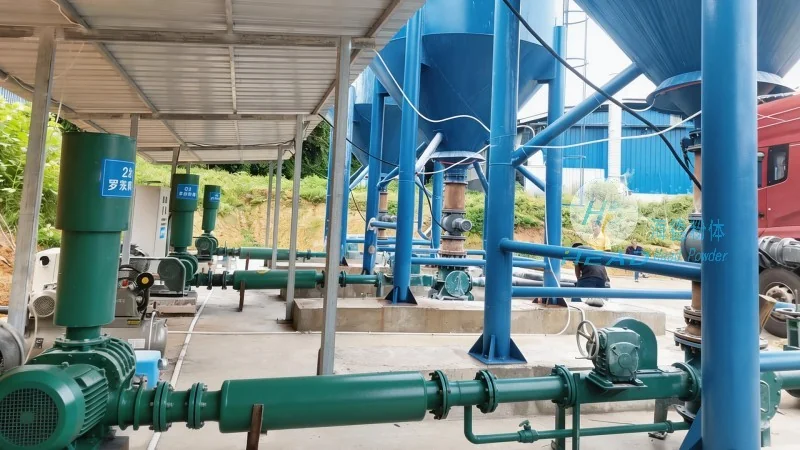
Company Profile: Shandong HeadPowder Engineering Co., Ltd.
HeadPowder, a leading provider of industrial material handling solutions, specializes in designing and manufacturing pneumatic conveying systems for various applications, including denitrization fly ash. With a strong commitment to quality and innovation, the company has established itself as a trusted partner in the power generation industry. HeadPowder's expertise in material handling technology ensures that their systems are reliable, efficient, and tailored to meet the specific needs of their clients. The company is headquartered in Shandong, China, and serves customers globally with customized solutions that enhance operational performance and reduce costs.
Conclusion
In summary, the pneumatic conveying system for denitrization fly ash is a sophisticated and efficient method for transporting this critical byproduct. By understanding the operation process and working principle, operators can optimize system performance and ensure safe, reliable operation. With the support of companies like Shandong HeadPowder Engineering Co., Ltd., power plants can implement effective material handling solutions that meet environmental and operational standards. The continuous advancement of pneumatic conveying technology ensures that such systems remain a preferred choice for handling denitrization fly ash in modern power generation facilities.