

The Operation Process and Working Principle of Air-Driven Transport for Fermented Grain Curd
Understanding the air-driven transport system for fermented grain curd is crucial for optimizing production efficiency in the brewing industry. This technology facilitates the movement of curd, a key ingredient in the fermentation process, from storage or processing areas to the next stage of production. The system operates by using compressed air to create a flow that carries the curd particles through a pipeline network. This method offers several advantages over traditional methods, such as reduced labor costs and improved hygiene by minimizing direct human contact with the product.
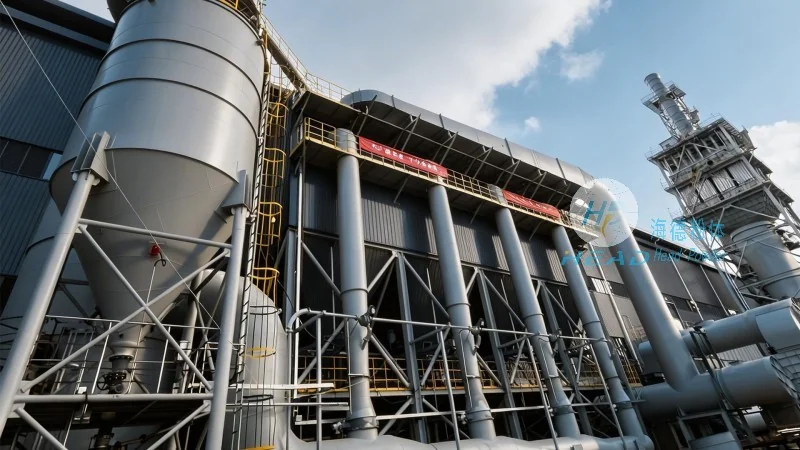
Working Principle of the Air-Driven Transport System
The core principle of the air-driven transport system involves the generation of a low-pressure or high-pressure air stream that propels the curd particles. The system typically consists of a blower or compressor that supplies the necessary air pressure, a hopper or feeder that holds the curd, and a pipeline with appropriate valves and controls. As air is introduced into the pipeline, it creates a vacuum or pressure differential that moves the curd along the path. The design of the pipeline, including the diameter and material, is critical to ensure efficient transport without causing damage to the curd's structure or quality. The system may also incorporate features like air filters and moisture control to maintain the curd's integrity during transport.
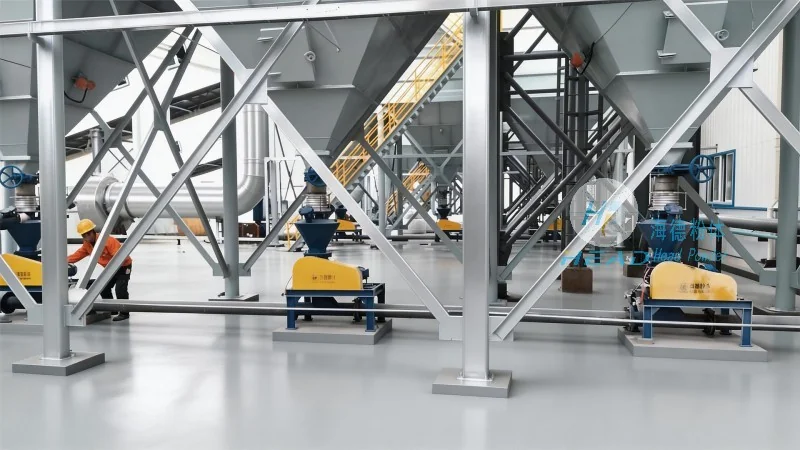
Key Components and Their Functions
Several key components work together to ensure the smooth operation of the air-driven transport system. The blower or compressor is responsible for generating the air pressure needed to move the curd. It must be capable of maintaining a consistent pressure level to avoid fluctuations that could disrupt the transport process. The feeder or hopper is designed to feed the curd into the pipeline at a controlled rate, preventing overloading and ensuring a steady flow. The pipeline itself is made from materials that are resistant to the curd's acidity and moisture, such as stainless steel or specialized plastics. Valves and control devices are used to regulate the flow of air and curd, allowing for adjustments based on production needs. Additionally, sensors and monitoring systems may be integrated to track the transport process and detect any issues, such as blockages or pressure drops.
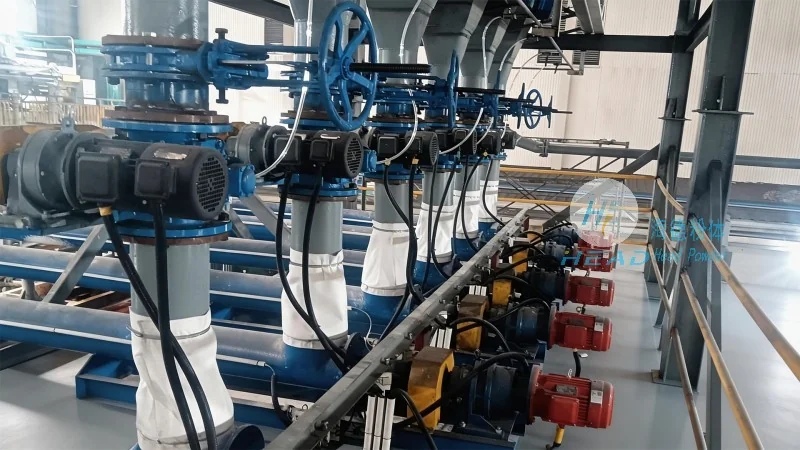
Operation Process Step-by-Step
The operation process of the air-driven transport system for fermented grain curd involves several sequential steps. First, the curd is loaded into the hopper or feeder. The system then starts the blower, which generates the required air pressure. As air is introduced, the curd is drawn into the pipeline and begins to move along the designated path. The flow rate is controlled by adjusting the air pressure or the feed rate from the hopper. The curd travels through the pipeline to the receiving point, where it is discharged into the next processing stage. Throughout the process, the system monitors parameters such as pressure, flow rate, and temperature to ensure optimal performance. Any adjustments are made in real-time to maintain the desired conditions and prevent issues like clogging or uneven distribution.
Benefits and Advantages of Air-Driven Transport
Implementing an air-driven transport system for fermented grain curd offers numerous benefits that enhance operational efficiency and product quality. One of the primary advantages is the reduction in labor costs, as the system automates the transport process, eliminating the need for manual handling. This also improves workplace safety by reducing the risk of injuries associated with manual lifting and moving of heavy curd batches. The system enhances hygiene by minimizing direct contact between the product and human hands, which is particularly important in food processing environments where sanitation is critical. Additionally, the air-driven transport system allows for precise control over the flow rate and direction of the curd, ensuring consistent quality and preventing contamination. The system's flexibility also enables easy integration with existing production lines, making it a suitable upgrade for breweries looking to modernize their operations.

Company Profile: Shandong HeadPowder Engineering Co., Ltd.
Shandong HeadPowder Engineering Co., Ltd., commonly known as headpowder, is a leading manufacturer and supplier of specialized equipment for the brewing and food processing industries. With a focus on innovation and quality, the company has established itself as a trusted partner for businesses seeking reliable and efficient solutions for their production needs. HeadPowder specializes in the design, manufacturing, and installation of air-driven transport systems, as well as other processing equipment tailored to the specific requirements of fermented grain curd and similar products. The company's headquarters is located in Shandong, China, where it operates a state-of-the-art manufacturing facility equipped with advanced technology and skilled personnel. HeadPowder's commitment to customer satisfaction and product excellence has earned it a reputation for delivering high-quality equipment that meets the stringent standards of the industry.