

Principle and Application Characteristics of Pneumatic Conveying Equipment for Glass Powder Material
For industrial applications involving glass powder, efficient material handling is crucial. Pneumatic conveying equipment offers a reliable solution to transport glass powder from one location to another. This article explores the working principles and typical application scenarios of such equipment, highlighting how it addresses the unique challenges associated with glass powder handling. HeadPowder Engineering Co., Ltd., a leading manufacturer of material handling equipment, specializes in providing customized pneumatic conveying solutions for glass powder applications.
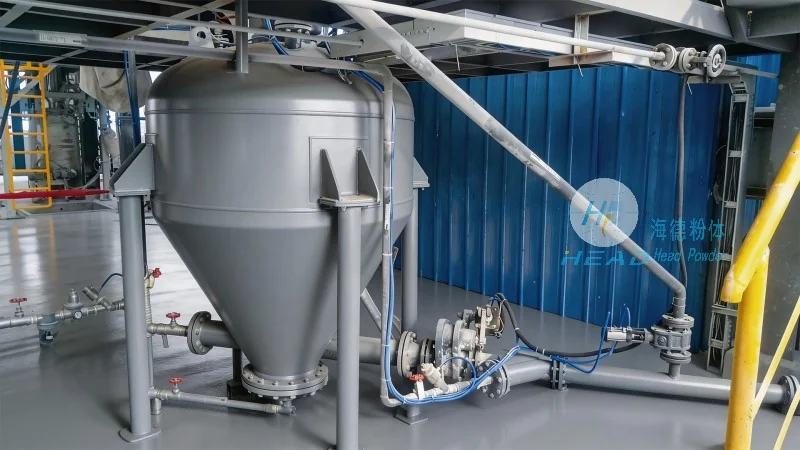
Introduction to Pneumatic Conveying for Glass Powder
Glass powder, due to its fine particle size and abrasive nature, requires specialized handling methods to prevent clogging, degradation, and equipment wear. Traditional methods like belt conveyors or screw conveyors may not be suitable for glass powder as they can cause particle attrition and blockages. Pneumatic conveying systems, which use air or gas to transport materials, provide a non-contact method that minimizes these issues. The equipment typically consists of a hopper, a blower or compressor, a pipeline system, and a discharge unit. The glass powder is fed into the hopper, and the air is introduced to create a flow that carries the powder through the pipeline to the destination point.
Working Principle of Pneumatic Conveying Equipment
The core principle of pneumatic conveying for glass powder is the creation of a fluidized or suspended state of the powder particles within the air stream. This is achieved by generating sufficient air velocity in the pipeline to overcome the gravitational and frictional forces acting on the particles. The equipment operates by drawing air from the environment or using a compressor to supply pressurized air. The glass powder is then introduced into the air stream at the inlet of the pipeline. The air velocity is carefully controlled to ensure that the powder particles remain suspended without settling or clogging the system. The system can be either pressure or vacuum-based. In pressure systems, the air is compressed and forced through the pipeline, while in vacuum systems, a vacuum is created at the discharge end to draw the powder and air mixture into the pipeline.
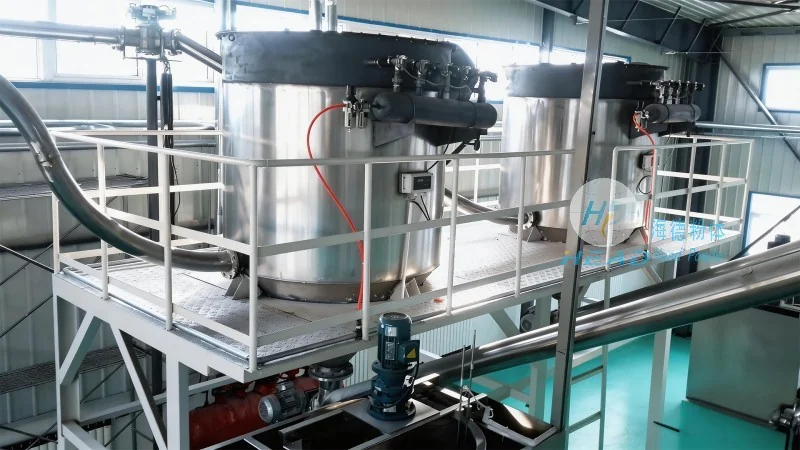
Key Components of Pneumatic Conveying Systems for Glass Powder
Several key components are essential for the effective operation of pneumatic conveying equipment for glass powder. These include:
- Hopper and Feeder: The hopper is designed to store the glass powder and provide a consistent feed rate. The feeder, often a rotary valve or a screw feeder, controls the flow of powder into the pipeline, ensuring a steady supply without overloading the system.
- Blower or Compressor: This component generates the necessary air pressure or vacuum to move the glass powder. For glass powder, which is relatively light and fine, a high-efficiency blower or a low-pressure compressor is typically used to avoid excessive energy consumption and to prevent particle degradation.
- Pipeline System: The pipeline is made of materials that are resistant to the abrasive nature of glass powder, such as stainless steel or special plastic liners. The pipeline diameter and length are optimized to maintain the required air velocity and to minimize pressure drop, ensuring efficient transport.
- Discharge Unit: At the receiving end, the discharge unit separates the glass powder from the air stream. This can be a cyclone separator, a filter, or a rotary valve, depending on the system design. The separated powder is collected in a container, while the air is either recirculated or vented to the atmosphere.
Application Characteristics and Advantages
Pneumatic conveying equipment for glass powder offers several advantages that make it suitable for various industrial applications. These include:
- Non-Contact Handling: Since the powder is transported without physical contact with the equipment, there is minimal risk of particle attrition, contamination, or equipment wear. This is particularly important for glass powder, which can be sensitive to mechanical stress.
- Flexibility in Layout: The pipeline system can be configured in various shapes and directions, allowing for flexible layout designs in industrial facilities. This enables the equipment to be installed in areas with limited space or complex layouts.
- Reduced Downtime: Pneumatic conveying systems can be designed with multiple inlets and outlets, allowing for continuous operation and minimizing downtime for material transfer.
- Energy Efficiency: Modern pneumatic conveying systems are designed to be energy-efficient, with optimized air velocity and pressure control, reducing operational costs.
Typical Work Scenarios and Use Cases
The application of pneumatic conveying equipment for glass powder is widespread across various industries. Some typical work scenarios include:
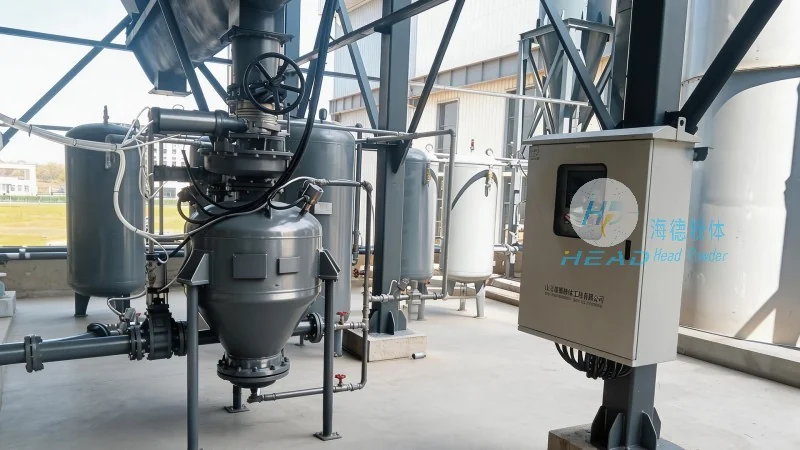
- Manufacturing of Glass Products: In glass manufacturing plants, glass powder is used as a raw material for producing glass bottles, containers, and other products. Pneumatic conveying systems are used to transport the powder from storage silos to the production lines, ensuring a consistent supply of material.
- Recycling Facilities: Glass recycling plants use pneumatic conveying to transport crushed glass from sorting and washing processes to the grinding and reprocessing stages. The equipment helps in handling the fine glass particles efficiently without causing blockages.
- Chemical and Pharmaceutical Industries: In these industries, glass powder may be used as a filler or an abrasive material. Pneumatic conveying systems are used to transport the powder to mixing and processing equipment, ensuring precise dosing and preventing contamination.
- Research and Development Labs: In laboratories, small-scale pneumatic conveying systems are used to handle glass powder for experimental purposes. The equipment allows for precise control over the powder flow, enabling accurate testing and analysis.
Considerations for Selecting Pneumatic Conveying Equipment for Glass Powder
When selecting pneumatic conveying equipment for glass powder applications, several factors should be considered to ensure optimal performance and longevity of the system. These include:
- Particle Size and Density: The size and density of the glass powder particles affect the air velocity required for effective transport. Larger or denser particles may require higher air pressure or velocity.
- System Capacity and Throughput: The required capacity of the system, based on the production rate and material flow rate, should be matched with the equipment specifications to avoid underutilization or overloading.
- Material Compatibility: The materials used for the hopper, pipeline, and discharge unit must be compatible with glass powder to prevent corrosion or wear. Stainless steel is commonly used due to its resistance to abrasion and chemical attack.
- Environmental Regulations: The system should comply with local environmental regulations regarding air emissions and dust control. Proper filtration and ventilation systems are essential to minimize the release of fine glass particles into the environment.
Conclusion
Pneumatic conveying equipment is a highly effective solution for handling glass powder in various industrial applications. By understanding the working principles and application characteristics of such equipment, manufacturers can optimize their material handling processes, improve efficiency, and reduce operational costs. The non-contact handling, flexibility, and energy efficiency of pneumatic conveying systems make them a preferred choice for glass powder transport, especially in industries where material quality and process reliability are critical. HeadPowder Engineering Co., Ltd. continues to innovate in this field, providing advanced pneumatic conveying solutions tailored to the specific needs of glass powder handling in industrial settings.