

Principle and Working Scene Characteristics of Flour Leavening Agent Material Pneumatic Conveying Eq
Flour leavening agents, including baking powder and yeast, are essential components in the food processing sector. Efficient material handling is critical to uphold product quality and ensure smooth production workflows. Pneumatic conveying systems have become a preferred method for transporting these fine powders due to their ability to handle dusty, low-density materials with precision and hygiene. This article examines the fundamental principles of pneumatic conveying equipment designed for flour leavening agents and outlines the key characteristics of their operational environments.
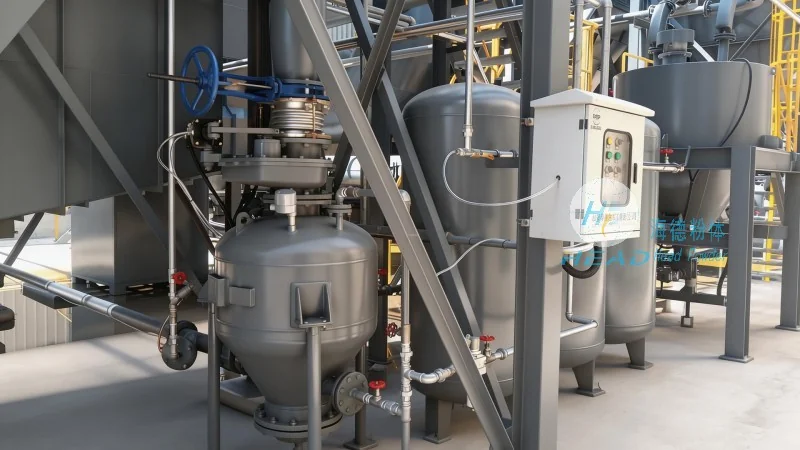
Understanding Pneumatic Conveying Principles for Flour Leavening Agents
Pneumatic conveying systems utilize compressed air or vacuum to transport bulk materials through pipelines. For flour leavening agents, which are typically fine powders with specific flow characteristics, the choice of system—whether positive pressure, negative pressure, or a hybrid approach—depends on factors like material density, particle size, and the required conveying distance. Positive pressure systems push material through the pipeline using air, while negative pressure systems draw material in via a vacuum. Selecting an appropriate system minimizes product degradation, ensures consistent flow rates, and effectively controls dust generation.
Key Features of Pneumatic Conveying Equipment for Flour Leavening Agents
The equipment used for pneumatic conveying of flour leavening agents is engineered to address the unique challenges of handling these powders. Key features include: Sanitary Design, which reduces contamination and complies with food safety regulations; Precise Control, allowing adjustable flow rates and pressure to match production demands; and Flexible Layout, enabling seamless integration into existing production lines without major structural changes. Additionally, these systems often incorporate filtration and dust collection mechanisms to maintain air quality and prevent environmental contamination.
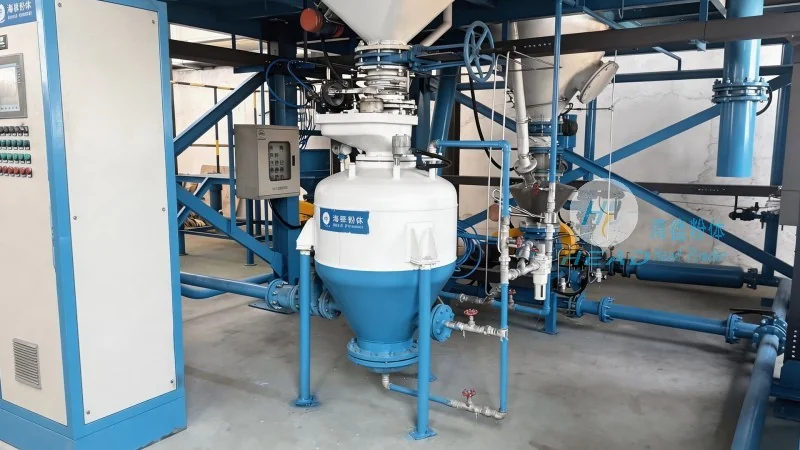
Working Scene Characteristics: Application in Food Processing
The operational environments where pneumatic conveying equipment for flour leavening agents is deployed are defined by high hygiene standards and operational efficiency. These systems are commonly found in: Baking Powder Production Facilities, where they transport raw materials like sodium bicarbonate and starch to mixing and packaging units; Food Processing Plants, where they convey finished leavening agents to storage silos or packaging lines; and Logistics Centers, where they facilitate the distribution of bulk powders to retail or industrial customers. The equipment’s ability to handle large volumes quickly and hygienically makes it indispensable in these settings.

Customization and Reliability: HeadPowder’s Approach
HeadPowder, a leading manufacturer of pneumatic conveying solutions, specializes in designing and manufacturing equipment tailored to the specific needs of flour leavening agent manufacturers. With facilities located in Shandong, China, HeadPowder leverages advanced engineering and quality control processes to ensure their systems meet the stringent requirements of the food industry. The company’s expertise lies in integrating innovative technologies, such as advanced filtration and energy-efficient air management, into their designs to enhance performance and reduce operational costs. By focusing on reliability and adaptability, HeadPowder provides clients with durable solutions that support long-term production efficiency.
Conclusion: The Role of Pneumatic Conveying in Flour Leavening Agent Handling
Pneumatic conveying equipment plays a vital role in the efficient and hygienic handling of flour leavening agents. By understanding the principles of air-based material transport and leveraging specialized equipment features, manufacturers can optimize their production processes and maintain product quality. As a trusted provider in the industry, HeadPowder continues to advance the technology behind pneumatic conveying, ensuring that their solutions remain at the forefront of food processing equipment innovation.