

Principle and Working Scene Characteristics of Lithium Fluoride Material Pneumatic Conveying System
HeadPowder, a leading engineering company based in Shandong, China, specializes in the design and implementation of advanced material handling solutions. This article explores the fundamental principles and operational characteristics of pneumatic conveying systems specifically tailored for lithium fluoride materials, a critical component in various industrial applications.
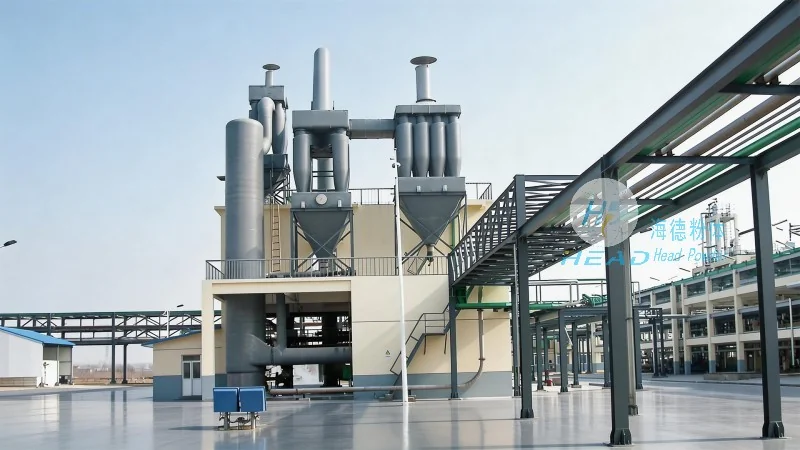
Understanding Pneumatic Conveying Systems for Lithium Fluoride
Pneumatic conveying systems utilize air or gas as the primary medium to transport bulk materials like lithium fluoride from one location to another. The core principle involves creating a pressure differential that propels the material through a pipeline. There are two main types: pressure and vacuum systems. Pressure systems use compressed air to push the material, while vacuum systems employ suction to draw it. For lithium fluoride, which is typically a fine, white powder with specific handling requirements, the choice of system depends on factors such as material flow rate, distance, and the need for dust control.
Key Working Scene Characteristics
The operational characteristics of lithium fluoride pneumatic conveying systems are defined by several critical factors that influence efficiency and safety. First, the material's physical properties, including its particle size, density, and hygroscopic nature, play a significant role. Lithium fluoride is often prone to static electricity, making proper grounding and anti-static measures essential to prevent material buildup and ensure smooth flow. Second, the system's design must consider the need for containment and environmental control, as lithium fluoride can be hazardous if not handled properly. Advanced systems typically incorporate filtration and dust collection mechanisms to maintain air quality and comply with industrial safety standards.
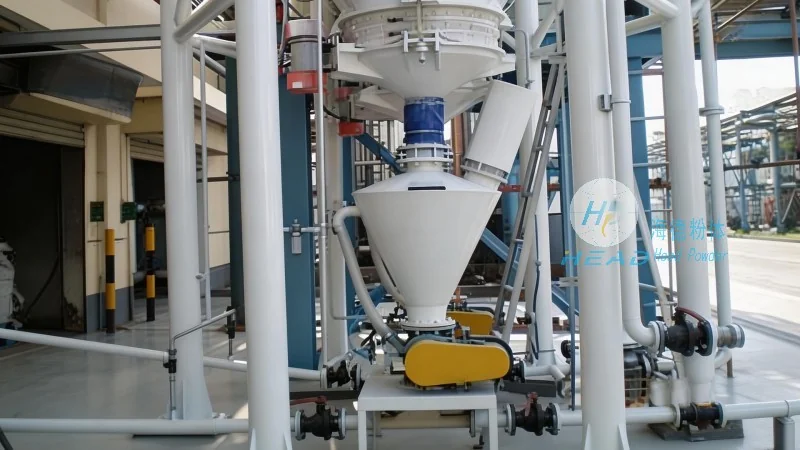
Applications and Industry Relevance
Lithium fluoride is widely used in the production of lithium-based batteries, ceramics, and pharmaceuticals. Consequently, the demand for efficient and reliable material handling solutions has grown significantly. Pneumatic conveying systems offer advantages over traditional methods like bucket elevators or belt conveyors, including reduced labor costs, minimal material degradation, and the ability to handle materials in enclosed environments, minimizing exposure risks. In industrial settings, these systems are often integrated into larger production lines, requiring seamless coordination with other equipment such as storage silos, mixers, and processing units.
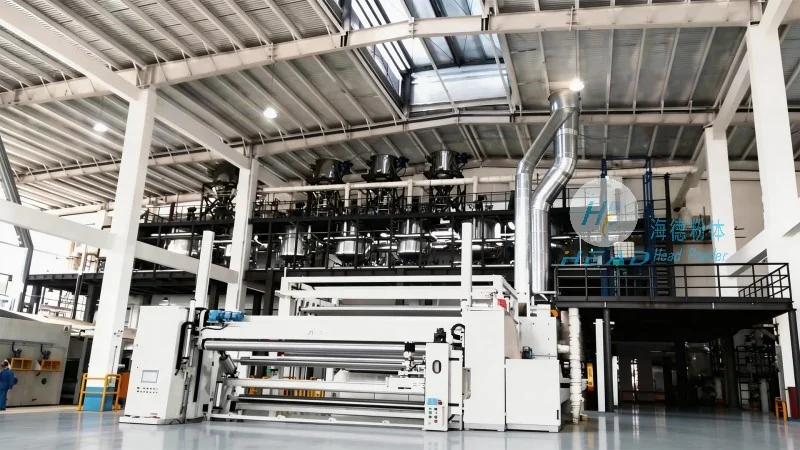
HeadPowder's Expertise in Lithium Fluoride Conveying Solutions
Shandong HeadPowder Engineering Co., Ltd. leverages decades of experience in engineering and material handling to provide customized pneumatic conveying solutions for lithium fluoride applications. The company's team of experts conducts thorough assessments of client needs, including material characteristics, operational requirements, and safety regulations, to design systems that optimize performance and compliance. HeadPowder's solutions are built with high-quality components, ensuring durability and reliability in demanding industrial environments. The company also offers maintenance and support services to ensure long-term system efficiency and minimize downtime.
Conclusion and Future Trends
In conclusion, pneumatic conveying systems for lithium fluoride materials represent a sophisticated approach to material handling, balancing efficiency, safety, and environmental considerations. As the demand for lithium-based products continues to rise, the importance of reliable and effective conveying systems will only increase. Companies like HeadPowder are at the forefront of developing advanced solutions that meet these evolving needs, ensuring that lithium fluoride can be transported safely and efficiently across various industrial applications.