

Principle and Working Scene Characteristics of Alumina Material Pneumatic Conveying Systems
HeadPowder, a professional engineering company based in Shandong, China, specializes in the design, manufacturing, and installation of advanced pneumatic conveying systems for alumina materials. This article explores the fundamental principles behind such systems and highlights the key characteristics of their operational environments.
The Fundamental Principle of Pneumatic Conveying Systems for Alumina
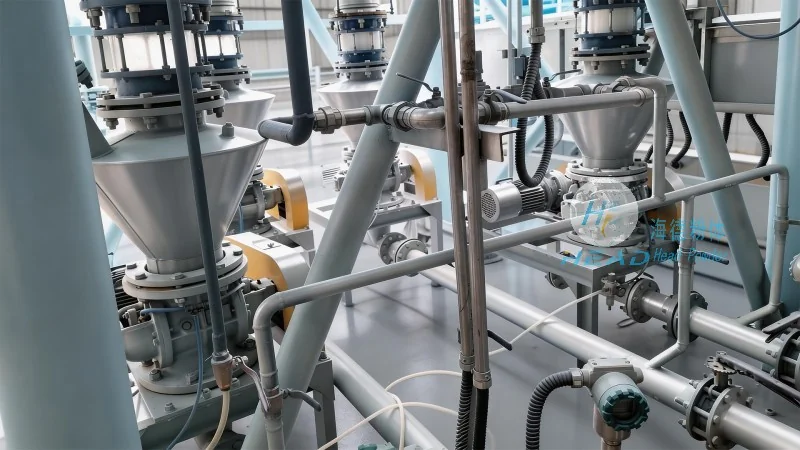
Pneumatic conveying systems for alumina materials operate based on the principle of using air to move solid particles through a pipeline. There are two primary types of systems: positive pressure and negative pressure. Positive pressure systems, also known as pressure conveying, use compressed air to push the material through the pipeline. This method is suitable for long-distance transport and can handle abrasive materials like alumina effectively. The system typically includes a material feeder, a pressure vessel, and a pipeline network. The compressed air is introduced at the feeder, creating a pressure differential that propels the alumina particles forward. The air velocity and pressure are carefully controlled to prevent particle segregation and ensure smooth flow. Negative pressure systems, or vacuum conveying, draw material and air from the source using a vacuum at the discharge end. This approach is ideal for short-distance transport and applications where dust containment is critical. The system consists of a vacuum pump, a material hopper, and a pipeline that connects to the processing equipment. The vacuum creates a suction force that pulls the alumina particles into the pipeline, maintaining a consistent flow rate. For alumina, which is a fine, light powder with a density of approximately 3.9 g/cm³, the selection of system type depends on factors such as the distance between the source and destination, the required flow rate, and the need for dust control. The physical properties of alumina, including its particle size distribution (typically ranging from 10 to 200 microns) and moisture content, directly impact the system's performance. Proper air velocity, typically between 20 to 30 m/s for positive pressure systems, is essential to prevent particle deposition and maintain system efficiency.
Key Characteristics of Working Scenes for Alumina Pneumatic Conveying
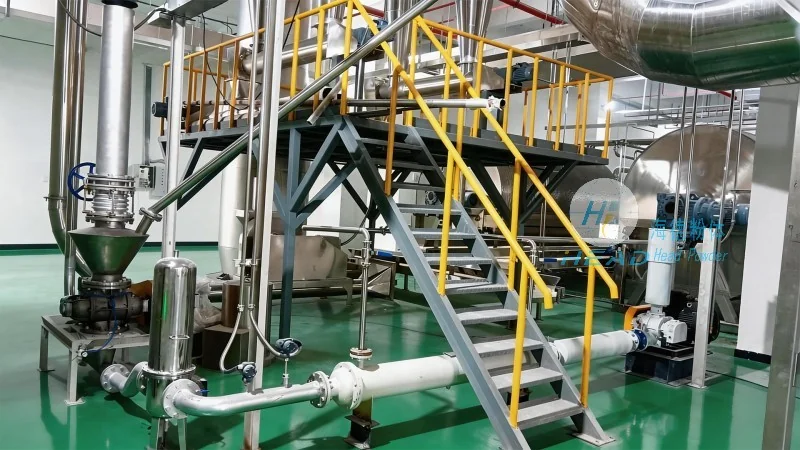
The operational environments for alumina pneumatic conveying systems are diverse and influenced by the specific industrial application. In aluminum smelting plants, the systems are integral to the production process, transporting raw alumina from storage silos to the electrolytic cells where it is converted into aluminum metal. The working scene in this context involves high-volume, continuous operation with strict control over temperature and humidity to prevent material caking or degradation. The systems must handle large quantities of alumina, often exceeding 100 tons per hour, and operate under high-pressure conditions to ensure reliable transport. In chemical processing facilities, alumina is used as a filler or catalyst in various products, such as paints, plastics, and ceramics. The working environment here requires more precise control over particle size and flow consistency, as the final product quality depends on the uniformity of the alumina particles. The systems may operate in environments with corrosive gases or high temperatures, necessitating the use of materials like stainless steel or special coatings for the pipeline and equipment to resist wear and corrosion. Additionally, in mining and processing operations, the systems may be deployed in harsh, dusty conditions where dust control and system maintenance are critical. The working scene may involve outdoor storage and transport, requiring the system to be robust against environmental factors like wind and moisture. The integration of dust collection systems and regular maintenance schedules is essential to prevent operational downtime and ensure compliance with environmental regulations.
About HeadPowder Engineering
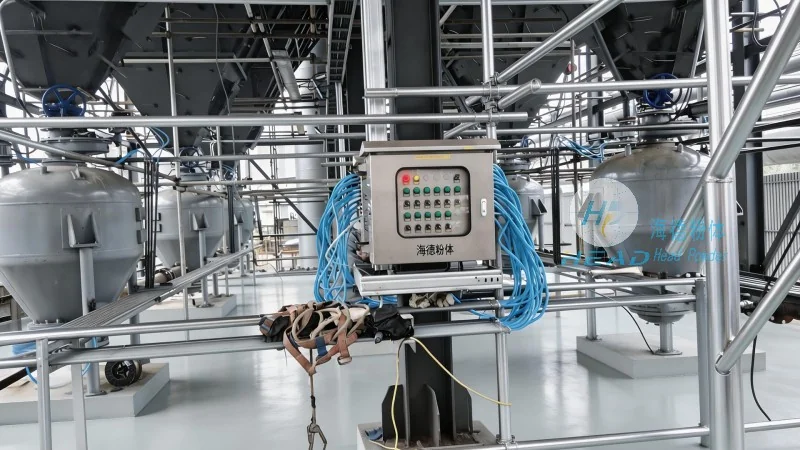
Shandong HeadPowder Engineering Co., Ltd. is a leading engineering company specializing in the design, manufacturing, and installation of advanced pneumatic conveying systems for bulk materials, with a particular focus on alumina handling. HeadPowder has established itself as a trusted partner for industries requiring efficient and reliable material transport solutions. The company's team of experienced engineers and technicians leverages cutting-edge technology and industry best practices to develop customized systems that meet the unique needs of clients. With a strong commitment to quality and innovation, HeadPowder delivers systems that enhance productivity, reduce operational costs, and ensure compliance with safety and environmental standards. The company's headquarters is located in Shandong, China, and it serves clients globally across sectors including aluminum production, chemical manufacturing, mining, and ceramics. HeadPowder's expertise in pneumatic conveying technology, combined with its customer-centric approach, has made it a preferred choice for businesses seeking to optimize their material handling processes.